











Popular
What strategies do the traitors use to manipulate the loyal players?
Who are the main characters in De Verraders Halloween and what are their roles?
How do the challenges in De Verraders Halloween impact the relationships between contestants?
What are some key moments of betrayal that occur during the show?
How do the contestants react to being accused of being a traitor?
Should I watch it?
Ask Your Own Question

What is the plot?
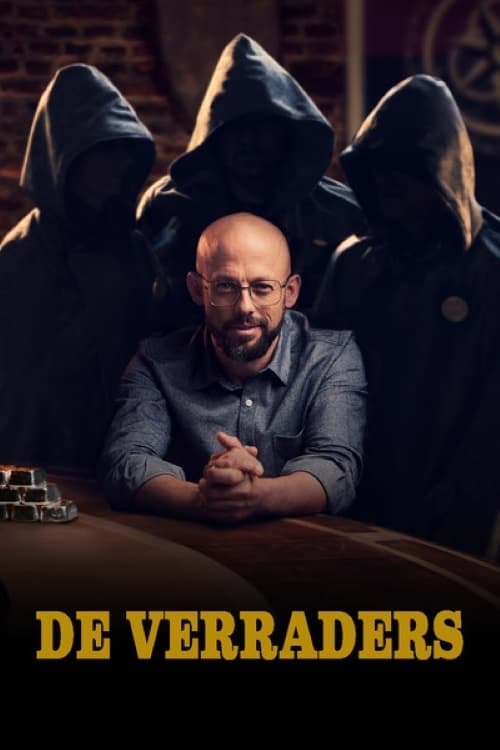
In the opening scene of "De Verraders Halloween," the contestants gather in a dimly lit, atmospheric castle, setting a suspenseful tone. The host introduces the game, explaining that among them are "traitors" who will work to eliminate the "loyals" while the loyals must figure out who the traitors are. The stakes are high, as the contestants are competing for a significant cash prize.
As the first night unfolds, the contestants engage in a dinner where they begin to form alliances and discuss their suspicions. Tension builds as the traitors, who are secretly chosen, start to strategize on how to mislead the others. The first major twist occurs when the traitors are revealed to the audience but remain hidden from the other contestants. This creates a sense of foreboding as viewers know that danger lurks among the group.
The next day, the contestants participate in a series of challenges designed to test their teamwork and problem-solving skills. The challenges are physically demanding and require collaboration, but the underlying mistrust complicates their efforts. During one challenge, a loyal contestant, feeling the pressure, begins to suspect another contestant of being a traitor, leading to heated discussions and accusations.
As the first elimination night approaches, the atmosphere becomes increasingly charged. Contestants gather in the castle's grand hall, where they must vote on who they believe is a traitor. The voting process is tense, with contestants whispering and strategizing. The first elimination occurs, and a loyal contestant is voted out, creating a ripple of anxiety among the remaining players. The eliminated contestant leaves with a mix of shock and betrayal, heightening the emotional stakes for those still in the game.
In the following days, the remaining contestants continue to navigate the challenges while grappling with their suspicions. The traitors work to sow discord among the loyals, leading to paranoia and mistrust. A pivotal moment occurs when one of the traitors, feeling the pressure, decides to reveal their identity to a loyal contestant in a bid to form an alliance. This decision creates a significant shift in the dynamics, as the loyal contestant is torn between loyalty to their group and the potential advantage of aligning with a traitor.
As the game progresses, another elimination night arrives. The loyals, now more aware of the traitors' tactics, engage in more strategic discussions. The voting process becomes even more intense, with accusations flying and alliances shifting. A second loyal contestant is eliminated, further deepening the divide and increasing the stakes for those remaining.
The tension culminates in a dramatic final challenge, where the loyals must work together to complete a task that tests their trust and communication. The traitors, meanwhile, attempt to sabotage their efforts. The challenge is fraught with emotional highs and lows, as contestants grapple with their fears of betrayal and the desire to win.
In the final elimination, the loyals manage to identify one of the traitors, leading to a climactic confrontation. The accused traitor defends themselves passionately, but the loyals are resolute in their decision. The traitor is eliminated, and the remaining contestants celebrate their victory, but the emotional toll of the game is evident on their faces.
The show concludes with a reflection on the journey, as the remaining contestants process their experiences and the relationships formed and broken throughout the game. The final scene leaves viewers with a sense of closure, but also a lingering question about trust and betrayal, encapsulating the essence of "De Verraders Halloween."








What is the ending?
In the ending of "De Verraders Halloween," the tension culminates as the remaining players confront the final betrayal. The true identities of the traitors are revealed, leading to a dramatic conclusion where alliances are tested, and the last standing players face the consequences of their choices. Ultimately, the game concludes with a shocking twist that leaves the remaining contestants grappling with the aftermath of deception and strategy.
As the final episode unfolds, the atmosphere is thick with suspense. The remaining contestants gather in a dimly lit room, the flickering candles casting eerie shadows on their faces. Each player is acutely aware that the end of the game is near, and the stakes have never been higher. The tension is palpable as they exchange wary glances, each one calculating their next move.
The host steps forward, his voice steady yet foreboding, announcing that it is time to reveal the traitors among them. The players are called one by one to share their suspicions and accusations. The air is charged with anxiety as friendships are tested and alliances are scrutinized. The first to speak is a player who has been quietly observing the dynamics throughout the game. With a shaky voice, they point fingers at another contestant, igniting a chain reaction of accusations.
As the accusations fly, the camera captures the emotional turmoil on each contestant's face. Some are defensive, their eyes darting nervously, while others appear resolute, ready to defend their honor. The host encourages them to share their reasoning, and the room erupts into chaos as players passionately defend themselves and attack others. The emotional stakes rise as personal relationships are laid bare, revealing deep-seated fears and insecurities.
In a pivotal moment, one player stands up, their voice trembling with emotion, and reveals their own identity as a traitor. Gasps fill the room as the revelation sends shockwaves through the group. The remaining players are left reeling, grappling with the betrayal from someone they trusted. The traitor explains their motivations, shedding light on the strategic choices made throughout the game. This moment of vulnerability contrasts sharply with the earlier accusations, highlighting the complexity of human relationships under pressure.
As the dust settles, the host announces the final challenge, a test of loyalty and strategy that will determine the ultimate winner. The remaining players must work together to complete a series of tasks, but the underlying tension remains. Each player is acutely aware that one wrong move could lead to their downfall. The challenge is fraught with obstacles, and the players must navigate both the physical tasks and the emotional minefield of their relationships.
In the final moments, the players reach a breaking point. The pressure of the game, combined with the emotional weight of betrayal, leads to a dramatic confrontation. Accusations fly once more, and the players are forced to confront not only their opponents but also their own motivations and choices. The host watches intently, knowing that the outcome will not only determine the winner but also reveal the true nature of each contestant.
As the challenge concludes, the host gathers the players for the final verdict. The atmosphere is thick with anticipation as the winner is announced. The chosen contestant stands in shock, their expression a mix of disbelief and triumph. The other players react with a mixture of admiration and resentment, the emotional fallout of the game evident on their faces.
In the aftermath, the players reflect on their experiences, grappling with the lessons learned about trust, betrayal, and the complexities of human nature. The final scene captures the players as they leave the game, their expressions a blend of relief and introspection. The camera lingers on their faces, hinting at the lasting impact of the game on their lives and relationships.
In summary, the ending of "De Verraders Halloween" is a powerful exploration of betrayal, trust, and the emotional toll of competition. Each character's fate is intertwined with their choices, leaving them to confront the consequences of their actions as they step back into the real world.
Is there a post-credit scene?
In "De Verraders Halloween," there is indeed a post-credit scene that adds an intriguing layer to the narrative. After the main credits roll, the scene opens in a dimly lit room, where the atmosphere is thick with tension. The camera pans slowly across the room, revealing the remnants of the evening's challenges--candles flickering, shadows dancing on the walls, and a table scattered with cryptic notes and game pieces.
As the camera settles, we see a figure cloaked in darkness, their face obscured. They are seated at the table, methodically sorting through the notes. The sound of a clock ticking echoes in the background, heightening the suspense. The figure suddenly lifts their head, revealing a sly smile that hints at a deeper strategy at play.
In a hushed tone, they begin to speak, addressing an unseen audience. "The game is far from over," they say, their voice dripping with intrigue. "What you thought was a victory is merely the beginning." The scene cuts to a close-up of a mysterious object--a key--glinting in the candlelight, suggesting that there are hidden secrets yet to be uncovered.
The post-credit scene leaves viewers with a sense of foreboding and anticipation, hinting at future twists and the ongoing psychological battle among the contestants. It encapsulates the essence of deception and strategy that defines "De Verraders," ensuring that the audience is left pondering the implications of this revelation long after the episode concludes.
What strategies do the traitors use to manipulate the loyal players?
The traitors in De Verraders Halloween employ various strategies to manipulate the loyal players, including sowing seeds of doubt, creating false alliances, and orchestrating situations that lead to mistrust among the group. They often play on the emotions of their fellow contestants, using psychological tactics to divert attention from their own actions while casting suspicion on others.
Who are the main characters in De Verraders Halloween and what are their roles?
The main characters in De Verraders Halloween include a mix of contestants who are vying for the prize while navigating the treacherous dynamics of the game. Key figures include the strategic players who take on the roles of 'traitors' and those who are 'loyal' to the group. Each character brings their own motivations and emotional stakes, creating a tense atmosphere as alliances form and betrayals unfold.
How do the challenges in De Verraders Halloween impact the relationships between contestants?
The challenges in De Verraders Halloween serve as pivotal moments that test the relationships between contestants. As they compete in physical and mental tasks, the pressure reveals true character traits, leading to moments of camaraderie as well as conflict. Success or failure in these challenges can shift alliances, deepen rivalries, and heighten the stakes of betrayal.
What are some key moments of betrayal that occur during the show?
Key moments of betrayal in De Verraders Halloween include instances where traitors successfully eliminate loyal players under the guise of teamwork, as well as shocking reveals during elimination rounds. These betrayals are often accompanied by emotional confrontations, where feelings of shock, anger, and heartbreak are palpable, leaving lasting impacts on the dynamics of the group.
How do the contestants react to being accused of being a traitor?
When contestants are accused of being a traitor in De Verraders Halloween, their reactions vary widely, often reflecting a mix of denial, anger, and strategic counter-accusations. Some may become defensive, trying to prove their loyalty, while others may use the moment to deflect suspicion onto others. The emotional turmoil of being accused creates intense scenes filled with tension and drama.
Is this family friendly?
"De Verraders Halloween," produced in 2021, is a reality competition show that incorporates elements of strategy, deception, and psychological tension. While it is designed for a general audience, there are aspects that may not be suitable for younger viewers or those who are sensitive to certain themes.
-
Psychological Tension: The show revolves around deception and betrayal, which can create a tense atmosphere. Participants often engage in strategic manipulation, which may be unsettling for some viewers.
-
Emotional Distress: Contestants experience emotional highs and lows, including feelings of betrayal, anxiety, and stress as they navigate alliances and face eliminations.
-
Dark Themes: The Halloween theme introduces elements of suspense and fear, which may include spooky visuals or scenarios that could be frightening for children.
-
Conflict Among Contestants: There are moments of conflict and confrontation between participants, which can lead to heightened emotions and dramatic exchanges.
-
Intense Competition: The competitive nature of the show may lead to aggressive behavior or intense rivalries, which could be distressing for sensitive viewers.
Overall, while "De Verraders Halloween" is not explicitly violent or inappropriate, its themes of betrayal and psychological strategy may not be ideal for a family-friendly viewing experience.







