








Popular
What motivates the main character, Panna, throughout the series?
How does Panna's relationship with her father evolve over the course of the series?
What role does the antagonist play in Panna's journey?
What significant events lead to Panna discovering the truth about her mother's past?
How do the supporting characters influence Panna's development throughout the series?
Should I watch it?
Ask Your Own Question

What is the plot?
In the opening scenes of "Panna," we are introduced to the protagonist, a young woman named Panna, who lives in a small village. She is portrayed as a skilled and determined individual, known for her exceptional talent in archery. The story begins with Panna participating in a local archery competition, where she impresses the villagers with her accuracy and focus. However, her victory is overshadowed by the arrival of a group of bandits who disrupt the event, showcasing their power and instilling fear in the community.
Following the competition, Panna's village is attacked by the bandits, led by a ruthless leader named Karan. The bandits loot the village, and during the chaos, Panna's younger brother is captured. This event serves as a catalyst for Panna's journey, igniting her desire to rescue her brother and protect her home. She vows to confront the bandits and begins to prepare herself for the challenges ahead.
Panna seeks guidance from her mentor, an elderly archer named Guruji, who teaches her advanced techniques and the importance of strategy in combat. Under his tutelage, Panna trains rigorously, honing her skills and building her confidence. Guruji emphasizes the need for patience and precision, instilling in her the belief that she can overcome the odds stacked against her.
As Panna embarks on her quest to rescue her brother, she encounters a mysterious warrior named Arjun, who initially appears to be an enemy. After a tense confrontation, they realize they share a common goal: to defeat Karan and his bandits. Arjun becomes Panna's ally, and together they devise a plan to infiltrate the bandits' hideout. Their partnership is marked by moments of tension and camaraderie, as they learn to trust each other despite their differing backgrounds.
The duo sets out on a perilous journey to locate the bandits' lair, facing various obstacles along the way, including treacherous terrain and hostile wildlife. During their travels, Panna and Arjun share personal stories, revealing their motivations and fears. Panna's determination to save her brother drives her, while Arjun seeks redemption for his past mistakes. This bond deepens as they face challenges together, showcasing their growth as individuals and as a team.
Upon reaching the bandits' hideout, Panna and Arjun observe the camp's layout and the guards' routines. They formulate a plan to create a diversion, allowing Panna to sneak in and locate her brother. The plan unfolds with precision; Panna uses her archery skills to take out guards silently, while Arjun creates a distraction by setting fire to a nearby brush, drawing attention away from Panna's movements.
Inside the hideout, Panna finds her brother imprisoned in a makeshift cell. She quickly frees him, but their escape is thwarted when Karan discovers them. A fierce confrontation ensues, with Karan showcasing his brute strength and combat skills. Panna, fueled by desperation and love for her brother, engages in a tense battle with Karan. She uses her agility and archery skills to outmaneuver him, ultimately gaining the upper hand.
Just as Panna seems to have the advantage, Karan reveals a hidden weapon, turning the tide of the fight. In a moment of vulnerability, Panna's brother steps in to protect her, but Karan captures him again, threatening to harm him if Panna does not surrender. This moment of emotional turmoil forces Panna to make a critical decision: she must confront her fears and fight for her brother's life.
In a climactic showdown, Panna faces Karan one last time. The battle is intense, with both characters showcasing their skills. Panna's determination shines through as she recalls Guruji's teachings, using her environment to her advantage. In a final, desperate move, she shoots an arrow that strikes Karan, incapacitating him and allowing her to rescue her brother once more.
With Karan defeated, Panna and her brother escape the hideout, but the journey is not over. They must navigate back through the wilderness, evading any remaining bandits. Along the way, they encounter Arjun, who has been fighting off the remaining bandits to ensure their safe passage. Together, they make their way back to the village, where they are greeted as heroes.
The story concludes with Panna and her brother returning home, where the villagers celebrate their bravery. Panna reflects on her journey, recognizing the strength she has gained and the bonds she has formed. The final scenes depict her continuing to train with Guruji, now more confident and skilled, ready to protect her village from any future threats. The narrative closes on a hopeful note, emphasizing Panna's growth and the resilience of her community.



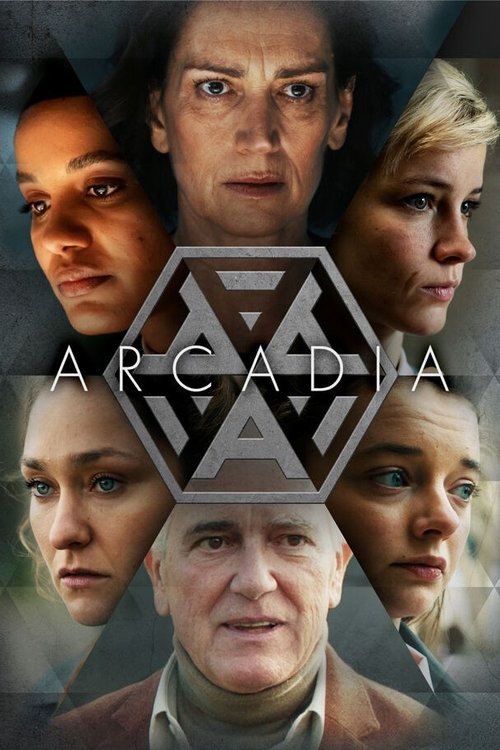





What is the ending?
In the ending of "Panna," the protagonist, a young woman named Panna, confronts her past and the choices she has made. After a series of intense confrontations and revelations, she ultimately finds a path to redemption and self-acceptance. The story concludes with Panna embracing her identity and the relationships she has forged, leaving behind the burdens of her past.
As the final episodes unfold, we see Panna standing at a crossroads, both literally and metaphorically. The scene opens with her in a dimly lit room, the weight of her decisions heavy on her shoulders. She reflects on her journey, the struggles she faced, and the people she has hurt along the way. The camera captures the flickering light from a nearby window, casting shadows that symbolize her internal conflict.
In the next scene, Panna meets with her estranged family. The atmosphere is tense, filled with unspoken words and unresolved feelings. Panna's mother, visibly emotional, confronts her about the choices that led to their separation. Panna, with tears in her eyes, expresses her regret and desire for forgiveness. The dialogue is raw and heartfelt, showcasing the depth of their relationship and the pain of their past. This moment serves as a turning point for Panna, as she begins to understand the importance of reconciliation.
Following this emotional encounter, Panna seeks out her friends, who have stood by her despite her flaws. They gather in a park, the sun setting behind them, casting a warm glow over the scene. Panna apologizes for her past actions, acknowledging the hurt she caused. Her friends, in turn, share their own struggles, creating a sense of unity and understanding. This scene emphasizes the theme of friendship and the power of support in overcoming personal demons.
As the climax approaches, Panna faces her greatest challenge: a confrontation with the antagonist who has been a source of her turmoil. The setting shifts to an abandoned warehouse, filled with echoes of their past encounters. The tension is palpable as they exchange heated words, revealing the layers of betrayal and pain. Panna, fueled by her newfound strength, stands her ground, refusing to be a victim any longer. This pivotal moment showcases her transformation from a passive character to one who actively fights for her future.
In the final scenes, Panna is seen walking away from the warehouse, the weight of her past lifting as she steps into the light. The camera follows her as she walks through the streets, a sense of determination in her stride. She reaches a bridge overlooking a river, symbolizing her transition into a new chapter of her life. Here, she takes a moment to breathe, reflecting on her journey and the lessons learned.
The series concludes with Panna surrounded by her friends and family, a sense of hope and renewal in the air. They share laughter and joy, a stark contrast to the darkness that once enveloped her life. Panna's fate is one of redemption; she has embraced her identity and the relationships that matter most to her. The final shot lingers on her smiling face, a testament to her resilience and the power of love and forgiveness.
In summary, the ending of "Panna" encapsulates the protagonist's journey towards self-acceptance and the importance of reconciling with one's past. Each character plays a crucial role in her transformation, highlighting themes of forgiveness, friendship, and the strength to overcome adversity.
Is there a post-credit scene?
In the 2021 TV show "Panna," there is indeed a post-credit scene that adds an intriguing layer to the narrative.
As the credits roll, the screen fades to black before transitioning to a dimly lit room filled with shadows. A single spotlight illuminates a table where a mysterious figure sits, their face obscured. The atmosphere is thick with tension, and the sound of a clock ticking echoes in the background, heightening the sense of anticipation.
The figure leans forward, revealing a glint of something metallic in their hand--a key. They turn it over, examining it thoughtfully, and a smirk creeps across their face. This moment is charged with a sense of foreboding, suggesting that this character holds significant secrets that could impact the main storyline.
As the camera zooms in on the key, a voice, low and gravelly, breaks the silence. "It's time to unlock the truth," they say, hinting at future revelations and conflicts that will unfold in potential subsequent seasons. The scene ends abruptly, leaving viewers with a lingering sense of curiosity and excitement about what lies ahead.
This post-credit scene effectively teases new plot developments and character arcs, ensuring that the audience is left eager for more.
What motivates the main character, Panna, throughout the series?
Panna is driven by a deep desire to uncover the truth about her family's past and the mysterious circumstances surrounding her mother's disappearance. This quest for understanding fuels her determination and shapes her interactions with other characters, as she navigates through a web of secrets and lies.
How does Panna's relationship with her father evolve over the course of the series?
Initially, Panna's relationship with her father is strained due to his secretive nature and her feelings of abandonment. As the series progresses, they confront their shared grief and misunderstandings, leading to moments of vulnerability that ultimately strengthen their bond.
What role does the antagonist play in Panna's journey?
The antagonist serves as a formidable obstacle in Panna's quest for the truth. Their motivations are rooted in a desire to protect their own secrets, which creates tension and conflict. This character's actions force Panna to confront her fears and push her to grow stronger and more resourceful.
What significant events lead to Panna discovering the truth about her mother's past?
Panna's journey is marked by a series of pivotal events, including uncovering hidden letters, encountering old friends of her mother, and piecing together fragmented memories. Each revelation brings her closer to understanding the circumstances of her mother's life and the choices that led to her disappearance.
How do the supporting characters influence Panna's development throughout the series?
Supporting characters, such as Panna's friends and mentors, play crucial roles in her development. They provide emotional support, challenge her perspectives, and offer guidance. Their diverse backgrounds and experiences enrich Panna's understanding of her own journey, helping her to grow and evolve as she faces various challenges.
Is this family friendly?
"Panna," produced in 2021, is a drama that explores complex themes and emotional narratives. While it may appeal to a wide audience, there are elements that could be considered objectionable or upsetting for children or sensitive viewers.
-
Emotional Turmoil: The characters experience significant emotional struggles, including grief, betrayal, and loss, which may be intense for younger viewers.
-
Conflict and Tension: There are scenes of interpersonal conflict that may involve shouting or aggressive behavior, which could be distressing.
-
Themes of Abandonment: The storyline includes themes of abandonment and familial strife, which could resonate negatively with sensitive individuals.
-
Dramatic Situations: Some scenes depict characters in distressing situations that may evoke feelings of anxiety or sadness.
-
Mature Relationships: The show touches on complex adult relationships, which may include romantic tension or misunderstandings that could be confusing for younger audiences.
Overall, while "Panna" offers rich storytelling and character development, its emotional depth and mature themes may not be suitable for all children or sensitive viewers.









