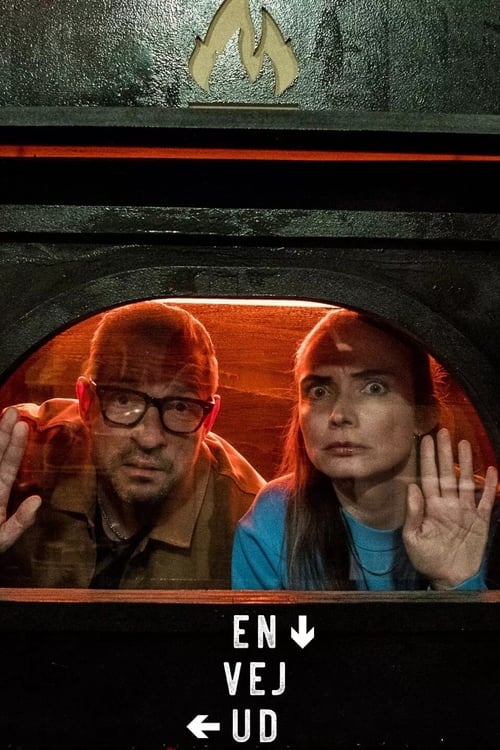




Popular
What role do secondary characters play in influencing the main character's decisions?
What pivotal moments lead to the protagonist's self-discovery?
What challenges does the main character face in their journey throughout the series?
How does the relationship between the protagonist and their family evolve over the course of the series?
How does the setting impact the protagonist's journey and emotional state?
Should I watch it?
Ask Your Own Question

What is the plot?
In the opening scenes of "En vej ud," we are introduced to the protagonist, a young man named Simon, who is struggling with the aftermath of a traumatic event that has left him feeling isolated and lost. He lives in a small, cluttered apartment filled with remnants of his past life, including photographs and mementos that serve as constant reminders of his former self. Simon's internal conflict is palpable as he grapples with feelings of guilt and despair, which are visually represented through his disheveled appearance and the dark, muted colors of his surroundings.
As the story progresses, Simon receives a phone call from his estranged father, who he has not spoken to in years. The call is tense, filled with unspoken resentment and unresolved issues. Simon's father urges him to come home for a family gathering, which Simon initially resists. However, after a moment of reflection, he decides to confront his past and agrees to attend, showcasing his desire for closure despite his fears.
The next sequence takes place at the family home, a stark contrast to Simon's apartment. The atmosphere is filled with a mix of warmth and tension as family members gather. Simon's mother is welcoming, but his father's cold demeanor creates an uncomfortable environment. During dinner, old wounds are reopened as family members discuss Simon's past decisions, leading to a heated argument between Simon and his father. This confrontation reveals deep-seated issues, including Simon's feelings of inadequacy and his father's expectations, culminating in Simon storming out of the house.
After leaving the family gathering, Simon finds himself wandering the streets, lost in thought. He encounters a group of friends from his childhood, who invite him to join them for a night out. Initially hesitant, Simon decides to join, seeking a temporary escape from his troubles. The night is filled with laughter and nostalgia, but it quickly turns sour when old rivalries and unresolved conflicts surface, leading to a physical altercation between Simon and one of his former friends. This fight serves as a catalyst for Simon to realize that he cannot run from his past and must confront his demons head-on.
In the following scenes, Simon returns to his apartment, visibly shaken from the confrontation. He begins to reflect on his life choices and the impact they have had on his relationships. This introspection is depicted through a series of flashbacks that reveal key moments from his past, including his struggles with addiction and the fallout it had on his family. The emotional weight of these memories is heavy, and Simon's internal struggle becomes increasingly evident as he battles with feelings of shame and regret.
Determined to make amends, Simon reaches out to his father once more, requesting a private meeting. The tension is palpable as they sit across from each other in a small café. Simon expresses his desire to rebuild their relationship, acknowledging the pain they have both endured. His father, initially resistant, begins to soften as Simon opens up about his struggles and the impact of their fractured relationship. This moment of vulnerability marks a turning point for both characters, as they begin to understand each other's perspectives.
As the story nears its climax, Simon decides to take a trip to a nearby coastal town, seeking solace and clarity. The serene landscape serves as a backdrop for his emotional journey, allowing him to reflect on his life choices. During this time, he meets a woman named Mia, who becomes a source of support and encouragement. Their connection deepens as they share their personal struggles, and Simon begins to see a glimmer of hope for his future.
In the final act, Simon returns home with a renewed sense of purpose. He confronts his father once again, this time with a more open heart. They engage in a heartfelt conversation, where both men express their regrets and desires for reconciliation. The emotional exchange culminates in a powerful embrace, symbolizing their commitment to healing their relationship.
The series concludes with Simon taking proactive steps towards rebuilding his life. He enrolls in a support group for addiction recovery, demonstrating his determination to confront his past and forge a new path. The final scenes depict Simon surrounded by supportive friends and family, highlighting the importance of connection and the possibility of redemption. The visual imagery shifts to brighter colors, symbolizing hope and the promise of a new beginning as Simon steps forward into his future.
More TV Shows Like This
Browse All TV Shows →









What is the ending?
In the ending of "En vej ud," the main character, a young man named Simon, confronts his past and the choices he has made. He ultimately finds a sense of closure and acceptance, leading to a new beginning in his life. The film concludes with Simon taking a step towards a brighter future, symbolizing hope and resilience.
As the final act unfolds, we find Simon standing at a crossroads, both literally and metaphorically. The scene opens with him gazing out over a vast landscape, the sun setting in the distance, casting a warm glow over the horizon. This moment is heavy with reflection; Simon is burdened by the weight of his past decisions, the mistakes that have led him to this point. His internal struggle is palpable, as he grapples with feelings of regret and the desire for redemption.
In the next scene, Simon visits his childhood home, a place filled with memories both good and bad. The camera lingers on the peeling paint and overgrown garden, symbolizing the neglect of his past. As he walks through the familiar rooms, he is flooded with memories of his family, particularly his father, whose absence has left a significant void in his life. Simon's emotional state is raw; he feels a mix of nostalgia and sorrow, realizing how much he has lost.
The narrative then shifts to a pivotal moment where Simon meets with his estranged mother. The tension is thick as they sit across from each other, the silence heavy with unspoken words. Simon's mother, visibly aged and weary, looks at him with a mixture of hope and disappointment. Their conversation is fraught with emotion, as they both confront the pain of their shared history. Simon expresses his desire to move forward, to mend their fractured relationship, and for the first time, his mother allows herself to hope for reconciliation.
As the film progresses, Simon takes a decisive step towards change. He attends a support group, where he shares his story with others who have faced similar struggles. This scene is powerful, filled with vulnerability and courage. Simon's voice trembles as he recounts his journey, and the support he receives from the group is a turning point for him. He begins to understand that he is not alone in his fight, and this realization brings a sense of relief and empowerment.
The climax of the film occurs when Simon makes a symbolic gesture of letting go. He returns to the landscape from the beginning, standing at the edge of a cliff overlooking the sea. In a moment of catharsis, he releases a handful of stones into the water, each representing a burden he has carried. As the stones sink, Simon feels a weight lift from his shoulders. The camera captures the serene beauty of the ocean, reflecting the transformation within him.
In the final scenes, we see Simon embarking on a new journey. He is shown walking down a path, the sun rising behind him, illuminating his face with a hopeful glow. This imagery signifies a new beginning, a fresh start filled with possibilities. The film closes with Simon's determined expression, embodying resilience and the promise of a brighter future.
The fates of the main characters are intertwined with Simon's journey. His mother, after their heartfelt conversation, begins to take steps towards healing, suggesting that she too is ready to confront her past. The support group members, while not the focus, are shown to be on their own paths of recovery, highlighting the theme of community and shared experiences. Simon's journey is one of personal growth, and by the end, he has not only found a way to forgive himself but also to reconnect with those he loves, setting the stage for a hopeful future.
Is there a post-credit scene?
In the TV show "En vej ud," there is no post-credit scene. The series concludes its narrative without any additional scenes after the credits roll, focusing instead on the resolution of the main storyline and character arcs. The final moments of the show encapsulate the emotional journeys of the characters, leaving viewers with a sense of closure regarding their struggles and growth throughout the series. The absence of a post-credit scene emphasizes the themes of finality and the importance of the choices made by the characters, allowing the audience to reflect on their experiences without any further distractions.
What role do secondary characters play in influencing the main character's decisions?
Secondary characters serve as both catalysts and obstacles in the protagonist's journey. Friends, mentors, and adversaries each bring unique perspectives that challenge the protagonist's worldview. For instance, a close friend offers unwavering support, while a rival embodies the societal pressures the protagonist seeks to escape, creating a dynamic interplay that shapes their choices and growth.
What pivotal moments lead to the protagonist's self-discovery?
Throughout the series, several pivotal moments catalyze the protagonist's journey of self-discovery. A confrontation with a former mentor forces them to confront their fears, while a chance encounter with a stranger offers new insights into their identity. These moments are laden with emotional weight, pushing the protagonist to reflect on their past choices and ultimately embrace their true self.
What challenges does the main character face in their journey throughout the series?
The main character, who is struggling with personal demons and societal expectations, faces numerous challenges including navigating complex relationships, dealing with past traumas, and confronting the harsh realities of their environment. Each episode reveals layers of their internal conflict, showcasing their emotional turmoil and the impact of their decisions on those around them.
How does the relationship between the protagonist and their family evolve over the course of the series?
The protagonist's relationship with their family is fraught with tension and misunderstanding. Initially, there is a significant emotional distance, stemming from past grievances and unspoken expectations. As the series progresses, pivotal moments force the protagonist to confront these issues, leading to moments of vulnerability and reconciliation, ultimately deepening their familial bonds.
How does the setting impact the protagonist's journey and emotional state?
The setting, a gritty urban landscape, mirrors the protagonist's internal struggles. The harshness of the environment amplifies feelings of isolation and despair, while moments of beauty in the city provide fleeting hope. Key locations, such as a rundown bar or a serene park, serve as backdrops for critical emotional exchanges, highlighting the contrast between the protagonist's turmoil and moments of clarity.
Is this family friendly?
"En vej ud" is a Danish drama that explores themes of family dynamics, personal struggles, and the journey towards self-discovery. While the show delves into important and relatable issues, it does contain elements that may not be suitable for all audiences, particularly children or sensitive viewers.
-
Emotional Turmoil: The characters experience significant emotional distress, including feelings of sadness, anxiety, and conflict, which may be intense for younger viewers.
-
Family Conflict: There are scenes depicting arguments and tension within the family, showcasing the struggles of communication and understanding, which could be upsetting for some.
-
Substance Use: The show touches on themes of substance use and its impact on family life, which may be concerning for younger audiences.
-
Mental Health Issues: Characters grapple with mental health challenges, including depression and existential crises, which could be distressing for sensitive viewers.
-
Loss and Grief: The narrative includes elements of loss, which may evoke strong emotional responses and could be difficult for children to process.
Overall, while "En vej ud" offers valuable insights into personal and familial challenges, its emotional depth and mature themes may not be appropriate for all viewers, particularly younger children.