
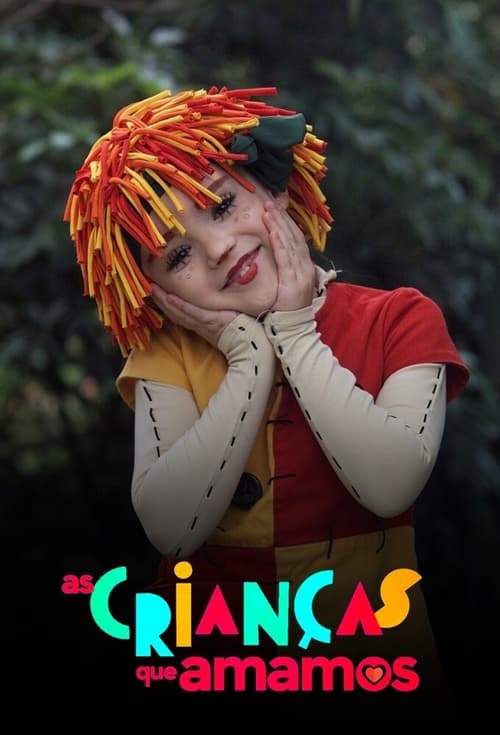














Popular
What challenges does the character Sofia face in her journey throughout the series?
How does the relationship between Miguel and Clara evolve over the course of the series?
What role does the character of Ana play in the development of the main storyline?
What significant event causes a rift between the friends in the series?
How does the theme of family influence the character development of the main cast?
Should I watch it?
Ask Your Own Question

What is the plot?
In the opening scene of "As Crianças Que Amamos," we are introduced to a small, tight-knit community in a rural area, where children play freely in the fields. The camera pans over the vibrant landscape, capturing the innocence of childhood. The main character, Clara, a bright and imaginative girl of about ten, is seen leading her friends in a game of make-believe, where they pretend to be explorers in a magical forest. Clara's enthusiasm is infectious, and her friends, including the shy but clever Miguel and the adventurous Sofia, follow her lead.
As the story progresses, we learn that Clara's family is struggling financially. Her mother, Ana, works long hours at a local factory, while her father, who is absent from the picture, is hinted to have left the family due to their dire circumstances. Clara often feels the weight of her family's struggles, which contrasts sharply with her vibrant imagination. One day, while exploring an abandoned house on the outskirts of their village, Clara discovers a hidden room filled with old toys and books. This discovery ignites her creativity, and she begins to share the stories she finds with her friends, deepening their bond.
The narrative shifts when a new family moves into the village. The arrival of the mysterious and reclusive family, led by a stern father named Roberto, creates tension among the children. Clara and her friends are both curious and wary of the newcomers. One day, while playing near the new family's home, they overhear a heated argument between Roberto and his wife, which reveals that they are dealing with their own struggles, including the loss of a child. This moment humanizes Roberto, and Clara feels a sense of empathy towards him, despite his intimidating demeanor.
As the children continue to play and explore, they stumble upon a hidden path in the woods that leads to a beautiful, secluded glade. This becomes their secret meeting place, where they share their dreams and fears. Clara proposes that they create a storybook together, using the tales from the hidden room and their own imaginations. Each child contributes their own story, and they bond over the shared experience of creating something meaningful. However, the pressures of their home lives begin to weigh heavily on them, leading to conflicts and misunderstandings.
The turning point occurs when Clara's mother falls ill, and the family faces the threat of losing their home. Clara feels helpless and desperate, leading her to confront Roberto, believing he might have the resources to help. In a tense exchange, Clara pleads for assistance, but Roberto, still grappling with his own grief, reacts harshly, pushing her away. This confrontation leaves Clara feeling more isolated, and she retreats into her imagination, where she begins to create a fantastical world that reflects her inner turmoil.
As the story unfolds, the children decide to organize a community event to raise funds for Clara's family. They work tirelessly, using their creativity to create games and performances. The event brings the village together, and for a moment, the weight of their struggles is lifted. Clara's mother, touched by the support, begins to recover, and Clara feels a renewed sense of hope. However, the event also brings to light the underlying tensions in the community, particularly between Roberto and the other villagers, who are still wary of him.
In a climactic moment, during the event, Clara's storybook is presented to the community. As she reads aloud, the emotional weight of her words resonates with everyone, including Roberto, who is visibly moved. This moment serves as a catalyst for change, as the villagers begin to see Roberto in a new light. Clara's bravery in sharing her story inspires others to open up about their own struggles, fostering a sense of unity.
The resolution comes when Clara and her friends, along with the support of the community, help Roberto confront his grief. They organize a memorial for his lost child, allowing him to find closure. In a poignant scene, Clara and Roberto share a moment of understanding, bridging the gap between their worlds. Clara's family is able to keep their home, and the community emerges stronger, having learned the importance of empathy and support.
The final scenes depict the children returning to their secret glade, where they reflect on their journey. Clara, now more confident and resilient, leads her friends in a new game, symbolizing their growth and the enduring power of friendship. The camera pulls back, showing the vibrant landscape once more, as the children laugh and play, embodying the spirit of hope and renewal.









What is the ending?
In the ending of "As Crianças Que Amamos," the main characters confront their past traumas and the impact of their childhood experiences. The story culminates in a poignant reunion where they reconcile their differences and find closure. Each character embarks on a new path, embracing hope and healing.
As the final episode unfolds, the scene opens in a sunlit park, where the group of childhood friends gathers for a reunion. The atmosphere is filled with a mix of nostalgia and tension, as unspoken words linger in the air. The camera pans over their faces, capturing the bittersweet emotions etched in their expressions.
The first character to speak is Clara, who takes a deep breath, her voice trembling slightly. She shares her struggles with the memories of their shared past, revealing how the weight of their childhood experiences has shaped her. Her vulnerability resonates with the others, prompting them to open up about their own feelings.
Next, we see Miguel, who has been distant throughout the reunion. He finally steps forward, his eyes glistening with unshed tears. He admits to feeling lost and disconnected, haunted by the choices he made as a child. His confession serves as a catalyst for the group, encouraging them to confront their own demons.
As the conversation deepens, the camera shifts to Sofia, who has been quietly observing. She shares a heartfelt story about a moment from their childhood that still brings her joy, reminding everyone of the bond they once shared. Her words act as a bridge, reconnecting the group and allowing them to reminisce about the happier times.
The scene transitions to a montage of flashbacks, showcasing their childhood adventures and the innocence they once had. The visuals are vibrant, filled with laughter and carefree moments, contrasting sharply with the heaviness of their current discussions.
Returning to the present, the group decides to participate in a symbolic act of closure. They gather around a tree, where they each write down their regrets and fears on pieces of paper. One by one, they share their thoughts aloud, creating a powerful moment of catharsis.
As the sun begins to set, they collectively burn the papers, watching as the flames consume their past burdens. The scene is filled with a sense of release, and the characters' faces reflect a newfound sense of peace.
In the final moments, we see each character embarking on their individual journeys. Clara decides to pursue her passion for art, using it as a means of healing. Miguel, inspired by the reunion, reaches out to his estranged family, seeking to mend broken relationships. Sofia, filled with hope, starts a community project aimed at helping children in need, channeling her experiences into something positive.
The series concludes with a wide shot of the park, now empty, symbolizing the end of one chapter and the beginning of another. The characters have faced their past, embraced their present, and are ready to step into the future, united by their shared experiences yet empowered by their individual choices.
Is there a post-credit scene?
In "As Crianças Que Amamos," there is indeed a post-credit scene that adds a poignant layer to the narrative. After the credits roll, the screen fades back in to a quiet, sunlit park where the main characters, now a few years older, gather for a reunion.
The camera pans slowly across the scene, capturing the vibrant colors of the flowers and the laughter of children playing in the background. The main characters, who have faced numerous challenges throughout the series, are seen sitting on a bench, sharing stories and reminiscing about their childhood experiences.
As they talk, the emotional weight of their past is palpable. Each character reflects on how their lives have changed, revealing their hopes and dreams for the future. One character, visibly more mature, expresses a desire to give back to the community that supported them, hinting at a new project aimed at helping other children in need.
The scene closes with a shot of the group standing together, arms around each other, as they look out at the park filled with children playing. The camera zooms out, capturing the essence of friendship, resilience, and the enduring impact of their shared experiences. The screen fades to black, leaving viewers with a sense of hope and continuity, emphasizing the theme of connection that runs throughout the series.
What challenges does the character Sofia face in her journey throughout the series?
Sofia, a central character in 'As Crianças Que Amamos', faces numerous challenges that test her resilience and determination. Throughout the series, she grapples with the emotional turmoil of her past, particularly the loss of her parents, which deeply affects her relationships with others. As she navigates her friendships and budding romance, she also confronts societal expectations and the pressure to succeed academically. Her internal struggle is palpable, as she often feels torn between her desire for independence and the need for connection, leading to moments of vulnerability and strength.
How does the relationship between Miguel and Clara evolve over the course of the series?
Miguel and Clara's relationship is a focal point of 'As Crianças Que Amamos', showcasing a complex evolution from childhood friends to romantic interests. Initially, their bond is characterized by playful banter and shared secrets, but as they face external pressures and personal growth, their dynamic shifts. Miguel's protective nature clashes with Clara's desire for autonomy, leading to misunderstandings and emotional distance. However, pivotal moments, such as shared experiences of loss and triumph, ultimately bring them closer, allowing them to confront their feelings and redefine their connection.
What role does the character of Ana play in the development of the main storyline?
Ana serves as a catalyst for change in 'As Crianças Que Amamos', influencing the main characters' arcs significantly. As a new student, her arrival disrupts the established social order, challenging the status quo among the group. Ana's bold personality and willingness to speak her mind force the other characters, particularly Sofia and Miguel, to confront their insecurities and biases. Her backstory, marked by her own struggles, adds depth to her character and creates opportunities for empathy and growth among the friends, ultimately leading to pivotal moments of reconciliation and understanding.
What significant event causes a rift between the friends in the series?
A significant event that causes a rift between the friends occurs during a school trip, where a misunderstanding escalates into a heated confrontation. Tensions rise when a secret is revealed, leading to feelings of betrayal and anger among the group. This incident not only strains the friendships but also forces each character to reflect on their actions and motivations. The emotional fallout is intense, with characters like Sofia feeling isolated and misunderstood, while others, like Miguel, struggle with guilt and the desire to mend the broken bonds. This pivotal moment serves as a turning point in the narrative, highlighting the fragility of their relationships.
How does the theme of family influence the character development of the main cast?
The theme of family profoundly influences the character development of the main cast in 'As Crianças Que Amamos'. Each character's background shapes their motivations and emotional responses throughout the series. For instance, Sofia's struggle with her parents' absence drives her to seek out familial connections within her friend group, often leading to moments of both strength and vulnerability. Miguel's relationship with his overbearing father creates a conflict between his aspirations and familial expectations, pushing him to assert his identity. Clara, on the other hand, finds solace in her friends as she navigates her complicated family dynamics, illustrating how the bonds of friendship can sometimes fill the void left by family.
Is this family friendly?
"As Crianças Que Amamos," produced in 2021, is a poignant exploration of family dynamics and the challenges faced by children in various circumstances. While the show is generally family-friendly, it does contain some scenes and themes that may be considered objectionable or upsetting for children or sensitive viewers.
-
Emotional Turmoil: Several characters experience deep emotional struggles, including feelings of abandonment, loss, and anxiety, which may be intense for younger viewers.
-
Conflict and Tension: There are moments of conflict between family members that can lead to heated arguments, showcasing the strain that can occur in familial relationships.
-
Themes of Loss: The show touches on themes of grief and loss, including the impact of losing a loved one, which may be difficult for children to process.
-
Bullying and Peer Pressure: Some episodes depict bullying and the pressure to fit in, which can be distressing for sensitive viewers.
-
Difficult Life Situations: Characters face challenging life situations, such as poverty or illness, which may evoke feelings of sadness or discomfort.
Overall, while the show aims to convey important messages about love and resilience, parents may want to preview episodes to gauge their appropriateness for younger audiences.









