





Popular
Who is the main antagonist in Masal Şatosu: Peri Hırsızı and what are their motivations?
What role does the character of Elif play in the story and how does she evolve throughout the season?
How does the relationship between Elif and the Fairy Thief develop over the course of the season?
What are the key challenges that Elif faces in her quest to save the fairy realm?
What is the significance of the magical artifacts introduced in the series, particularly the enchanted mirror?
Should I watch it?
Ask Your Own Question

What is the plot?
In the first episode of "Masal Şatosu: Peri Hırsızı," we are introduced to the enchanting world of the Fairy Castle, a magical realm where fairies and mythical creatures coexist. The protagonist, a young girl named Elif, is shown living in a small village on the outskirts of this magical land. Elif is curious and adventurous, often daydreaming about the wonders of the Fairy Castle. Her longing for adventure is palpable, and she feels a deep connection to the stories her grandmother used to tell her about the fairies.
One day, while exploring the woods near her village, Elif stumbles upon a hidden path that leads directly to the Fairy Castle. As she enters, she is mesmerized by the vibrant colors and the whimsical architecture of the castle. However, her awe quickly turns to concern when she witnesses a group of fairies in distress. They are gathered around their queen, who is gravely ill due to a mysterious curse that has befallen the castle. The fairies explain that the curse was cast by a dark sorcerer known as the Peri Hırsızı, who seeks to steal the magic of the fairies for himself.
Determined to help, Elif volunteers to embark on a quest to find the Peri Hırsızı and break the curse. The fairies, initially hesitant, eventually agree to assist her, providing her with a magical amulet that will guide her on her journey. Elif's resolve is strong, and she feels a sense of purpose as she sets off into the unknown.
As Elif travels deeper into the enchanted forest, she encounters various magical creatures, including a wise old owl who offers her advice and a mischievous sprite who tries to lead her astray. Each encounter tests Elif's courage and determination, revealing her inner strength and resourcefulness. She learns to trust her instincts and begins to understand the importance of friendship and teamwork.
In a pivotal moment, Elif discovers the hidden lair of the Peri Hırsızı. The lair is dark and foreboding, filled with stolen magical artifacts and remnants of the fairies' lost powers. As she sneaks inside, she overhears the Peri Hırsızı discussing his plans to unleash chaos upon the Fairy Castle. Elif's heart races as she realizes the urgency of her mission.
Elif confronts the Peri Hırsızı, who is taken aback by her bravery. A tense standoff ensues, where Elif pleads for the fairies' magic to be returned. The Peri Hırsızı, intrigued by her spirit, challenges her to a series of trials to prove her worth. Each trial is designed to test her intelligence, bravery, and compassion. Elif faces obstacles that require her to think creatively and rely on the skills she has developed throughout her journey.
After successfully completing the trials, Elif earns the respect of the Peri Hırsızı, who reveals that he was once a fairy himself, corrupted by jealousy and greed. This revelation adds depth to his character, showcasing his internal struggle. Elif, showing empathy, offers him a chance at redemption, suggesting that he can return to the light by helping her restore the fairies' magic.
In a climactic moment, the Peri Hırsızı agrees to assist Elif, and together they confront the dark forces that threaten the Fairy Castle. A fierce battle ensues, with Elif and the Peri Hırsızı working in tandem to defeat the minions of darkness. The fight is intense, filled with magical spells and dazzling displays of power. Elif's bravery shines as she stands her ground against overwhelming odds.
As the battle reaches its peak, Elif uses the magical amulet to channel the fairies' collective strength, breaking the curse that has plagued the castle. The fairies are restored to their former glory, and the Peri Hırsızı, touched by Elif's kindness, transforms back into a fairy, shedding his dark persona.
The season concludes with a celebration in the Fairy Castle, where Elif is hailed as a hero. The fairies express their gratitude, and Elif realizes that she has found her true home among them. The bonds she has formed and the lessons she has learned throughout her journey resonate deeply within her. The final scene shows Elif looking out over the enchanted landscape, filled with hope and excitement for the adventures that lie ahead.
Related Titles
Browse All Titles →

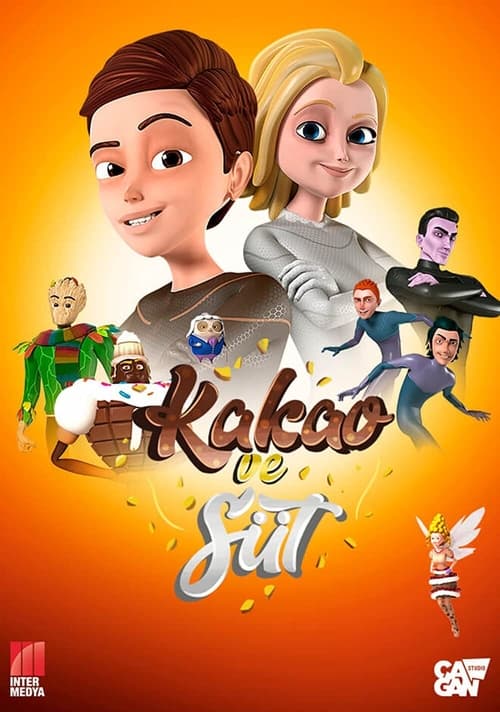
What is the ending?
In the ending of "Masal Şatosu: Peri Hırsızı," the main characters confront the antagonist, leading to a climactic resolution. The protagonist, along with their friends, manages to thwart the villain's plans, restoring peace to the magical realm. The characters find closure in their personal journeys, and the bonds they have formed throughout the season are solidified.
As the final episode unfolds, the scene opens in the heart of the enchanted castle, where the protagonist, a brave and determined young hero, stands face-to-face with the antagonist, a cunning fairy who has been stealing magic from the realm. The atmosphere is tense, filled with swirling magical energy and the echoes of past conflicts. The protagonist's heart races, fueled by a mix of fear and resolve, as they remember the friends who have supported them throughout their journey.
In a dramatic confrontation, the protagonist challenges the fairy, demanding to know why she has been stealing magic. The fairy, with a sly smile, reveals her tragic backstory--once a guardian of magic, she became embittered after losing her powers and sought to reclaim them by any means necessary. This revelation adds layers to her character, showcasing her vulnerability beneath the villainous exterior.
As the battle ensues, the protagonist's friends--each with their unique abilities--join the fray. The scene is filled with vibrant colors and dazzling spells as they work together, showcasing their growth and teamwork. The emotional stakes are high; the protagonist fights not just for the realm but for the friendships that have blossomed along the way. Each character's motivation is clear: they are not just fighting against the antagonist but also for the future they believe in.
In a pivotal moment, the protagonist recalls a lesson learned earlier in the season about the importance of compassion and understanding. Instead of delivering a final blow, they extend a hand to the fairy, offering her a chance at redemption. This act of kindness catches the fairy off guard, and for a moment, the tension dissipates. The fairy hesitates, her hardened exterior cracking as she contemplates the offer.
The climax reaches its peak as the fairy, torn between her desire for power and the possibility of forgiveness, ultimately chooses to accept the protagonist's hand. This decision leads to a surge of magic that envelops the castle, restoring balance to the realm. The fairy, now transformed, becomes a guardian once more, vowing to protect the magic she once sought to control.
As the dust settles, the protagonist and their friends stand together, united and triumphant. They share heartfelt moments, reflecting on their journey and the bonds they have forged. Each character finds closure: the protagonist embraces their role as a leader, the friends acknowledge their strengths, and the fairy, now redeemed, begins a new chapter as a protector of magic.
The final scene captures the group standing at the castle's balcony, overlooking the vibrant landscape of the magical realm. They laugh and celebrate their victory, knowing that their adventures are far from over. The camera pans out, revealing the beauty of the world they have fought to protect, leaving viewers with a sense of hope and the promise of new stories to come.
Is there a post-credit scene?
In "Masal Şatosu: Peri Hırsızı," Season 1, there is indeed a post-credit scene that adds an intriguing layer to the story.
As the credits roll, the screen fades back in to a dimly lit room within the castle, where a mysterious figure is seen poring over an ancient book filled with illustrations of magical creatures and spells. The camera zooms in on the figure, revealing a shadowy silhouette that is partially obscured by a hood. The atmosphere is thick with tension, and the flickering candlelight casts eerie shadows on the walls.
The figure turns a page, and the illustrations come to life momentarily, showcasing vibrant colors and animated movements of the creatures depicted. A soft, melodic whisper fills the air, hinting at a powerful incantation being recited. The figure's hand trembles slightly as they trace a finger over a particular illustration of a fairy, which glows faintly in response.
Suddenly, the scene shifts to a close-up of the figure's face, revealing a pair of piercing eyes filled with determination and a hint of sorrow. It becomes clear that this character is deeply connected to the events of the main story, possibly a guardian of the magical realm or a former ally of the protagonists.
As the scene concludes, the figure closes the book with a resolute snap, and the camera pulls back to show a wall lined with various artifacts and trinkets, each hinting at untold stories and adventures yet to come. The screen fades to black, leaving viewers with a sense of anticipation and curiosity about the character's intentions and their role in the unfolding narrative.
This post-credit scene effectively sets the stage for potential future conflicts and deepens the lore of the magical world, inviting the audience to ponder the connections between the characters and the mysteries that lie ahead.
Who is the main antagonist in Masal Şatosu: Peri Hırsızı and what are their motivations?
The main antagonist in Masal Şatosu: Peri Hırsızı is the character known as the Fairy Thief. Their motivations stem from a deep-seated desire to reclaim the magic that was taken from them, leading them to steal the powers of other fairies. This character is driven by a mix of vengeance and a longing for acceptance, which creates a complex emotional backdrop for their actions.
What role does the character of Elif play in the story and how does she evolve throughout the season?
Elif is a central character who begins as a curious and adventurous young girl, fascinated by the world of fairies. Throughout the season, she evolves from being naive and impulsive to becoming a more thoughtful and courageous individual. Her journey is marked by her encounters with the Fairy Thief, which challenge her understanding of good and evil, ultimately leading her to take a stand for her friends and the fairy realm.
How does the relationship between Elif and the Fairy Thief develop over the course of the season?
The relationship between Elif and the Fairy Thief is complex and evolves significantly throughout the season. Initially, Elif views the Fairy Thief as a villain, but as she learns more about the Thief's backstory and motivations, she begins to see them as a tragic figure. This shift leads to moments of empathy and conflict, culminating in a tense but pivotal confrontation where Elif must decide whether to fight against or try to understand the Thief.
What are the key challenges that Elif faces in her quest to save the fairy realm?
Elif faces several key challenges in her quest to save the fairy realm, including navigating treacherous landscapes filled with magical traps, confronting her own fears, and dealing with the betrayal of those she thought were allies. Each challenge tests her resolve and forces her to grow, as she learns to rely on her instincts and the support of her friends, ultimately shaping her into a leader.
What is the significance of the magical artifacts introduced in the series, particularly the enchanted mirror?
The enchanted mirror is a significant magical artifact in the series, serving as a symbol of truth and self-reflection. It has the power to reveal hidden truths about characters, including their fears and desires. Throughout the season, the mirror plays a crucial role in guiding Elif and other characters in their journeys, helping them confront their inner struggles and make pivotal decisions that affect the outcome of their quests.
Is this family friendly?
"Masal Şatosu: Peri Hırsızı" is generally designed to be family-friendly, appealing to a younger audience with its whimsical themes and magical elements. However, there are a few aspects that might be considered potentially objectionable or upsetting for children or sensitive viewers:
-
Mild Scares: Some scenes may include suspenseful moments or mild frightening imagery, particularly involving the antagonist and their actions, which could be unsettling for younger viewers.
-
Conflict and Tension: The narrative includes conflicts between characters, which may lead to emotional distress. Characters face challenges that evoke feelings of fear, sadness, or anxiety.
-
Thematic Elements: Themes of loss, betrayal, and the struggle between good and evil are present, which might resonate deeply with sensitive viewers.
-
Mild Violence: There may be instances of cartoonish or fantasy violence, such as magical confrontations or chase scenes, which could be alarming to some children.
-
Emotional Struggles: Characters experience moments of despair, loneliness, or frustration, which could be intense for younger audiences to process.
Overall, while the show is crafted to entertain and inspire, parents may want to preview episodes to gauge their suitability for their children.









