












Popular
What performances were featured during the Freddie Mercury Tribute Concert?
Who were the guest artists that performed at the concert?
How did the concert pay tribute to Freddie Mercury's legacy?
What was the emotional atmosphere like during the concert?
What was the significance of the concert's location and timing?
Should I watch it?
Ask Your Own Question

What is the plot?
Sorry, we aren't able to watch and write up a full detailed plot yet. Check back in a few days.
More Movies Like This
Browse All Movies →

What is the ending?
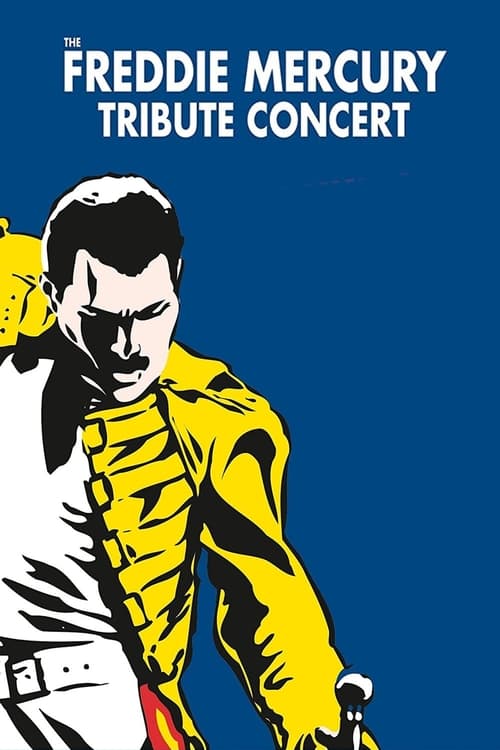
The ending of The Freddie Mercury Tribute Concert features a powerful and emotional finale where various artists come together to celebrate the life and legacy of Freddie Mercury. The concert culminates in a performance of "The Show Must Go On," followed by a rousing rendition of "We Are the Champions," with the audience singing along. The event concludes with a sense of unity and remembrance, as the performers honor Freddie's impact on music and his fight against AIDS.
As the concert progresses towards its conclusion, the atmosphere in Wembley Stadium is electric, filled with anticipation and a palpable sense of loss. The stage is set for the final performances, and the audience, a sea of faces illuminated by the lights, is ready to pay tribute to the legendary frontman of Queen.
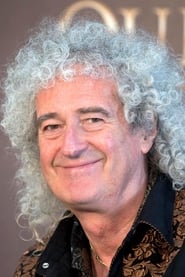
The first scene of the ending begins with the band members of Queen taking the stage, visibly emotional yet determined to honor their late friend. Brian May steps forward, his guitar in hand, and addresses the crowd, expressing gratitude for their support and the love they have shown for Freddie. The audience responds with cheers, their voices echoing in unison, creating a wave of energy that fills the stadium.
As the opening notes of "The Show Must Go On" ring out, the atmosphere shifts. The song, a poignant reflection of resilience and determination, resonates deeply with the audience. The performers, including Elton John, David Bowie, and others, join in, their voices blending harmoniously. Each note is infused with emotion, a tribute not just to Freddie's talent but to his indomitable spirit in the face of adversity. The camera captures close-ups of the artists, their expressions a mix of sorrow and celebration, as they pour their hearts into the performance.
Transitioning into the next scene, the energy builds as the song reaches its climax. The audience is on their feet, singing along, their voices rising in a collective tribute. The camera pans across the crowd, capturing the tears and smiles, the memories of Freddie flooding back to those who loved him. The sense of community is palpable, as strangers unite in their shared grief and joy.
Following "The Show Must Go On," the concert shifts into "We Are the Champions." This iconic anthem serves as a rallying cry, a celebration of triumph over struggle. The performers, now fully immersed in the moment, encourage the audience to sing along, and the stadium erupts into a chorus of voices. The scene is filled with vibrant lights and confetti, creating a festive atmosphere that contrasts with the somber reason for the gathering. The camera captures the joy on the faces of the audience, many waving their arms in unison, embodying the spirit of resilience that Freddie represented.
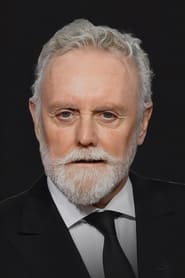
As the final notes of "We Are the Champions" fade, the concert draws to a close. The performers take a moment to reflect, standing together on stage, arms around each other, united in their grief and celebration. The camera zooms in on Brian May, who wipes away a tear, his expression a mix of sorrow and pride. Roger Taylor, visibly moved, shares a glance with his bandmates, a silent acknowledgment of their shared loss and the legacy they continue to uphold.
In the final moments, the stage is filled with performers, all of whom have come together to honor Freddie. The audience continues to cheer, their voices echoing in the night, a testament to the impact Freddie Mercury had on their lives. The concert ends with a sense of closure, yet also a promise to keep Freddie's spirit alive through music.
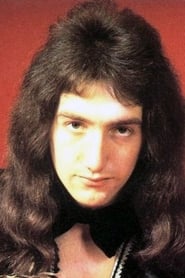
The fate of the main characters is intertwined with the emotional weight of the concert. Brian May, Roger Taylor, and John Deacon, as members of Queen, are left to carry on Freddie's legacy, their bond strengthened by the shared experience of loss. The other artists, including Elton John and David Bowie, leave the stage with a renewed sense of purpose, having contributed to a moment that transcends individual careers, uniting them in a common cause. The audience, too, departs with a sense of catharsis, having celebrated the life of a man who changed the face of music forever. The concert serves as a powerful reminder of love, loss, and the enduring impact of art.
Is there a post-credit scene?
The Freddie Mercury Tribute Concert, produced in 1992, does not have a post-credit scene. The concert itself is a powerful tribute to the legendary Queen frontman Freddie Mercury, who passed away in 1991. The event features a series of performances by various artists, celebrating Mercury's life and music.
The concert is structured around a series of iconic songs performed by Queen and other artists, including Elton John, David Bowie, and George Michael, among others. Each performance is filled with emotional resonance, as the artists pay homage to Mercury's extraordinary talent and charisma. The atmosphere is charged with a mix of celebration and mourning, as fans and performers alike reflect on the impact Mercury had on music and culture.
As the concert concludes, the audience is left with a sense of unity and remembrance, honoring not just Mercury's legacy but also the spirit of rock music that he embodied. The absence of a post-credit scene emphasizes the concert's focus on the live performances and the collective experience of those present, rather than any additional narrative or closure.
What performances were featured during the Freddie Mercury Tribute Concert?
The concert featured a variety of performances from iconic artists, including Queen's classic hits performed by various guest musicians. Notable performances included 'Bohemian Rhapsody' by Queen with guest vocalists, 'We Will Rock You' and 'Radio Ga Ga' featuring Elton John, and 'The Show Must Go On' with the collaboration of several artists.
Who were the guest artists that performed at the concert?
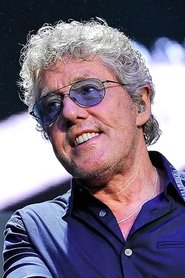
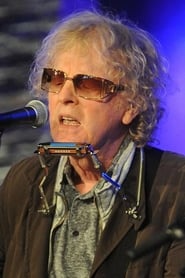
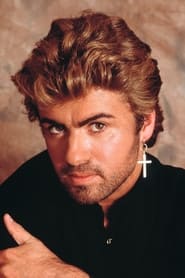
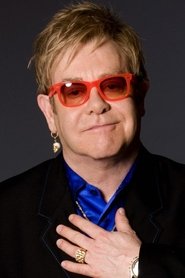
The concert showcased a star-studded lineup of guest artists, including Elton John, David Bowie, George Michael, Annie Lennox, and Roger Daltrey, among others. Each artist brought their unique style to the stage, paying tribute to Freddie Mercury and Queen's legacy.
How did the concert pay tribute to Freddie Mercury's legacy?
The concert paid tribute to Freddie Mercury by celebrating his life and music through powerful performances of Queen's songs, heartfelt speeches from friends and fellow musicians, and a poignant video montage that highlighted Mercury's career and personal struggles, emphasizing his impact on music and culture.
What was the emotional atmosphere like during the concert?
The emotional atmosphere during the concert was a mix of celebration and mourning. Fans and performers alike expressed deep feelings of loss and admiration for Freddie Mercury. The audience was often seen singing along, with moments of silence and reflection, particularly during tributes that highlighted Mercury's battle with AIDS.
What was the significance of the concert's location and timing?
The concert took place at Wembley Stadium in London on April 20, 1992, which was significant as it was a venue closely associated with Queen's history. The timing was also poignant, occurring shortly after Mercury's death in 1991, making it a crucial moment for fans to come together to honor his memory and raise awareness for AIDS research.
Is this family friendly?
The Freddie Mercury Tribute Concert, held in 1992, is a celebration of the life and music of the iconic Queen frontman, Freddie Mercury, who passed away from AIDS. While the concert itself is a tribute filled with powerful performances and emotional moments, there are a few aspects that may be considered objectionable or upsetting for children or sensitive viewers:
-
Themes of Loss and Grief: The concert is a tribute to Freddie Mercury, and the emotional weight of his absence is palpable throughout the performances. This theme may resonate deeply with those who have experienced loss.
-
AIDS Awareness: The concert raises awareness about AIDS, a disease that affected Mercury and many others. Discussions or references to the disease may be sensitive for some viewers.
-
Emotional Performances: Many performances are charged with emotion, reflecting the pain of loss and the celebration of life. This intensity may be overwhelming for younger audiences or those who are sensitive to such themes.
-
Rock and Roll Lifestyle: The concert features elements typical of rock culture, including references to partying and a lifestyle that may not align with all family values.
-
Visuals and Stage Presence: Some performances may include dramatic visuals or stage presence that could be intense or startling for younger viewers.
Overall, while the concert is a celebration of music and life, the emotional depth and themes surrounding Freddie Mercury's legacy may require parental guidance for younger audiences.








