




























Popular
How does the relationship between Alex and his mentor evolve throughout the series?
What motivates the main character, Alex, to pursue a career in statistics despite his family's expectations?
What role does the character of Lena play in Alex's personal and professional life?
What is the significance of the statistical model that Alex develops in the series?
How does the series depict the theme of failure and its impact on the characters?
Should I watch it?
Ask Your Own Question

What is the plot?
In the opening scene of "Теория вероятности," we are introduced to the protagonist, Alexei, a brilliant but disillusioned mathematician who has withdrawn from the academic world after a personal tragedy. He spends his days in a small, cluttered apartment filled with papers and mathematical equations, reflecting his obsession with probability theory. The camera pans over his notes, revealing his struggle to find meaning in his work and life.
One day, while walking through a park, Alexei encounters a group of young students engaged in a heated debate about the application of probability in real-life situations. Intrigued, he approaches them and shares his insights, which impresses the students. Among them is Daria, a passionate and ambitious student who sees potential in Alexei and encourages him to return to teaching. This interaction rekindles a spark in Alexei, and he begins to contemplate re-entering the academic world.
As Alexei grapples with his decision, he receives an unexpected visit from his estranged brother, Igor, who is in trouble with the law due to gambling debts. Igor pleads for Alexei's help, revealing that he has been using Alexei's theories to gamble, believing he can beat the odds. Torn between familial loyalty and his disdain for Igor's reckless behavior, Alexei reluctantly agrees to help him, hoping to steer him away from this destructive path.
The story takes a turn when Alexei and Igor attend a high-stakes underground poker game, where Alexei's mathematical skills are put to the test. As the game progresses, tension builds, and Alexei realizes that the stakes are much higher than he anticipated. He uses his knowledge of probability to calculate risks and make strategic decisions, but the atmosphere is charged with danger. When Igor loses a significant amount of money, the situation escalates, and they are confronted by dangerous figures in the gambling world.
In a moment of desperation, Alexei devises a plan to win back Igor's losses by challenging the game's host, a notorious gambler named Viktor, to a one-on-one match. The stakes are raised, and Alexei must rely on his mathematical prowess and intuition to navigate the psychological warfare of the game. As the match unfolds, the tension is palpable; Alexei experiences a rollercoaster of emotions, from confidence to doubt, as he faces Viktor's cunning strategies.
During the climactic poker match, Alexei employs a series of calculated bluffs and strategic plays, showcasing his deep understanding of probability. The scene is intense, with close-ups of their faces, the sweat on Alexei's brow, and the anxious glances exchanged between the players. Just when it seems that Viktor has the upper hand, Alexei makes a bold move that turns the tide in his favor, ultimately winning the game and recovering Igor's debts.
However, the victory is bittersweet. As they leave the underground venue, Alexei realizes that the thrill of gambling has only deepened Igor's addiction. In a moment of clarity, Alexei confronts Igor about his choices, leading to a heated argument that exposes their fractured relationship. Igor, feeling cornered, lashes out and storms off, leaving Alexei feeling helpless and frustrated.
In the aftermath, Alexei decides to take a different path. He reaches out to Daria and accepts her offer to teach a course on probability at the university. This decision marks a turning point for him, as he begins to find purpose in sharing his knowledge with the next generation. The classroom scenes are filled with vibrant discussions, and Alexei's passion for teaching reignites his love for mathematics.
As the series progresses, Alexei's relationship with Daria deepens, and they begin to explore their feelings for each other. However, the shadow of Igor's gambling addiction looms over Alexei, causing him to question his own choices and the impact of his theories on those around him. The emotional stakes rise as Alexei struggles to balance his personal life with his responsibilities as a teacher and brother.
In a pivotal moment, Igor returns, seeking help once more. This time, Alexei takes a firm stance, refusing to enable his brother's destructive behavior. Instead, he encourages Igor to seek professional help and confront his addiction. This confrontation is raw and emotional, showcasing the complexities of their relationship and the difficult choices that come with love and responsibility.
The series culminates in a dramatic finale where Alexei must confront his own demons. He participates in a public debate about the ethical implications of probability theory in gambling, where he faces off against Viktor, who has become a prominent figure in the gambling community. The debate is charged with tension, as Alexei articulates his beliefs while grappling with the consequences of his past decisions.
In the closing scenes, Alexei finds a sense of closure as he reconciles with his brother and embraces his role as a mentor. The final moments depict him standing in front of a classroom filled with eager students, a sense of hope and purpose radiating from him. The camera pulls back, capturing the vibrant energy of the classroom, symbolizing Alexei's journey from despair to redemption.








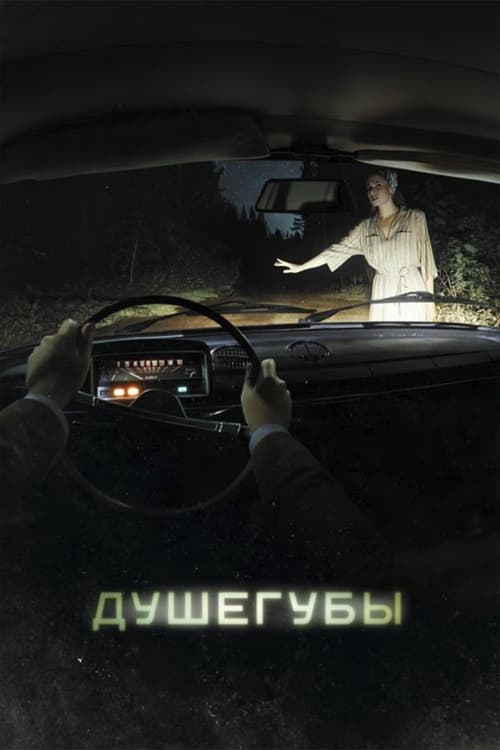
What is the ending?
In the ending of the TV show Теория вероятности, the main characters confront the consequences of their choices. The climax reveals the intertwined fates of the protagonists, leading to a resolution that emphasizes the unpredictability of life and the importance of human connection. Each character faces their own truths, leading to a bittersweet conclusion where some find closure while others are left with lingering questions.
As the final episodes unfold, we see the characters grappling with their past decisions. The tension builds as they gather for a pivotal confrontation, each carrying the weight of their experiences. The atmosphere is thick with unresolved emotions, and the stakes are high as they navigate their relationships.
In the first scene of the finale, the characters meet in a dimly lit café, a place that has been central to their interactions throughout the series. The camera pans across their faces, capturing the anxiety and anticipation in their expressions. They sit in silence, the air heavy with unspoken words. Each character reflects on their journey, the choices that brought them to this moment, and the uncertainty of what lies ahead.
As the conversation begins, old grievances surface. Tension escalates as accusations fly, revealing deep-seated resentments. One character, visibly shaken, stands up and leaves the table, prompting a ripple of concern among the others. This moment serves as a catalyst, forcing the remaining characters to confront their own roles in the conflict. The dialogue is sharp, filled with emotional weight, as they each take turns expressing their fears and regrets.
In the next scene, we see the character who left the café wandering through the streets, lost in thought. The city around them is bustling, yet they feel isolated, highlighting their internal struggle. Flashbacks intersperse this scene, showing pivotal moments from their past that shaped their current state. The visuals are poignant, contrasting the vibrancy of life outside with the character's internal turmoil.
Back at the café, the remaining characters reach a turning point. They begin to share their vulnerabilities, revealing the fears that have driven their actions. The atmosphere shifts from confrontation to understanding, as they realize the importance of empathy and connection. This scene is marked by close-ups of their faces, capturing the raw emotions as they begin to reconcile their differences.
As the finale progresses, the characters make choices that reflect their growth. One character decides to take a leap of faith, reaching out to another in a moment of vulnerability. This act of courage leads to a heartfelt exchange, where they acknowledge their past mistakes and express a desire to move forward together. The scene is filled with warmth, underscored by a soft, hopeful score that enhances the emotional resonance.
In the final moments, the characters gather once more, this time in a park, symbolizing a new beginning. They share laughter and light-hearted banter, a stark contrast to the earlier tension. The camera captures their interactions, showcasing the bonds that have been strengthened through adversity. Each character's fate is revealed: some embark on new journeys, while others choose to stay connected, embracing the unpredictability of life.
The series concludes with a wide shot of the group, framed against a sunset, symbolizing hope and the promise of new possibilities. As they walk away together, the screen fades to black, leaving the audience with a sense of closure and the understanding that while life is uncertain, the connections we forge can guide us through the chaos.
Is there a post-credit scene?
In the TV show Теория вероятности, produced in 2021, there is indeed a post-credit scene that adds an intriguing layer to the narrative.
As the credits roll, the screen fades to black before transitioning to a dimly lit room filled with scattered papers and a flickering computer screen. The camera slowly zooms in on a figure hunched over the desk, their face obscured by shadows. The atmosphere is tense, with the sound of a clock ticking ominously in the background.
The figure suddenly straightens up, revealing a familiar character from the series, Alexei. His expression is a mix of determination and anxiety. He glances around as if ensuring he is alone, then turns back to the computer. On the screen, a series of complex algorithms and probability calculations flash by, hinting at a deeper conspiracy tied to the events of the show.
As he types furiously, a notification pops up: "New data received." Alexei's eyes widen, and a flicker of hope crosses his face, quickly replaced by a look of dread as he realizes the implications of the information. The scene cuts to a close-up of his hand hovering over the keyboard, hesitating before he finally hits "Enter."
The screen goes black again, and a chilling voiceover echoes, "The odds are never in your favor." This leaves viewers with a sense of foreboding and curiosity about what Alexei has uncovered, setting the stage for potential future conflicts and revelations in the storyline. The post-credit scene effectively ties back to the show's themes of chance and consequence, leaving the audience eager for more.
How does the relationship between Alex and his mentor evolve throughout the series?
Initially, Alex views his mentor as a guiding light, someone who opens doors to the world of statistics. However, as the series progresses, their relationship becomes more complex. Alex begins to challenge his mentor's traditional views, leading to moments of tension and conflict. This evolution is marked by emotional scenes where Alex confronts his mentor about the limitations of conventional thinking, ultimately leading to a deeper understanding and mutual respect between them.
What motivates the main character, Alex, to pursue a career in statistics despite his family's expectations?
Alex's journey begins with a deep-seated desire to prove himself, not just to his family but to himself. Growing up in a family of doctors, he feels the weight of their expectations pressing down on him. His passion for statistics is ignited when he discovers the beauty of probability through a chance encounter with a mentor who introduces him to the world of data analysis. This mentor becomes a pivotal figure in Alex's life, encouraging him to embrace his unique talents and pursue a path that resonates with his true self.
What role does the character of Lena play in Alex's personal and professional life?
Lena serves as both a romantic interest and a catalyst for Alex's growth. Their relationship begins with a shared passion for data, but it quickly deepens as they face challenges together. Lena's unwavering support helps Alex navigate the pressures from his family and the academic world. However, her own ambitions create friction, leading to poignant moments where they must confront their priorities and the sacrifices they are willing to make for each other.
What is the significance of the statistical model that Alex develops in the series?
The statistical model becomes a symbol of Alex's journey and growth. It represents not only his intellectual capabilities but also his emotional struggles. As he refines the model, it parallels his personal development, showcasing his ability to overcome obstacles and embrace uncertainty. The model's eventual success serves as a turning point in the series, highlighting the theme of resilience and the importance of believing in one's own potential.
How does the series depict the theme of failure and its impact on the characters?
Failure is a recurring theme that profoundly affects the characters, particularly Alex. The series portrays his initial setbacks in competitions and projects, which lead to moments of self-doubt and introspection. These failures are depicted with raw emotional depth, showcasing Alex's vulnerability. The impact of failure is not just personal; it also strains his relationships with Lena and his mentor, forcing them to confront their own fears and insecurities. Ultimately, the series illustrates how these experiences shape their resilience and drive for success.
Is this family friendly?
The TV show Теория вероятности, produced in 2021, contains several elements that may not be suitable for children or sensitive viewers. Here are some potentially objectionable aspects:
-
Mature Themes: The show explores complex themes such as existentialism, personal loss, and the impact of choices, which may be difficult for younger audiences to fully grasp.
-
Emotional Turmoil: Characters experience significant emotional distress, including anxiety, depression, and conflict, which could be upsetting for sensitive viewers.
-
Intense Situations: There are scenes that depict high-stress situations, including arguments and confrontations that may evoke feelings of discomfort or tension.
-
Mild Language: The dialogue includes occasional strong language that may not be appropriate for younger viewers.
-
Subtle Adult Humor: Some humor may be geared towards adults, which could go over the heads of children or be inappropriate for them.
-
Complex Relationships: The portrayal of adult relationships, including romantic entanglements and betrayals, may not be suitable for younger audiences.
These elements contribute to a narrative that is more aligned with mature themes, making it less family-friendly.