

Popular
What evidence was found at the crime scene that pointed to the involvement of the main suspect?
What were the key turning points in the investigation that changed the direction of the case?
How did the relationship between the victim and the main suspect evolve throughout the investigation?
What role did the victim's family play in the investigation?
How did the media coverage affect the investigation and the characters involved?
Should I watch it?
Ask Your Own Question

What is the plot?
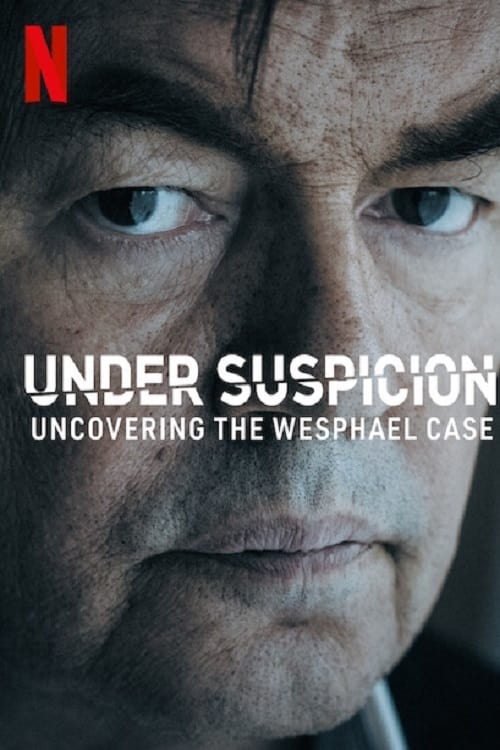
The documentary "Under Suspicion: Uncovering the Wesphael Case" begins with the introduction of the central figure, the Belgian politician, and former member of parliament, Bernard Wesphael. The narrative sets the stage for the events surrounding the mysterious death of his wife, Véronique, which occurred in October 2013. The film opens with a reenactment of the night of her death, showcasing the couple's tumultuous relationship and the events leading up to that fateful evening.
As the story unfolds, the film presents the timeline of the night Véronique died. It details how Bernard and Véronique attended a dinner party, where they appeared to be in good spirits. However, tension is palpable, hinting at underlying issues in their marriage. After the dinner, they return home, and the atmosphere shifts dramatically. The film depicts Bernard's account of the evening, where he claims that they had an argument, and he went to bed while Véronique stayed up.
The next morning, Bernard wakes up to find Véronique unresponsive in their home. The documentary captures the frantic moments as he calls emergency services, desperately trying to revive her. The scene is filled with emotional turmoil as Bernard expresses his shock and grief. The paramedics arrive, but despite their efforts, Véronique is pronounced dead at the scene. The film emphasizes the chaos and confusion surrounding the initial moments of the discovery.
Following the death, the investigation begins. The police arrive to gather evidence and interview Bernard. The film portrays the tension in the room as Bernard recounts the events leading up to Véronique's death. His demeanor is a mix of shock and anxiety, and the investigators are skeptical of his story. The documentary highlights the forensic examination of the scene, revealing that Véronique had suffered injuries that suggest foul play.
As the investigation progresses, the film delves into Bernard's background, exploring his political career and personal life. It reveals his complicated relationship with Véronique, including past incidents of domestic disputes. The documentary features interviews with friends and family, who provide insight into the couple's dynamic, painting a picture of a troubled marriage.
The narrative takes a turn when the police begin to focus on Bernard as a suspect. The film details the mounting evidence against him, including inconsistencies in his statements and the discovery of a history of violence. The emotional weight of the situation is palpable as Bernard grapples with the accusations, feeling betrayed by the very system meant to seek justice for his wife.
As the investigation continues, the film introduces key witnesses who provide conflicting accounts of the couple's relationship. Some describe Bernard as controlling and aggressive, while others portray him as a loving husband. The documentary captures the tension of these testimonies, showcasing the impact they have on the investigation and on Bernard's emotional state.
The turning point in the case comes when new forensic evidence is revealed. The film details how the analysis of Véronique's injuries suggests a struggle, leading investigators to believe that her death was not accidental. This revelation intensifies the scrutiny on Bernard, and the documentary captures the mounting pressure he faces as he fights to clear his name.
In a dramatic twist, the film presents a re-examination of the evidence, leading to the discovery of a potential alternative suspect. The narrative shifts focus as investigators explore the possibility that someone else may have been involved in Véronique's death. This development reignites hope for Bernard, but the emotional toll of the investigation continues to weigh heavily on him.
As the case unfolds, the documentary highlights the media frenzy surrounding the trial. The public's perception of Bernard shifts as new information comes to light, and the film captures the emotional rollercoaster he experiences as he navigates the court system. The courtroom scenes are tense, filled with dramatic testimonies and emotional outbursts from both the prosecution and defense.
The climax of the documentary occurs during the trial, where Bernard takes the stand to defend himself. The film portrays his emotional testimony, revealing his love for Véronique and his devastation over her death. The courtroom is charged with emotion as he pleads his innocence, and the jury is left to grapple with the conflicting evidence presented throughout the trial.
In the final act, the jury reaches a verdict. The documentary captures the moment of anticipation as the verdict is read, revealing whether Bernard is found guilty or not guilty of the charges against him. The emotional fallout from the verdict is profound, affecting not only Bernard but also the families involved and the public who followed the case.
The film concludes with reflections on the impact of the case on all parties involved. It leaves viewers with a sense of the unresolved questions surrounding Véronique's death and the complexities of the justice system. The emotional weight of the story lingers, highlighting the tragedy of a life lost and the quest for truth amidst a backdrop of suspicion and heartbreak.
More TV Shows Like This
Browse All TV Shows →





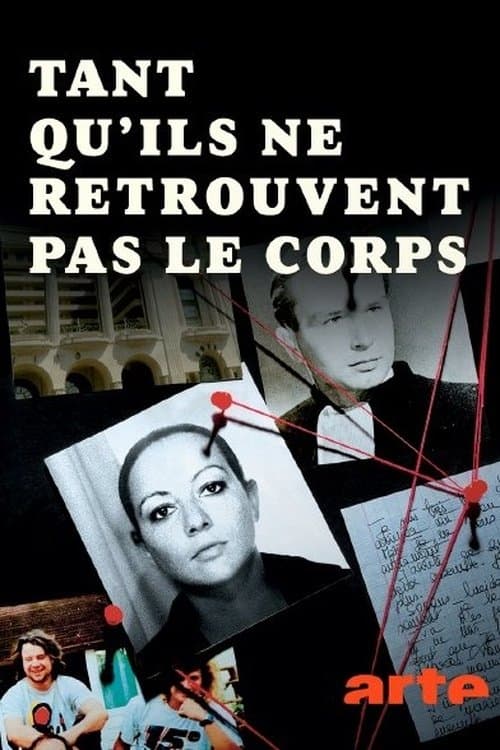
What is the ending?
In the ending of "Under Suspicion: Uncovering the Wesphael Case," the investigation into the murder of Véronique Wesphael reaches a climax as the truth about the events leading to her death is revealed. The documentary-style narrative culminates in a tense confrontation with the main suspect, who faces the consequences of their actions. The film concludes with a reflection on the impact of the case on the lives of those involved, leaving viewers with lingering questions about justice and morality.
As the final scenes unfold, the camera captures the somber atmosphere surrounding the investigation. The documentary format allows for a deep dive into the emotional turmoil experienced by the characters. The focus shifts to the main suspect, who is seen grappling with the weight of the accusations. Their internal conflict is palpable, as they navigate feelings of guilt, fear, and desperation.
In a pivotal scene, the suspect is confronted by law enforcement, leading to a tense exchange that reveals the layers of deception and betrayal that have characterized the case. The dialogue is charged with emotion, as the suspect attempts to justify their actions while the investigators press for the truth. The tension in the room is thick, and the stakes are high, as the future of the suspect hangs in the balance.
As the investigation draws to a close, the film highlights the impact of the case on the victim's family and friends. Their grief is portrayed with sensitivity, showcasing the profound loss they have endured. The emotional weight of Véronique's death resonates throughout the narrative, serving as a reminder of the human cost of violence.
In the final moments, the film leaves viewers with a sense of unresolved tension. The fate of the main suspect is left ambiguous, prompting reflection on the complexities of justice and the moral dilemmas faced by those involved. The closing scenes emphasize the lasting effects of the case on the community, as the characters grapple with their own beliefs about guilt and innocence.
Ultimately, "Under Suspicion: Uncovering the Wesphael Case" concludes with a haunting reminder of the fragility of life and the enduring quest for truth in the face of tragedy. The emotional journeys of the characters linger in the minds of the audience, inviting contemplation long after the credits roll.
Is there a post-credit scene?
"Under Suspicion: Uncovering the Wesphael Case" does not feature a post-credit scene. The documentary series concludes its narrative without additional content after the credits, focusing instead on the detailed exploration of the case and the various perspectives surrounding it. The final moments of the series encapsulate the emotional weight of the investigation and the unresolved questions that linger, leaving viewers with a sense of contemplation rather than a traditional cliffhanger or additional scene.
What evidence was found at the crime scene that pointed to the involvement of the main suspect?
At the crime scene, investigators discovered several key pieces of evidence, including a blood-stained shirt and a broken glass that suggested a struggle had taken place. The presence of the victim's personal belongings scattered around the apartment raised suspicions about the nature of the relationship between the victim and the main suspect.
What were the key turning points in the investigation that changed the direction of the case?
Several key turning points occurred during the investigation, including the discovery of new witness testimonies that contradicted the main suspect's alibi. Additionally, forensic evidence that linked the suspect to the crime scene emerged, leading to a dramatic shift in the investigation's focus and heightening the tension among the characters.
How did the relationship between the victim and the main suspect evolve throughout the investigation?
Initially, the relationship between the victim and the main suspect appeared to be one of love and trust, but as the investigation unfolded, it became clear that there were underlying tensions and secrets. The main suspect's emotional state fluctuated between grief and defensiveness, revealing a complex dynamic that hinted at deeper issues.
What role did the victim's family play in the investigation?
The victim's family was deeply affected by the tragedy, and their reactions provided crucial insights into the victim's life. They expressed anger and confusion, questioning the main suspect's involvement and revealing past conflicts that added layers to the narrative. Their emotional turmoil highlighted the impact of the crime on their lives.
How did the media coverage affect the investigation and the characters involved?
The media coverage surrounding the case was intense, creating a public spectacle that influenced the investigation. Characters felt the pressure of public opinion, which affected their emotional states and decisions. The main suspect struggled with the scrutiny, while investigators faced challenges in maintaining objectivity amidst the sensationalism.
Is this family friendly?
"Under Suspicion: Uncovering the Wesphael Case" is a true crime documentary series that delves into the complex and sensitive details surrounding a real-life murder case. Given its subject matter, it may not be considered family-friendly for younger audiences or sensitive viewers.
Potentially objectionable or upsetting aspects include:
-
Graphic Descriptions of Violence: The series discusses the murder in detail, which may include descriptions of the crime scene and the nature of the victim's injuries.
-
Emotional Distress: Interviews with family members and friends of the victim may evoke strong emotions, including grief and trauma, which could be upsetting for some viewers.
-
Legal Proceedings: The series covers the legal aspects of the case, including discussions of guilt and innocence, which may involve intense emotional exchanges and moral dilemmas.
-
Themes of Betrayal and Infidelity: The narrative explores personal relationships and betrayals, which may be uncomfortable for some viewers.
-
Depictions of Police Investigations: The investigative process may include tense moments and confrontations that could be distressing.
Overall, the series is intended for mature audiences and may not be suitable for children or those who are sensitive to themes of violence and emotional trauma.