





















Popular
What are the key events that lead to Alexander's rise to power in Yugoslavia?
How does Alexander's relationship with his family influence his decisions as a ruler?
What role do the key advisors play in Alexander's governance?
How does Alexander handle opposition from rival factions within Yugoslavia?
What are the significant turning points in Alexander's character development throughout the series?
Should I watch it?
Ask Your Own Question

What is the plot?
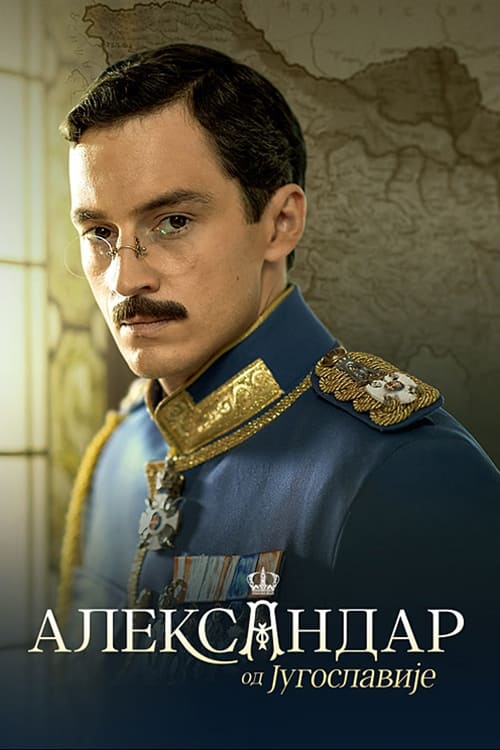
In the opening scene of "Alexandar of Yugoslavia," we are introduced to a young Alexander, the heir to the Yugoslav throne, as he plays in the royal gardens of the palace. The lush greenery and ornate fountains symbolize the wealth and power of the monarchy. However, the atmosphere is tense, as whispers of political unrest and dissatisfaction with the royal family echo in the background. Alexander's mother, Queen Maria, is seen anxiously watching over him, her face etched with worry about the future of the monarchy.
As the story progresses, we see Alexander grow into a young man, portrayed by a different actor. He is torn between his royal duties and his desire for personal freedom. A pivotal moment occurs when he meets a commoner named Milena at a local festival. Their chemistry is palpable, and they share a passionate dance under the stars, symbolizing Alexander's longing for a life outside the constraints of royalty. However, their budding romance is interrupted when royal guards arrive, reminding Alexander of his responsibilities.
The narrative shifts to a political meeting where King Peter, Alexander's father, discusses the rising tensions in the country. The king is portrayed as a stern but caring leader, worried about the growing influence of nationalist movements. He urges Alexander to take on more responsibilities, pushing him to embrace his role as a future king. This moment highlights Alexander's internal conflict, as he feels the weight of expectation pressing down on him.
In a dramatic turn of events, a coup is attempted by a faction of the military dissatisfied with the monarchy. The palace is thrown into chaos as soldiers storm the grounds. Alexander, witnessing the violence, is forced to make a quick decision. He grabs Milena, who has come to the palace seeking refuge, and they escape through a hidden passageway. The tension is palpable as they navigate the dark corridors, the sounds of gunfire echoing behind them.
Once outside, Alexander and Milena find themselves in the streets of Belgrade, where they encounter a group of protesters rallying against the monarchy. The atmosphere is charged with emotion, and Alexander is struck by the fervor of the people. He feels a deep connection to their struggles, which complicates his feelings about his royal identity. Milena encourages him to speak to the crowd, and after a moment of hesitation, he steps forward, delivering an impassioned speech that resonates with the citizens.
As the story unfolds, Alexander's relationship with Milena deepens, and they become involved in the resistance against the monarchy. They attend secret meetings, where they strategize with other dissidents. The stakes rise when they learn of a plan to assassinate King Peter. Torn between loyalty to his family and his growing commitment to the people, Alexander faces a moral dilemma. He ultimately decides to warn his father, believing that saving the king could prevent further bloodshed.
In a tense confrontation, Alexander arrives at the palace just as the assassination attempt is about to take place. He confronts the would-be assassins, leading to a chaotic struggle. The scene is filled with suspense as Alexander fights to protect his father, showcasing his bravery and determination. The fight culminates in a dramatic standoff, where Alexander manages to disarm one of the attackers, but not without sustaining injuries himself.
After the failed assassination, the political landscape shifts dramatically. King Peter, grateful for Alexander's bravery, begins to reconsider his approach to governance. He invites Alexander to join him in discussions about reforming the monarchy to address the people's grievances. This moment signifies a turning point in their relationship, as Alexander feels a sense of validation and purpose.
However, the peace is short-lived. Milena, who has been a constant source of support for Alexander, is captured by the authorities during a protest. Alexander is devastated and feels a sense of helplessness. He rallies his allies to mount a rescue operation, leading to a tense sequence where they infiltrate a government facility. The atmosphere is thick with tension as they navigate through guards and security measures, showcasing their resourcefulness and determination.
The rescue culminates in a heart-pounding confrontation where Alexander faces off against a high-ranking official responsible for Milena's capture. The fight is intense, filled with close calls and narrow escapes. Ultimately, Alexander manages to rescue Milena, but not without significant consequences. They are forced to flee the city, leaving behind their old lives.
In the final act, Alexander and Milena find refuge in a remote village, where they begin to build a new life together. However, the political situation in Yugoslavia continues to deteriorate. Alexander grapples with his identity as a royal and his commitment to the people. He receives news of a growing civil war, and the weight of his responsibilities becomes unbearable.
In a climactic moment, Alexander decides to return to Belgrade to confront the chaos head-on. He stands before the people, acknowledging his royal lineage but also expressing his commitment to reform and unity. The scene is emotionally charged, as he calls for peace and collaboration among all factions. The crowd responds with a mix of hope and skepticism, reflecting the complex emotions surrounding the monarchy.
The series concludes with Alexander standing at a crossroads, symbolizing the uncertain future of Yugoslavia. He looks out over the city, torn between his royal duties and his love for Milena, embodying the struggle for a new identity in a changing world. The final shot lingers on his face, capturing the weight of his choices and the hope for a better future.





What is the ending?
In the ending of "Alexandar of Yugoslavia," the story culminates in a poignant reflection on the legacy of the royal family amidst the backdrop of political turmoil. Alexander, having navigated the complexities of his identity and the expectations of monarchy, faces a critical moment that defines his future and the future of Yugoslavia. The series concludes with a sense of unresolved tension, as the characters grapple with their past choices and the uncertain future of their nation.
As the final episodes unfold, we see Alexander standing on the balcony of the royal palace, looking out over the city of Belgrade. The sun sets, casting a golden hue over the landscape, symbolizing both hope and the weight of history. He is joined by his mother, Queen Maria, who reflects on the sacrifices made by the family for the sake of the country. Their conversation is filled with a mix of pride and sorrow, as they acknowledge the challenges that lie ahead.
In a parallel scene, we witness the political unrest brewing in the streets below. Protesters gather, chanting for change, their faces a mix of determination and fear. This moment serves as a stark reminder of the divide between the monarchy and the people, highlighting the internal conflict within Alexander as he contemplates his role as a leader.
Meanwhile, Prince Paul, Alexander's uncle, faces his own reckoning. He is seen in a dimly lit room, surrounded by advisors, discussing the potential abdication of the throne. His internal struggle is palpable as he weighs loyalty to the family against the growing discontent among the populace. The tension in his voice reveals his fear of losing everything he has fought for, yet he knows that change is inevitable.
As the series draws to a close, we see Alexander make a pivotal decision. He steps away from the balcony, symbolizing his choice to embrace a new path for himself and his country. He gathers his closest allies, including his childhood friend, who has been a steadfast supporter throughout his journey. Together, they devise a plan to address the concerns of the people, aiming to bridge the gap between the monarchy and the citizens.
The final scene shifts back to the streets, where Alexander emerges to address the crowd. His speech is filled with sincerity and a call for unity, as he acknowledges the struggles of the past while expressing hope for a collaborative future. The crowd's reaction is mixed, with some cheering and others remaining skeptical, reflecting the complex emotions surrounding the monarchy's role in a changing society.
As the screen fades to black, the fate of each main character hangs in the balance. Alexander stands at a crossroads, poised to redefine his legacy. Queen Maria watches with a blend of pride and apprehension, while Prince Paul contemplates the consequences of his choices. The series ends on a note of uncertainty, leaving viewers to ponder the future of both the characters and the nation they represent.
Is there a post-credit scene?
In the 2021 TV show "Alexander of Yugoslavia," there is indeed a post-credit scene that adds a poignant layer to the narrative.
As the credits roll, the screen fades to black before transitioning to a dimly lit room adorned with historical photographs and artifacts from the Yugoslav monarchy. The camera slowly pans across a collection of framed images, lingering on a particularly striking portrait of King Alexander I, his expression a mix of determination and melancholy.
The scene then shifts to a close-up of a young boy, perhaps around ten years old, sitting at a wooden desk cluttered with books and papers. He is intently writing in a notebook, his brow furrowed in concentration. The boy pauses, looking up as if sensing a presence, and the camera captures a fleeting moment of wonder in his eyes.
Suddenly, the door creaks open, and an elderly man enters the room. He is dressed in a vintage suit reminiscent of the early 20th century, his face lined with the wisdom of age. The boy's eyes widen in recognition, and a smile breaks across his face. The man approaches, kneeling beside the boy, and they share a moment of silent understanding, bridging generations.
The elderly man places a hand on the boy's shoulder, and in a soft, yet firm voice, he begins to recount a story about the legacy of their family, the struggles, and the hopes for the future. The boy listens intently, his expression shifting from curiosity to inspiration, embodying the weight of history and the promise of what is to come.
As the scene fades to black, the final words of the man echo softly, "Remember, history is not just what was, but what we choose to carry forward." This moment encapsulates the themes of legacy, identity, and the enduring impact of the past on future generations, leaving viewers with a sense of hope and reflection.
What are the key events that lead to Alexander's rise to power in Yugoslavia?
The series begins with Alexander's early life, showcasing his struggles and ambitions. Key events include his strategic alliances with influential figures, his military campaigns that solidify his reputation, and the political maneuvers that allow him to ascend to the throne. Each event is depicted with rich visuals of battle scenes and court intrigues, highlighting Alexander's determination and the sacrifices he makes.
How does Alexander's relationship with his family influence his decisions as a ruler?
Alexander's relationship with his family is complex and deeply affects his rule. His bond with his mother, who instills in him a sense of duty, contrasts with his strained relationship with his father, who has different visions for the kingdom. This familial tension is portrayed through emotional confrontations and poignant flashbacks, revealing Alexander's internal conflict between personal loyalty and political ambition.
What role do the key advisors play in Alexander's governance?
The advisors in Alexander's court are pivotal to the narrative, each representing different factions and ideologies within Yugoslavia. Characters like his chief advisor, who advocates for modernization, and a traditionalist mentor create a dynamic tension that influences Alexander's policies. Their interactions are filled with heated debates and strategic discussions, showcasing the weight of their counsel on Alexander's decisions.
How does Alexander handle opposition from rival factions within Yugoslavia?
Alexander faces significant opposition from rival factions, which he navigates through a combination of diplomacy and military action. Key scenes depict tense negotiations, where he must balance threats and promises, alongside dramatic confrontations in battle. His emotional state fluctuates between confidence and vulnerability, reflecting the high stakes of maintaining unity in a divided nation.
What are the significant turning points in Alexander's character development throughout the series?
Throughout the series, significant turning points in Alexander's character include moments of betrayal, loss, and personal sacrifice. One pivotal scene involves a betrayal by a close ally, leading to a moment of introspection where Alexander questions his trust in others. These moments are visually striking, often accompanied by haunting music, emphasizing his transformation from an ambitious young leader to a more seasoned and wary ruler.
Is this family friendly?
The TV show "Alexander of Yugoslavia," produced in 2021, contains several themes and scenes that may not be suitable for children or sensitive viewers. Here are some potentially objectionable aspects:
-
Political Intrigue and Conflict: The series delves into the complex political landscape of Yugoslavia, featuring scenes of political tension, betrayal, and conflict that may be difficult for younger audiences to understand.
-
Historical Violence: There are depictions of historical events that include violence and unrest, which may be unsettling. This includes scenes of protests and military actions that reflect the turbulent history of the region.
-
Family Struggles: The show explores deep emotional themes related to family dynamics, including betrayal, loss, and the impact of political decisions on personal relationships. These themes may evoke strong emotions and could be distressing for some viewers.
-
Romantic Relationships: There are romantic subplots that may include mature themes, such as infidelity and heartbreak, which might not be appropriate for younger audiences.
-
Cultural Tensions: The series addresses ethnic and cultural tensions within Yugoslavia, which may include discussions or depictions of prejudice and discrimination.
Overall, while the show offers a rich narrative and historical context, its themes and scenes may require parental discretion for younger viewers.