

Popular
What motivates the main character, the dealer, throughout the series?
How does Léo's relationship with his family influence his decisions?
What role do Léo's friends play in his journey?
How does the setting of the urban landscape affect the story?
What are the consequences of Léo's choices on his relationships?
Should I watch it?
Ask Your Own Question

What is the plot?
The story begins with a young man named "Nico," who is deeply entrenched in the world of drug dealing. He is introduced as a charismatic yet troubled character, navigating the complexities of his life in a gritty urban environment. Nico's motivations are driven by a desire for financial stability and a sense of belonging, which he finds within the drug trade.
Nico's life takes a turn when he meets "Lila," a woman who becomes a significant figure in his life. Their relationship develops quickly, filled with passion and tension. Lila is drawn to Nico's charm but is also wary of the dangers that come with his lifestyle. As they grow closer, Lila expresses her concerns about the risks associated with Nico's dealings, but he reassures her, promising that everything will be fine.
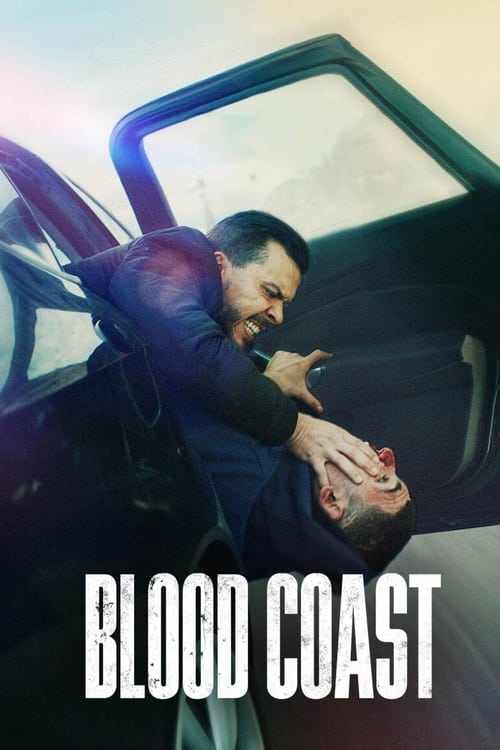
As Nico becomes more involved in the drug trade, he faces increasing pressure from rival dealers and law enforcement. A pivotal moment occurs when Nico is confronted by a rival dealer, "Marco," who threatens him and demands a larger cut of the profits. This confrontation escalates into a violent altercation, where Nico fights back fiercely, showcasing his desperation to maintain his position in the drug world. The fight leaves Nico shaken but more determined to prove himself.
In the following scenes, Nico's relationship with Lila becomes strained as she begins to see the darker side of his life. She witnesses a drug deal gone wrong, where Nico narrowly escapes a police raid. This incident heightens Lila's fears for Nico's safety and leads her to question whether she can continue to support him. Despite her concerns, Nico insists that he can handle the situation and urges her to trust him.
As the story progresses, Nico's actions lead to a series of escalating conflicts. He makes a critical decision to partner with a more dangerous gang, believing it will provide him with greater security and profits. This choice proves to be a double-edged sword, as it brings him into direct conflict with Marco and his crew. Tensions rise, and Nico finds himself in a precarious position, caught between loyalty to his new partners and the threat posed by Marco.
The climax of the story occurs during a high-stakes drug deal that goes awry. Nico, Lila, and his new partners gather at an abandoned warehouse to finalize the transaction. As the deal unfolds, Marco and his crew ambush them, leading to a chaotic shootout. Nico's instincts kick in as he fights to protect Lila and himself. The scene is intense, filled with gunfire and chaos, as Nico navigates through the warehouse, trying to find a way out while ensuring Lila's safety.
In the aftermath of the shootout, Nico is left reeling from the violence and loss. He suffers injuries and is forced to confront the reality of his choices. Lila, traumatized by the events, urges Nico to leave the drug trade behind and start anew. This moment becomes a turning point for Nico, as he grapples with his identity and the consequences of his actions.
The final scenes depict Nico's struggle to break free from the life he has built. He makes the difficult decision to sever ties with his criminal associates, including Marco. This decision is fraught with danger, as it puts him at risk of retaliation. In a tense confrontation, Nico faces Marco one last time, leading to a brutal showdown that tests his resolve and determination to protect Lila.
Ultimately, Nico's journey culminates in a bittersweet resolution. He manages to escape the clutches of the drug world, but not without significant sacrifices. The emotional weight of his choices lingers as he and Lila attempt to rebuild their lives, haunted by the shadows of their past. The story closes on a note of uncertainty, leaving viewers to ponder the lasting impact of Nico's decisions and the possibility of redemption.





What is the ending?
In the ending of "Dealer," the story culminates in a tense confrontation that leads to tragic outcomes for the main characters. The protagonist, a young dealer named "Léo," faces the consequences of his choices, leading to a violent climax that ultimately results in loss and despair.
As the narrative unfolds, we find Léo deeply entrenched in the drug trade, navigating the complexities of loyalty, betrayal, and survival. The final scenes are marked by escalating tension as Léo's relationships with his friends and associates deteriorate. The climax occurs during a drug deal gone wrong, where mistrust and desperation lead to violence. In the aftermath, Léo is left to grapple with the emotional and physical fallout of his actions, leading to a somber conclusion that reflects the harsh realities of his lifestyle.
Expanding on the ending in a chronological and narrative fashion:
The final act begins with Léo, visibly anxious, preparing for a significant drug deal that he hopes will secure his position in the underworld. The atmosphere is thick with tension as he meets with his associates, including his friend and mentor, "Momo." Momo, who has been a guiding figure for Léo, expresses concern about the risks involved, but Léo, driven by ambition and a desire for respect, brushes off the warnings.
As they arrive at the meeting point, a dimly lit warehouse, the mood shifts. The air is heavy with anticipation and unease. Léo's heart races as he exchanges nervous glances with Momo, who tries to maintain a calm demeanor. The deal begins, but it quickly becomes apparent that something is off. The buyers, a rival gang, are not who they seem, and the tension escalates as accusations fly.
In a moment of panic, Léo's instincts kick in, and he reaches for his weapon. The scene erupts into chaos as gunfire rings out, and the warehouse is filled with shouts and the sounds of struggle. Momo, trying to protect Léo, is caught in the crossfire, and Léo watches in horror as his mentor falls, mortally wounded. The emotional weight of this moment crashes down on Léo, who realizes the cost of his choices.
In the aftermath of the violence, Léo is left alone, surrounded by the remnants of the deal gone wrong. The bodies of his associates lie scattered, and the reality of his situation sinks in. He is now a fugitive, hunted by both the rival gang and law enforcement. The camera lingers on Léo's face, capturing the mix of fear, guilt, and despair that consumes him.
As he flees the scene, Léo's internal conflict is palpable. He reflects on the life he has chosen, the friends he has lost, and the dreams that have turned to ashes. The final moments of the series show Léo wandering through the streets, a shadow of the person he once was, grappling with the consequences of his actions. The screen fades to black, leaving viewers with a haunting sense of loss and the stark reality of the drug trade's impact on lives.
In summary, Léo's fate is one of isolation and regret, marked by the tragic loss of Momo and the destruction of his relationships. The ending serves as a poignant reminder of the dangers of ambition and the harsh realities faced by those involved in the drug trade.
Is there a post-credit scene?
In the 2021 TV show "Dealer," there is no post-credit scene. The series concludes its narrative without any additional scenes after the credits roll. The final moments of the show focus on the resolution of the main characters' arcs, leaving viewers with a sense of closure regarding their journeys and the consequences of their choices throughout the series. The absence of a post-credit scene emphasizes the weight of the story's conclusion, allowing the emotional impact of the finale to resonate with the audience.
What motivates the main character, the dealer, throughout the series?
The main character, a dealer named 'Léo', is driven by a complex mix of ambition, desperation, and the desire for acceptance. He navigates the dangerous world of drug dealing not only to secure financial stability but also to prove himself to his peers and to escape the shadows of his troubled past. His internal conflict is palpable as he grapples with the moral implications of his choices, often reflecting on his relationships and the impact of his actions on those around him.
How does Léo's relationship with his family influence his decisions?
Léo's relationship with his family, particularly with his estranged father, plays a crucial role in shaping his character. The tension between them is evident, as Léo seeks validation and approval from a father who disapproves of his lifestyle. This familial strain fuels Léo's reckless behavior, pushing him deeper into the drug trade as he attempts to assert his independence while simultaneously yearning for connection and understanding.
What role do Léo's friends play in his journey?
Léo's friends are both a source of support and a catalyst for his downfall. They embody the allure of the drug lifestyle, encouraging him to take risks and indulge in the thrill of the game. However, as the series progresses, their influence becomes increasingly toxic, leading Léo to confront the reality of betrayal and loyalty. The dynamics of friendship are explored deeply, showcasing how these relationships can both uplift and destroy.
How does the setting of the urban landscape affect the story?
The urban landscape serves as a character in itself, reflecting the gritty and chaotic world in which Léo operates. The dark alleys, neon-lit clubs, and abandoned buildings create a palpable sense of danger and urgency. This environment amplifies Léo's internal struggles, as he is constantly reminded of the stakes involved in his lifestyle. The setting also highlights the socio-economic issues that drive individuals into the drug trade, adding layers of complexity to the narrative.
What are the consequences of Léo's choices on his relationships?
Léo's choices have devastating consequences on his relationships, particularly with those closest to him. As he becomes more entrenched in the drug world, he alienates friends and family, leading to heartbreak and betrayal. The emotional fallout is significant, as Léo faces the repercussions of his actions, including loss, guilt, and isolation. These consequences serve as a poignant reminder of the cost of his lifestyle, forcing him to confront the reality of his decisions.
Is this family friendly?
"Dealer," produced in 2021, is not considered family-friendly. The show contains several potentially objectionable or upsetting elements that may be unsuitable for children or sensitive viewers.
-
Violence: The series features scenes of physical altercations and confrontations that can be intense and graphic, showcasing the darker side of the drug trade.
-
Drug Use: As the title suggests, the show revolves around drug dealing, and there are depictions of drug use and the consequences that come with it, which may be distressing.
-
Strong Language: The dialogue includes frequent use of profanity, which may not be appropriate for younger audiences.
-
Mature Themes: The narrative explores themes of betrayal, crime, and moral ambiguity, which can be heavy and complex, potentially unsettling for younger viewers.
-
Emotional Turmoil: Characters experience significant emotional distress, including anxiety, fear, and despair, which may resonate deeply and be upsetting for some viewers.
Overall, the content of "Dealer" is geared towards a mature audience and may not be suitable for children or those sensitive to such themes.