






























Popular
What motivates Henry Burton to join the campaign team?
How does the character of Jack Stanton handle scandals during his campaign?
What role does Susan Stanton play in Jack's campaign?
How does the character of Libby play into the campaign's dynamics?
What is the significance of the character of Richard Jemmons in the story?
Should I watch it?
Ask Your Own Question

What is the plot?
Sorry, we aren't able to watch and write up a full detailed plot yet. Check back in a few days.





What is the ending?
In the ending of "Primary Colors," Jack Stanton's campaign for the presidency faces a critical moment as he confronts the fallout from a scandal. Despite the challenges, he manages to secure the nomination. The film concludes with Jack and his team reflecting on their journey, acknowledging the complexities of politics and personal sacrifice.
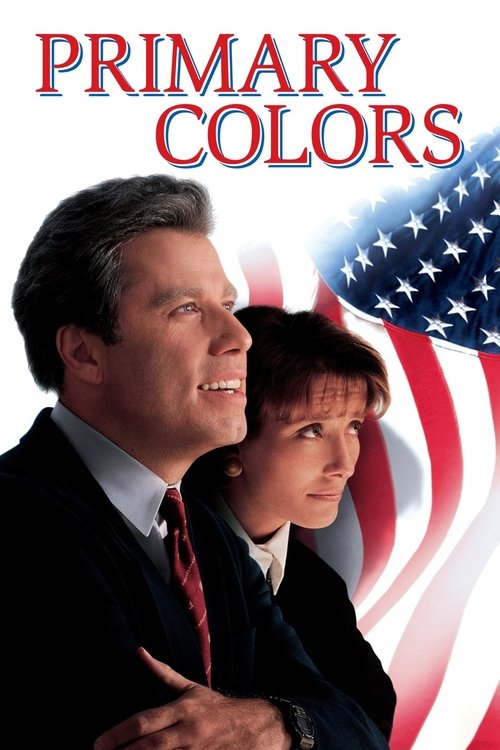
As the final act unfolds, we find ourselves in the midst of the Democratic National Convention. The atmosphere is electric, filled with anticipation and tension. Jack Stanton, played by John Travolta, stands at the center of the stage, preparing to deliver his acceptance speech. The stakes are high, as his campaign has been marred by a scandal involving his past infidelities, which has threatened to derail his presidential aspirations.
Scene by scene, the narrative unfolds with a palpable sense of urgency. Jack's campaign manager, Henry Burton, portrayed by Adrian Lester, is deeply invested in the outcome. He has witnessed the highs and lows of the campaign, and as Jack steps up to the podium, Henry's anxiety is evident. He knows that Jack's ability to connect with the audience is crucial, not just for the campaign, but for the future of their political ambitions.
As Jack begins his speech, he addresses the crowd with a mix of charisma and vulnerability. He acknowledges the mistakes he has made, not just as a candidate but as a man. The audience is captivated, and for a moment, the weight of the scandal seems to lift. Jack's sincerity resonates, and he speaks about the importance of hope, change, and the American spirit. The crowd responds with enthusiasm, cheering him on, and it becomes clear that he has managed to turn the tide in his favor.
Meanwhile, we see the reactions of other key characters. Susan Stanton, played by Emma Thompson, stands by her husband, embodying both strength and resilience. She has been a steadfast supporter throughout the campaign, and her presence at the convention symbolizes the personal sacrifices they have both made. Her emotional journey culminates in this moment, as she watches Jack reclaim his narrative.
As the speech progresses, the camera cuts to various members of the campaign team, including the cynical but loyal aide, Libby Holden, played by Kathy Bates. Libby has seen the darker sides of politics and has often questioned the integrity of their mission. Yet, in this moment, she too is swept up in the hope that Jack's words inspire. The tension of the campaign seems to dissolve, if only temporarily, as they all share in the collective dream of a better future.
The climax of the film arrives as Jack finishes his speech, and the crowd erupts in applause. It is a moment of triumph, but it is also tinged with the understanding that the journey ahead will be fraught with challenges. Jack's victory at the convention does not erase the complexities of his character or the moral ambiguities of his campaign. Instead, it highlights the duality of politics--where personal flaws can coexist with public aspirations.
As the convention wraps up, we see Jack and his team celebrating their hard-fought victory. However, the film does not shy away from the reality that the road to the presidency is still long and uncertain. Jack's fate remains intertwined with the choices he has made and the people he has affected along the way.
In the final moments, we witness a poignant exchange between Jack and Henry. They share a moment of reflection, acknowledging the sacrifices they have made and the uncertain future that lies ahead. Jack's journey is far from over, and while he has achieved a significant milestone, the complexities of his character and the political landscape remain ever-present.
The film concludes with a sense of ambiguity, leaving the audience to ponder the true cost of ambition and the nature of political life. Each character, from Jack to Susan to Henry, is left to navigate their own paths, shaped by the choices they have made and the ideals they strive to uphold. The ending encapsulates the essence of "Primary Colors," a story that delves into the heart of political ambition, personal sacrifice, and the intricate dance of morality in the pursuit of power.
Is there a post-credit scene?
The movie "Primary Colors," produced in 1998, does not have a post-credit scene. The film concludes with a powerful and reflective ending that encapsulates the journey of its characters, particularly focusing on the complexities of political ambition and personal integrity. After the main narrative wraps up, the credits roll without any additional scenes or content following them. The film leaves viewers with a sense of contemplation about the moral ambiguities of politics and the personal sacrifices made by those involved.
What motivates Henry Burton to join the campaign team?
Henry Burton, played by Adrian Lester, is initially drawn to the campaign of Jack Stanton, a charismatic Southern governor running for president. His motivation stems from a desire to make a difference and to be part of something larger than himself. As a young African American man, he is inspired by the potential for change and the hope that Stanton represents, despite the moral ambiguities he encounters.
How does the character of Jack Stanton handle scandals during his campaign?
Jack Stanton, portrayed by John Travolta, faces several scandals throughout his campaign, including allegations of infidelity and questions about his past. He navigates these challenges with a mix of charm and defiance, often using humor and charisma to deflect criticism. Stanton's ability to connect with voters on a personal level allows him to maintain support, even as he grapples with the ethical implications of his actions.
What role does Susan Stanton play in Jack's campaign?
Susan Stanton, played by Emma Thompson, is Jack's wife and a crucial part of his campaign team. She is portrayed as a strong, intelligent woman who is deeply invested in her husband's political ambitions. Throughout the film, she balances her support for Jack with her own moral compass, often confronting the darker aspects of the campaign and questioning the lengths to which they will go to win.
How does the character of Libby play into the campaign's dynamics?
Libby, played by Kathy Bates, serves as a key strategist and advisor in Jack Stanton's campaign. Her character is tough, no-nonsense, and fiercely loyal to Jack. She often acts as a voice of reason, pushing the team to stay focused on their goals while also navigating the complexities of political maneuvering. Libby's pragmatic approach contrasts with the idealism of other characters, highlighting the moral compromises inherent in political campaigns.
What is the significance of the character of Richard Jemmons in the story?
Richard Jemmons, portrayed by Billy Bob Thornton, is a rival candidate who represents a more traditional and conservative approach to politics. His character serves as a foil to Jack Stanton, highlighting the differences in their campaign strategies and personal ethics. Jemmons' aggressive tactics and willingness to exploit weaknesses in Stanton's campaign create tension and conflict, ultimately forcing Stanton to confront his own values and the nature of his political ambitions.
Is this family friendly?
"Primary Colors," produced in 1998, is a political drama that explores themes of ambition, morality, and the complexities of political life. While it offers a rich narrative, it contains several elements that may not be suitable for children or sensitive viewers.
-
Strong Language: The film features frequent use of profanity, which may be inappropriate for younger audiences.
-
Sexual Content: There are scenes that imply sexual relationships and infidelity, including discussions about sexual encounters that may be uncomfortable for some viewers.
-
Substance Use: Characters are shown drinking alcohol, and there are references to drug use, which could be concerning for younger viewers.
-
Moral Ambiguity: The film delves into the ethical dilemmas of political campaigning, showcasing manipulation and deceit, which may be confusing or upsetting for children.
-
Emotional Turmoil: Characters experience intense emotional struggles, including betrayal and personal conflict, which could be distressing for sensitive viewers.
Overall, "Primary Colors" is more suited for mature audiences due to its complex themes and adult content.







