
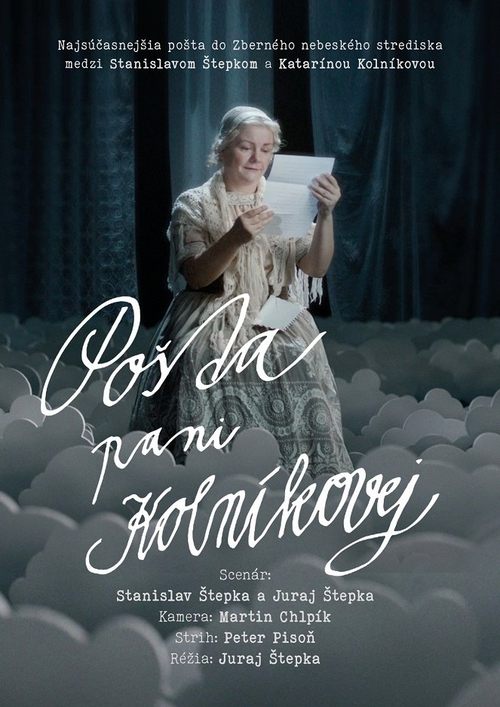




















Popular
What are the main character's motivations in Radošinská pošta?
How does the postman's relationship with the villagers evolve throughout the series?
What specific challenges does the postman face in his job?
How do the letters affect the lives of the characters in Radošinská pošta?
What role does humor play in the interactions between the postman and the villagers?
Should I watch it?
Ask Your Own Question

What is the plot?
"Radošinská pošta" begins with a vibrant scene set in the picturesque town of Radošina, where the local post office serves as a hub for the community. The postmaster, a warm-hearted and somewhat eccentric character, is introduced as he interacts with the townsfolk, delivering letters and packages while sharing snippets of gossip and local news. The post office is depicted as a place of connection, where the lives of the residents intertwine through the letters they send and receive.
As the story unfolds, we meet a diverse cast of characters, each with their own unique stories and motivations. Among them is a young woman named Mária, who has recently returned to Radošina after years of living in the city. She is portrayed as a dreamer, longing for a simpler life but struggling with the weight of her past decisions. Her return sparks curiosity and concern among the townspeople, particularly her childhood friend, who harbors feelings for her.
The narrative takes a turn when a mysterious letter arrives at the post office, addressed to an unknown recipient. The postmaster, intrigued by the letter's contents, decides to investigate its origins. This decision sets off a chain of events that leads him to uncover secrets about the town's history and its residents. The letter becomes a symbol of unresolved issues and hidden truths, prompting various characters to confront their pasts.
As the postmaster delves deeper into the mystery, he discovers that the letter is linked to a long-lost love story between two residents of Radošina. This revelation stirs emotions within the community, leading to a series of heartfelt conversations and confrontations. Characters begin to reflect on their own relationships, and the impact of the past on their present lives becomes a central theme.
Mária, feeling the weight of her own unresolved feelings, decides to write a letter to her estranged father, whom she has not spoken to in years. This act of vulnerability is a pivotal moment for her character, showcasing her desire for reconciliation and closure. The emotional turmoil she experiences is palpable, as she grapples with fear and hope simultaneously.
The postmaster, motivated by the unfolding drama, organizes a town meeting to discuss the implications of the mysterious letter and the stories it has unearthed. The meeting becomes a cathartic experience for the residents, as they share their own stories of love, loss, and regret. Tensions rise as some characters confront each other about past grievances, leading to emotional outbursts and heartfelt apologies.
In a climactic moment, Mária receives a response to her letter from her father, which she reads aloud at the town meeting. The letter reveals deep-seated emotions and regrets from her father's perspective, prompting a wave of empathy from the townsfolk. This moment serves as a turning point for Mária, as she begins to understand the complexities of familial relationships.
As the story progresses, the postmaster continues to facilitate connections among the residents, encouraging them to embrace their vulnerabilities and seek forgiveness. The atmosphere in Radošina shifts from one of secrecy and isolation to openness and community support. Characters who were once at odds begin to reconcile, and new friendships blossom.
The series culminates in a heartfelt celebration at the post office, where the townspeople come together to honor their shared experiences and the bonds they have formed. The postmaster delivers a poignant speech about the power of communication and connection, emphasizing the importance of letters in bridging gaps between people.
In the final scenes, Mária stands outside the post office, reflecting on her journey and the relationships she has rebuilt. She feels a sense of peace and belonging, having come to terms with her past. The camera pans out, capturing the vibrant life of Radošina as the sun sets, symbolizing hope and new beginnings for all the characters involved.





What is the ending?
In the ending of "Radošinská pošta," the characters confront their pasts and relationships, leading to a resolution that emphasizes the importance of connection and understanding. The final scenes depict a gathering where unresolved tensions are addressed, and characters find closure in their interactions, ultimately leading to a sense of community and reconciliation.
As the final act unfolds, the scene opens in the familiar setting of the Radošinská post office, where the characters have gathered for a special occasion. The atmosphere is charged with anticipation, as each character carries their own emotional baggage. The post office, a symbol of communication and connection, serves as the backdrop for the unfolding drama.
The first character to take center stage is Jozef, who has been grappling with feelings of regret and nostalgia. He stands at the front, looking out at his friends and neighbors, his expression a mix of determination and vulnerability. He begins to speak, reflecting on the years they have spent together, the laughter, the conflicts, and the moments that have shaped their lives. His voice trembles slightly, revealing the weight of his emotions. As he shares his memories, the camera captures the reactions of the others, their faces a tapestry of understanding and empathy.
Next, we see Mária, who has been quietly observing from the sidelines. Her internal struggle is palpable; she has often felt misunderstood and isolated. As Jozef finishes his speech, she feels compelled to share her own story. She steps forward, her hands trembling slightly as she clutches a letter she has written. The letter symbolizes her unexpressed feelings and the barriers she has faced in her relationships. As she reads aloud, her voice grows stronger, and the room falls silent, captivated by her honesty. The emotional weight of her words resonates deeply with the others, prompting a wave of shared vulnerability.
Following Mária's heartfelt revelation, the scene shifts to a more lighthearted moment. The characters begin to reminisce about their shared experiences, laughter breaking the tension that had previously filled the room. This shift in tone highlights the importance of community and the bonds that have been forged over time. The camera pans across the group, capturing smiles and nods of agreement, as they begin to reconnect on a deeper level.
As the gathering progresses, we see the character of Peter, who has been struggling with his own demons. He stands up, visibly shaken but determined to confront his past mistakes. He apologizes to those he has wronged, his voice cracking with emotion. The sincerity of his words brings a sense of catharsis to the group, and one by one, the others begin to share their own apologies and forgiveness. This moment of collective healing is powerful, as it underscores the theme of redemption and the possibility of moving forward.
The final scene culminates in a group hug, symbolizing unity and acceptance. The characters, once divided by their individual struggles, now stand together, embodying the strength of their community. The camera captures their faces, filled with relief and hope, as they embrace one another. The post office, once a place of conflict, transforms into a sanctuary of understanding and connection.
As the credits roll, we see glimpses of the characters in their everyday lives, now enriched by their experiences. Jozef is seen helping Mária with her gardening, a sign of their newfound friendship. Peter is shown volunteering at the post office, giving back to the community he once took for granted. Each character has found a path toward healing, illustrating the show's central message about the power of communication, forgiveness, and the bonds that tie us together.
Is there a post-credit scene?
In the 2022 series "Radošinská pošta," there is no post-credit scene. The show concludes its episodes without any additional content after the credits, focusing instead on the narrative and character development throughout the main storyline. Each episode wraps up its themes and character arcs, leaving viewers with a sense of closure without the need for further scenes. The emphasis remains on the heartfelt letters and the connections between characters, rather than extending the story beyond the main episodes.
What are the main character's motivations in Radošinská pošta?
The main character, who is a postman, is driven by a deep sense of duty and connection to the community he serves. His motivations are rooted in a desire to maintain relationships and deliver not just letters, but also hope and joy to the people in his village. He often reflects on the importance of communication and the emotional weight that each letter carries.
How does the postman's relationship with the villagers evolve throughout the series?
Initially, the postman is seen as a mere delivery man, but as the series progresses, he becomes a confidant and a source of support for the villagers. His interactions reveal their personal struggles and joys, leading to a deeper bond where he becomes an integral part of their lives, showcasing the impact of his role beyond just delivering mail.
What specific challenges does the postman face in his job?
Throughout the series, the postman encounters various challenges such as harsh weather conditions, difficult terrains, and the emotional burden of delivering bad news. Each challenge tests his resilience and commitment, forcing him to confront his own fears and doubts while striving to fulfill his responsibilities.
How do the letters affect the lives of the characters in Radošinská pošta?
The letters serve as a catalyst for change in the characters' lives. Each letter carries personal stories, secrets, and emotions that influence the recipients profoundly. The series illustrates how these written words can bring joy, sorrow, or even reconciliation, highlighting the power of communication in shaping relationships and personal growth.
What role does humor play in the interactions between the postman and the villagers?
Humor is a vital element in the interactions, often used to diffuse tension and create a sense of camaraderie. The postman employs wit and light-hearted banter to connect with the villagers, making their exchanges more relatable and enjoyable. This humor not only reflects the characters' personalities but also serves to strengthen their community bonds.
Is this family friendly?
"Radošinská pošta," produced in 2022, is a Slovak television series that combines elements of comedy and drama, often exploring themes of family, relationships, and societal issues. While the show is generally suitable for a wide audience, there are a few aspects that may be considered objectionable or upsetting for children or sensitive viewers:
-
Mature Themes: The series delves into complex family dynamics and personal struggles, which may include discussions of loss, betrayal, and emotional conflict that could be heavy for younger viewers.
-
Emotional Turmoil: Characters often experience intense emotional moments, including arguments, heartbreak, and moments of despair, which may be distressing for sensitive individuals.
-
Social Commentary: The show addresses societal issues that may include references to poverty, discrimination, or other challenging topics that could be difficult for children to fully understand.
-
Mild Language: There may be instances of mild profanity or strong language that could be inappropriate for younger audiences.
-
Romantic Situations: The series includes romantic relationships that may involve adult themes, which might not be suitable for children.
Overall, while "Radošinská pošta" offers valuable insights and entertainment, parental discretion is advised for younger viewers due to its emotional depth and mature themes.









