















Popular
What motivates the main character, András, throughout the series?
How does the relationship between András and his mentor, Zoltán, evolve over the series?
What role does the character of Anna play in András's journey?
What are the key turning points in András's career throughout the series?
How does the series portray the theme of power dynamics within the workplace?
Should I watch it?
Ask Your Own Question

What is the plot?
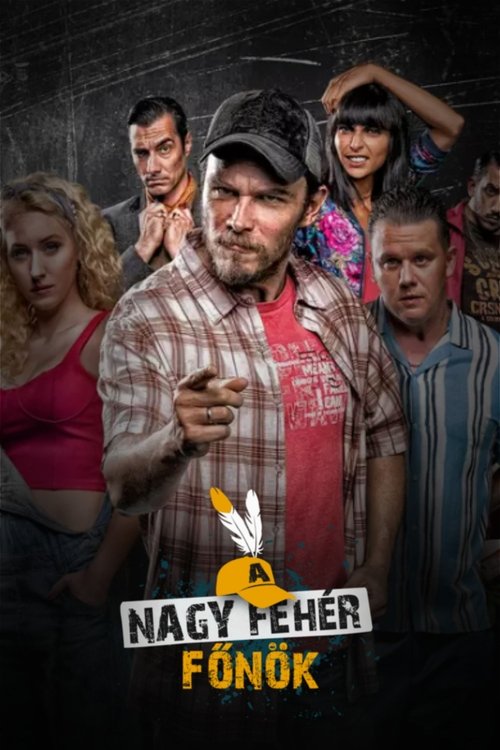
In the opening scene of "A Nagy Fehér Főnök," we are introduced to the protagonist, a middle-aged man named András, who works as a low-level employee in a large corporation. He is shown sitting at his cluttered desk, surrounded by stacks of paperwork, visibly stressed and disillusioned with his monotonous job. The camera captures his weary expression as he stares at the clock, counting down the minutes until the end of the workday. His internal struggle is palpable; he dreams of a more fulfilling life but feels trapped by his circumstances.
As the day progresses, András receives an unexpected email from his boss, the titular "Nagy Fehér Főnök," a powerful and enigmatic figure known for his ruthless business tactics. The email summons András to a meeting in the executive office. Nervously, András prepares for the encounter, his mind racing with thoughts of potential reprimands or layoffs. The scene shifts to the sleek, intimidating office where the Nagy Fehér Főnök, a tall man with a commanding presence, sits behind a large desk. He greets András with a cold smile, discussing the company's recent struggles and hinting at the need for drastic changes.
During the meeting, the Nagy Fehér Főnök reveals that he has been observing András's work and believes he has potential for greater responsibilities. He offers András a promotion, but with a catch: he must agree to implement a controversial cost-cutting strategy that involves layoffs of several colleagues. András is torn; he feels honored by the promotion but is deeply conflicted about betraying his coworkers. The internal conflict is evident on his face as he weighs the moral implications of his decision.
After a sleepless night filled with anxiety, András ultimately decides to accept the promotion, believing it to be his only chance for a better future. The next day, he meets with the Nagy Fehér Főnök to confirm his acceptance. The boss's demeanor shifts to one of approval, and he outlines the plan for the layoffs, emphasizing the need for discretion. András's heart sinks as he realizes the weight of the decision he has made, but he pushes his feelings aside, focusing on the potential benefits of his new position.
As András begins his new role, he faces immediate challenges. He is tasked with compiling a list of employees to be laid off, which forces him to confront the faces of his colleagues, many of whom he has known for years. Each name he writes down feels like a betrayal, and he struggles with guilt and shame. The emotional toll of the task begins to affect his performance, leading to tension in the office as his coworkers sense something is amiss.
In a pivotal scene, András attends a company meeting where the Nagy Fehér Főnök announces the layoffs to the entire staff. The atmosphere is tense, and András watches as his colleagues react with shock and disbelief. He feels a mix of relief and horror as he realizes he is now part of the system that has caused their pain. The camera captures the anguish on the faces of those affected, and András's internal conflict deepens as he grapples with the consequences of his choices.
As the layoffs commence, András encounters a former friend, László, who is among those being let go. László confronts András, expressing his disappointment and betrayal. This confrontation serves as a turning point for András, who is forced to confront the reality of his actions. The emotional weight of the moment is heavy, and András feels a surge of guilt that he can no longer ignore.
In the following episodes, András begins to see the repercussions of his decisions not only on his colleagues but also on his own mental health. He becomes increasingly isolated, struggling with feelings of regret and remorse. The once-promising promotion now feels like a curse, and he finds himself questioning the values he once held dear. The Nagy Fehér Főnök, sensing András's turmoil, begins to manipulate him further, pushing him to make even more ruthless decisions.
As the season progresses, András's internal struggle culminates in a dramatic confrontation with the Nagy Fehér Főnök. In a tense meeting, András confronts his boss about the unethical practices being implemented within the company. The Nagy Fehér Főnök responds with cold indifference, revealing his true nature as a power-hungry leader who will stop at nothing to achieve his goals. This confrontation serves as a catalyst for András, igniting a desire to reclaim his integrity and fight back against the oppressive corporate culture.
In the final episodes, András devises a plan to expose the Nagy Fehér Főnök's unethical practices to the public. He gathers evidence of the company's wrongdoings and reaches out to a journalist, hoping to bring the truth to light. The tension builds as András navigates the dangerous waters of corporate espionage, knowing that his actions could have severe consequences for both himself and his family.
The climax of the series occurs during a high-stakes company event where the Nagy Fehér Főnök is set to unveil a new initiative. András, armed with the evidence he has collected, confronts his boss in front of the entire company and the press. The confrontation is intense, with András passionately defending his colleagues and exposing the corruption within the organization. The Nagy Fehér Főnök attempts to discredit András, but the evidence is undeniable, leading to a dramatic fallout.
In the aftermath of the confrontation, the Nagy Fehér Főnök is forced to resign, and the company faces public backlash. András, though initially fearful of the repercussions, feels a sense of liberation as he steps away from the toxic environment. The series concludes with András reflecting on his journey, having reclaimed his values and found a renewed sense of purpose. The final scene shows him walking away from the corporate building, a look of determination on his face as he steps into an uncertain but hopeful future.








What is the ending?
In the ending of "A Nagy Fehér Főnök," the main characters confront their personal and professional dilemmas, leading to a climactic resolution that reshapes their relationships and futures. The protagonist, who has been navigating the complexities of power dynamics and personal integrity, ultimately makes a choice that defines their character arc. The story concludes with a sense of closure for some characters while leaving others with unresolved tensions.
As the final episodes unfold, the tension escalates within the corporate environment where the protagonist operates. The scene opens in a sleek, modern office, where the protagonist, visibly stressed, is preparing for a crucial meeting. The camera captures their furrowed brow and clenched fists, reflecting the weight of their responsibilities and the moral dilemmas they face.
In the meeting room, the atmosphere is thick with anticipation. Colleagues exchange nervous glances as the protagonist enters, their demeanor shifting from uncertainty to determination. The protagonist addresses the room, articulating their vision for the company's future, which includes a commitment to ethical practices and transparency. This moment is pivotal, showcasing their growth and resolve to challenge the status quo.
As the meeting progresses, tensions rise when a rival character, who has been undermining the protagonist, challenges their authority. The rival's aggressive demeanor contrasts sharply with the protagonist's calm yet assertive response. The dialogue crackles with intensity, revealing the underlying power struggle. The protagonist stands firm, advocating for a new direction that prioritizes employee welfare over profit margins.
Following the meeting, the protagonist has a heartfelt conversation with a close ally, who has been a source of support throughout their journey. This scene is intimate, set against the backdrop of a dimly lit office, where the two characters share their fears and hopes. The ally expresses concern about the potential backlash from higher-ups, but the protagonist reassures them, revealing their commitment to making a difference, regardless of the personal cost.
In the climax, the protagonist faces a critical decision when they receive an ultimatum from the company's board. They must choose between conforming to the unethical practices that have been the norm or risking their position to uphold their values. The internal conflict is palpable, and the protagonist's emotional turmoil is depicted through close-up shots of their conflicted expressions. Ultimately, they choose integrity, resigning from their position in a powerful scene that symbolizes their liberation from toxic corporate culture.
The final scenes depict the aftermath of this decision. The protagonist walks out of the office building, the sun shining brightly, symbolizing a new beginning. They are joined by their ally, who expresses admiration for their courage. Together, they discuss plans for a new venture that aligns with their values, hinting at a hopeful future.
Meanwhile, the rival character is left grappling with the fallout of their actions. The camera lingers on their frustrated expression as they realize the power they once held is slipping away. This moment serves as a stark contrast to the protagonist's liberation, highlighting the consequences of unethical behavior.
As the series concludes, the fate of each main character is revealed. The protagonist embarks on a new journey, committed to creating a more ethical workplace. The ally stands by their side, ready to support this new venture. The rival, however, faces isolation and the repercussions of their choices, leaving them to reflect on their actions in solitude.
The ending encapsulates the themes of integrity, personal growth, and the complexities of power dynamics, leaving viewers with a sense of resolution while also acknowledging the ongoing challenges that lie ahead for the characters.
Is there a post-credit scene?
In the 2022 series "A Nagy Fehér Főnök," there is indeed a post-credit scene that adds an intriguing layer to the narrative.
As the credits roll, the screen fades to black before transitioning to a dimly lit office space. The camera slowly pans across the room, revealing a large desk cluttered with papers and a single flickering lamp casting shadows on the walls. The atmosphere is tense, filled with an air of secrecy.
Suddenly, the door creaks open, and a figure steps inside. It's the character of Zoltán, the ambitious and cunning assistant who has been a pivotal player throughout the series. His expression is a mix of determination and anxiety as he glances around, ensuring he is alone.
He approaches the desk and pulls out a hidden drawer, revealing a stack of confidential documents. As he flips through them, his eyes widen in shock. The documents contain sensitive information about the company's future plans and potential betrayals among the upper management.
Just as Zoltán begins to piece together the implications of what he's discovered, a phone on the desk rings, startling him. He hesitates but answers it, his face shifting from surprise to a calculating smirk as he listens intently. The conversation is cryptic, but it's clear that Zoltán is being offered a chance to leverage this information for his own gain.
The scene ends with Zoltán's expression hardening, a mix of ambition and treachery in his eyes, hinting at the power struggles and moral dilemmas that will unfold in the next season. The screen fades to black again, leaving viewers with a sense of anticipation and intrigue about Zoltán's next move.
What motivates the main character, András, throughout the series?
András, the protagonist, is driven by a deep desire to prove himself in a corporate world that often undermines his capabilities. His internal struggle is marked by a need for validation from his peers and a longing to escape the shadow of his father's legacy. This motivation leads him to make questionable decisions that often put him at odds with his moral compass.
How does the relationship between András and his mentor, Zoltán, evolve over the series?
Initially, András views Zoltán as a guiding figure, someone who embodies the success he aspires to achieve. However, as the series progresses, their relationship becomes strained as András begins to question Zoltán's ethics and methods. This evolution is marked by moments of tension, where András confronts Zoltán about his manipulative tactics, leading to a pivotal clash that forces András to redefine his own values.
What role does the character of Anna play in András's journey?
Anna serves as both a love interest and a moral anchor for András. Her unwavering support contrasts with the cutthroat environment of the corporate world, providing András with a sense of grounding. As the series unfolds, Anna's concerns about András's choices create emotional conflict, pushing him to reflect on the consequences of his ambition and the impact it has on their relationship.
What are the key turning points in András's career throughout the series?
Several key turning points shape András's career trajectory. One significant moment occurs when he successfully pitches a groundbreaking idea, earning him recognition but also drawing the ire of his colleagues. Another pivotal event is when he uncovers unethical practices within the company, forcing him to choose between loyalty to his job and his integrity. These moments are fraught with tension, showcasing András's internal conflict and the high stakes of his decisions.
How does the series portray the theme of power dynamics within the workplace?
The series intricately weaves power dynamics into its narrative, showcasing how characters like András and Zoltán navigate the treacherous waters of corporate hierarchy. Key scenes depict boardroom confrontations, where manipulation and strategy play out, revealing the lengths to which individuals will go to maintain or gain power. This portrayal is not just about ambition; it also highlights the emotional toll these dynamics take on the characters, particularly András, who grapples with the moral implications of his actions.
Is this family friendly?
"A Nagy Fehér Főnök" is a Hungarian comedy series that explores themes of family dynamics, workplace relationships, and personal growth. While it has comedic elements, there are aspects that may not be suitable for younger audiences or sensitive viewers.
-
Mature Themes: The show delves into adult relationships and workplace politics, which may include discussions or situations that are more appropriate for older teens and adults.
-
Language: There may be instances of strong language or crude humor that could be considered inappropriate for children.
-
Conflict and Tension: The series portrays various conflicts, both in family settings and professional environments, which can lead to emotional distress or discomfort for some viewers.
-
Social Issues: The show touches on social and economic issues that might be complex or upsetting for younger audiences to fully understand.
-
Character Flaws: Characters often display morally ambiguous behavior, which could serve as a poor example for impressionable viewers.
Overall, while "A Nagy Fehér Főnök" is primarily a comedy, its themes and content may warrant caution for family viewing, especially for younger children.