







Popular
How does the character of Anna evolve throughout the series?
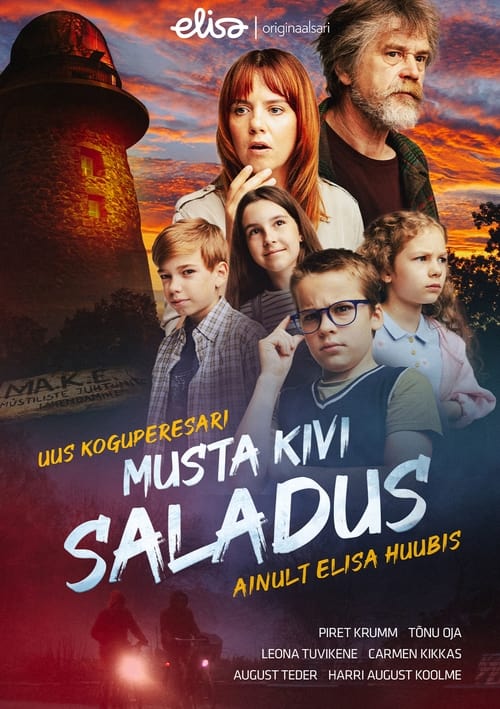
What is the significance of the black stone in the story?
What role does the village play in the characters' lives?
How does the relationship between Jaan and Liis develop throughout the series?
What are the consequences of uncovering the truth about the black stone?
Should I watch it?
Ask Your Own Question

What is the plot?
In the small Estonian village of Kivi, the story begins with a group of children discovering a mysterious black stone while playing near an old well. The stone emits a strange energy, and the children are drawn to it. Among them is a curious girl named Liis, who feels an inexplicable connection to the stone. As they play, they accidentally awaken an ancient curse tied to the stone, which begins to affect the village.
The narrative shifts to Liis's family, particularly her father, Jaan, who is a local historian. He has been researching the legends surrounding the black stone for years. One evening, he receives a visit from an enigmatic stranger named Arvo, who warns him about the dangers of the stone and its connection to the village's dark past. Jaan is skeptical but intrigued, and he decides to investigate further.
As Jaan delves deeper into the history, he uncovers a series of tragic events that have befallen the village over the centuries, all linked to the stone. He learns about a witch who was wrongfully accused and executed, her spirit believed to be trapped within the stone. This revelation heightens the tension in the village, as strange occurrences begin to escalate--crops fail, livestock go missing, and villagers report seeing ghostly apparitions.
Meanwhile, Liis and her friends, unaware of the full implications of their discovery, continue to play near the well. One night, they decide to perform a ritual they found in an old book, hoping to communicate with the spirit of the stone. As they chant, the ground shakes, and a dark figure emerges from the well, terrifying the children. They flee, but the figure follows them, causing chaos in the village.
Jaan, upon hearing the children's terrified accounts, realizes that the curse has been unleashed. He gathers the villagers to discuss the situation, but many are dismissive, believing it to be mere superstition. However, a few, including Arvo, support Jaan's belief that they must confront the curse head-on. They decide to hold a ceremony to appease the spirit of the witch and break the curse.
As preparations for the ceremony begin, tensions rise within the village. Some villagers, led by a skeptical farmer named Toomas, oppose Jaan's plan, fearing it will only provoke the spirit further. This division creates a rift in the community, with some siding with Jaan and others with Toomas. Liis, feeling responsible for the chaos, decides to take matters into her own hands and seeks out the stone again.
On the night of the ceremony, Jaan, Arvo, and a small group of villagers gather at the well. They light candles and recite incantations, hoping to calm the spirit. As they do so, the dark figure reappears, more menacing than before. The atmosphere is thick with tension as the villagers confront their fears. Jaan steps forward, pleading for forgiveness on behalf of the village for the wrongs done to the witch.
Suddenly, the ground trembles violently, and the figure lunges at Jaan. In a moment of desperation, Liis rushes to the well, clutching the black stone. She feels its energy surge through her, and in a moment of clarity, she realizes that the stone is not just a curse but also a source of power. She calls out to the spirit, expressing her understanding of its pain and sorrow.
The spirit pauses, and a moment of silence envelops the scene. Liis, with tears in her eyes, offers the stone back to the well, symbolizing a truce. The dark figure begins to dissipate, and the energy surrounding the stone shifts from malevolent to serene. The villagers watch in awe as the curse is lifted, and the atmosphere lightens.
In the aftermath, the village begins to heal. Jaan documents the events, ensuring that the story of the witch and the stone is remembered, not as a tale of fear, but as a lesson in understanding and compassion. Liis, now a local hero, finds solace in her connection to the stone, which remains at the bottom of the well, a reminder of the balance between light and dark. The villagers come together, united in their shared experience, and the village of Kivi slowly returns to normalcy, forever changed by the events surrounding the black stone.









What is the ending?
In the ending of "Musta kivi saladus," the main characters confront the truth behind the mysterious black stone. After a series of revelations and confrontations, they manage to break the curse that has haunted their families for generations. The story concludes with a sense of closure as the characters find peace and a renewed sense of hope for the future.
As the final episode unfolds, the tension is palpable. The scene opens in the dimly lit cave where the black stone is kept. The air is thick with anticipation as the main characters--Kati, Jaan, and Leena--gather around the stone, each carrying the weight of their family's history. Kati, driven by a mix of fear and determination, steps forward first. Her heart races as she recalls the stories her grandmother told her about the stone's dark power. She feels a deep connection to her ancestors, and the burden of their past weighs heavily on her shoulders.
Jaan, who has been skeptical throughout their journey, stands beside her, his expression a mix of concern and resolve. He has witnessed the toll the stone has taken on their lives, and he knows that they must confront it together. Leena, the most emotionally affected by the stone's curse, clutches a small locket given to her by her mother. Tears well in her eyes as she remembers the pain their families have endured. She feels a surge of courage, knowing that this moment could change everything.
As they begin to chant the incantation they discovered in an ancient book, the cave trembles, and the stone glows ominously. The atmosphere shifts, and a dark energy envelops them. Kati's voice quivers, but she pushes through, fueled by the memories of her loved ones. Jaan, sensing the danger, reaches out to her, urging her to stay strong. Leena, feeling the weight of her family's suffering, joins in, her voice rising above the chaos.
Suddenly, the stone erupts in a blinding light, and the characters are thrown back. In this moment of chaos, they each confront their deepest fears--Kati faces the fear of losing her family, Jaan confronts his doubts about his worth, and Leena grapples with the pain of her past. As they overcome these fears, the light from the stone begins to dissipate, and the dark energy is lifted.
In the aftermath, the cave is silent. The stone lies cracked and powerless, its curse finally broken. Kati, Jaan, and Leena emerge from the cave, their expressions a mix of relief and newfound hope. They share a moment of understanding, realizing that they have not only freed themselves from the stone's grip but have also forged a deeper bond with one another.
As they walk away from the cave, the sun breaks through the clouds, casting a warm glow on their faces. Kati looks at her friends, a smile breaking through her tears. Jaan, feeling a sense of purpose, takes Leena's hand, and they walk together, ready to face whatever comes next. The camera pans out, showing the landscape around them, symbolizing the new beginnings that await.
In the final moments, the characters reflect on their journey. Kati vows to honor her family's legacy without the burden of the stone. Jaan, now more confident, expresses his desire to help others who have faced similar struggles. Leena, with a sense of closure, decides to share her story, ensuring that the lessons learned will not be forgotten.
The screen fades to black, leaving the audience with a sense of hope and the understanding that while the past may shape them, it does not define their future.
Is there a post-credit scene?
In the 2022 series "Musta kivi saladus," there is indeed a post-credit scene that adds an intriguing layer to the story.
As the credits roll, the screen fades to black before transitioning to a dimly lit forest. The camera pans slowly through the trees, creating an atmosphere of suspense and mystery. The sound of rustling leaves and distant animal calls fills the air, heightening the tension.
Suddenly, the scene shifts to a clearing where a figure stands, cloaked in shadows. The character is revealed to be one of the series' antagonists, their face obscured by a hood. They are holding a small, ancient-looking artifact that glimmers faintly in the moonlight. The artifact resembles the black stone central to the series' plot, hinting at deeper secrets yet to be uncovered.
The character speaks softly, almost to themselves, expressing a sense of urgency and determination. "They think they've won, but the truth is far more dangerous than they realize," they say, their voice laced with a mix of menace and anticipation.
As they turn to leave, the camera zooms in on the artifact, revealing intricate carvings that pulse with a mysterious energy. The scene ends abruptly, leaving viewers with a sense of foreboding and the promise of further revelations in potential future installments.
This post-credit scene effectively sets the stage for new conflicts and deepens the lore surrounding the black stone, ensuring that fans are left eager for more.
How does the character of Anna evolve throughout the series?
Anna begins as a curious and somewhat naive young woman, driven by a desire to uncover her family's history. As the series progresses, she faces numerous challenges that test her resolve and moral compass, ultimately transforming her into a more resilient and determined individual who learns to confront her fears.
What is the significance of the black stone in the story?
The black stone, or 'musta kivi', serves as a central plot device that connects the characters to their pasts and the mysteries surrounding their families. It is believed to hold secrets that can change the fate of those who possess it, leading to a quest for truth and reconciliation.
What role does the village play in the characters' lives?
The village is not just a backdrop but a living entity that influences the characters' actions and decisions. It is steeped in tradition and superstition, which creates a sense of claustrophobia for some characters while providing a sense of belonging for others. The village's history is intertwined with the black stone, making it a crucial element in the unfolding drama.
How does the relationship between Jaan and Liis develop throughout the series?
Jaan and Liis's relationship is marked by tension and misunderstandings, stemming from their differing views on the black stone and its implications. Initially, Jaan is protective and skeptical, while Liis is adventurous and eager to explore the stone's mysteries. As they face external threats and personal dilemmas, their bond deepens, leading to moments of vulnerability and trust.
What are the consequences of uncovering the truth about the black stone?
Uncovering the truth about the black stone leads to a series of revelations that impact the characters' lives profoundly. It forces them to confront their past mistakes, leading to both healing and conflict. The truth brings some characters closer together while driving others apart, illustrating the complex nature of family ties and the weight of secrets.
Is this family friendly?
"Musta kivi saladus," produced in 2022, is a mystery drama that contains elements that may not be suitable for very young children or sensitive viewers. While the show is primarily aimed at a family audience, there are several aspects that could be considered objectionable or upsetting:
-
Mysterious Disappearances: The plot revolves around a central mystery involving disappearances, which may evoke feelings of fear or anxiety in younger viewers.
-
Tense Situations: There are scenes that build suspense and tension, including confrontations and moments of danger that could be unsettling.
-
Emotional Turmoil: Characters experience significant emotional distress, including grief and betrayal, which may be intense for some viewers.
-
Dark Themes: The show explores themes of loss, secrets, and the impact of the past on the present, which may be heavy for younger audiences.
-
Mild Violence: There are instances of mild violence or threatening behavior that could be alarming, though not graphic.
-
Supernatural Elements: The inclusion of supernatural or eerie occurrences may be frightening for sensitive viewers, particularly children.
Overall, while "Musta kivi saladus" can be enjoyed by families, parental discretion is advised for younger children or those who may be sensitive to the themes and situations presented in the show.