
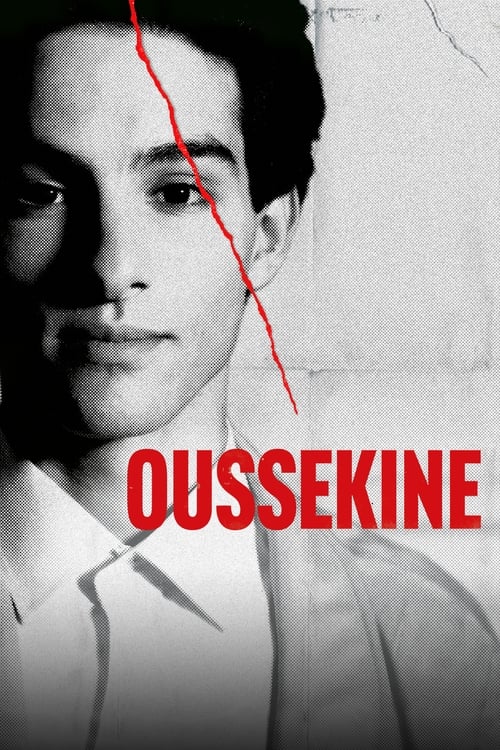

















Popular
What events lead to the tragic death of Malik Oussekine?
How does Malik's family react to his death throughout the series?
What role does the media play in the portrayal of Malik's story?
How does the series depict the relationship between Malik and his friends?
What impact does Malik's death have on the student protests depicted in the series?
Should I watch it?
Ask Your Own Question

What is the plot?
In the opening scenes of "Oussekine," we are introduced to Malik Oussekine, a young student in Paris during the late 1980s. The atmosphere is charged with political tension as students are actively protesting against the government's policies. Malik is depicted as a bright and ambitious individual, deeply engaged in his studies and passionate about social issues. He is seen attending classes and discussing the protests with his friends, showcasing his idealism and desire for change.
As the protests escalate, Malik's family becomes increasingly concerned for his safety. His father, a stern yet caring figure, expresses his worries about the potential dangers of the demonstrations. Malik reassures his family, insisting that he is careful and aware of the risks involved. This moment highlights the generational divide between Malik and his parents, who have experienced their own struggles in Algeria.
The narrative shifts to a pivotal protest where Malik and his friends gather in large numbers. The atmosphere is electric, filled with chants and banners. As tensions rise, the police arrive to disperse the crowd. Malik, caught up in the fervor, decides to stay and continue protesting despite the warnings from his friends. The police begin to use force, and chaos ensues as protesters clash with law enforcement. Malik witnesses the brutality firsthand, which deeply affects him and solidifies his resolve.
In the aftermath of the protest, Malik returns home shaken but determined. He confides in his sister, who is supportive yet worried about the potential repercussions of his activism. Their bond is evident as they discuss their dreams and aspirations, revealing Malik's desire to make a difference in society. However, the tension at home grows as his parents confront him about his involvement in the protests, leading to heated arguments that showcase the family's struggles to understand each other's perspectives.
As the story progresses, Malik becomes more involved in the protests, leading to a series of confrontations with the police. During one particularly intense protest, Malik is arrested along with several others. The scene is chaotic, with police officers aggressively detaining protesters. Malik's fear and confusion are palpable as he is taken away, and the emotional toll of the situation begins to weigh heavily on him.
While in custody, Malik experiences the harsh realities of the justice system. He is subjected to questioning and intimidation, which further fuels his anger and determination to fight against the injustices he faces. The scenes in the police station are tense, with Malik's internal struggle evident as he grapples with the consequences of his activism.
After his release, Malik's life takes a darker turn. He becomes increasingly isolated from his friends and family, who are worried about his well-being. The emotional strain of his experiences begins to manifest in his behavior, leading to conflicts with those closest to him. Malik's internal conflict is highlighted as he questions whether his fight for justice is worth the personal sacrifices he is making.
The climax of the story occurs during a major protest that turns violent. Malik, now a prominent figure among the protesters, leads a group determined to stand their ground against the police. The scene is fraught with tension as both sides prepare for confrontation. Malik's leadership is tested as he tries to maintain order among his peers while also confronting his own fears.
As the police advance, the situation escalates into a full-blown clash. Malik witnesses friends being injured and arrested, which ignites a fierce determination within him. He rallies his fellow protesters, urging them to remain united despite the chaos. The violence is graphic, with scenes of brutality that emphasize the stakes of their struggle.
In the aftermath of the protest, Malik faces the consequences of the violence. He is haunted by the events that transpired, grappling with guilt and sorrow for those who were hurt. His relationships with his family and friends become strained as they struggle to understand the depth of his commitment to the cause. Malik's emotional state deteriorates as he feels increasingly alienated from those who care about him.
The final scenes depict Malik's ongoing fight for justice, showcasing his resilience despite the personal toll it has taken on him. He continues to engage in activism, but the weight of his experiences lingers. The story concludes with a poignant reflection on the sacrifices made in the name of change, leaving viewers with a sense of the ongoing struggle for justice and the impact it has on individuals and families.








What is the ending?
In the ending of "Oussekine," the story culminates in a poignant and tragic resolution. The series concludes with the aftermath of the brutal police intervention that led to the death of Malik Oussekine. His family grapples with the loss, and the impact of his death resonates deeply within the community, sparking protests and calls for justice. The final scenes depict the emotional toll on Malik's family, particularly his mother, who is left to navigate her grief and the fight for accountability.
Expanding on this, the final episodes unfold with a heavy atmosphere, marked by a sense of impending tragedy. The narrative begins with Malik Oussekine, a young student, caught in the turmoil of the 1980s France, where tensions between the youth and authorities are palpable. As Malik goes about his daily life, the viewer is introduced to his close-knit family, showcasing their love and support for one another.
Scene by scene, the tension escalates. Malik's friends and family are seen discussing the growing unrest among the youth, reflecting their fears and hopes for a better future. Malik, portrayed as a bright and ambitious young man, is shown engaging in his studies, dreaming of a life beyond the struggles of his community. However, the atmosphere shifts dramatically when Malik becomes a target of police brutality during a peaceful protest.
The pivotal scene occurs when Malik is chased by the police, leading to a harrowing confrontation. The camera captures the chaos and fear in his eyes as he runs, desperately trying to escape the violence that surrounds him. The brutality of the police is depicted in stark detail, emphasizing the senselessness of the violence inflicted upon him. The moment Malik is struck down is heart-wrenching, leaving viewers in shock as the screen fades to black.
In the aftermath of Malik's death, the narrative shifts to his family, particularly focusing on his mother, who is portrayed with raw emotion. Her grief is palpable as she navigates the loss of her son, a bright light extinguished too soon. The series captures her struggle to find justice, showcasing her determination to hold the authorities accountable for their actions.
As the community rallies around the Oussekine family, protests erupt, demanding justice for Malik. The scenes are filled with passionate voices, banners, and a collective cry for change. The emotional weight of the protests is felt deeply, as the series highlights the impact of Malik's death on the community and the fight against systemic injustice.
In the final moments, the series leaves viewers with a sense of unresolved tension. Malik's family continues to seek justice, but the road ahead is fraught with challenges. The fate of Malik's mother is particularly poignant; she is left to carry the burden of her loss while becoming a symbol of resilience and the fight for justice. The series closes on a note of somber reflection, emphasizing the ongoing struggle against violence and the importance of remembering those who have been lost.
In summary, the ending of "Oussekine" encapsulates the profound impact of Malik's death on his family and community, highlighting themes of grief, resilience, and the quest for justice in the face of systemic oppression. Each character's fate is intertwined with Malik's legacy, leaving a lasting impression on the audience.
Is there a post-credit scene?
The TV show "Oussekine," produced in 2022, does not feature a post-credit scene. The series concludes its narrative without any additional scenes after the credits, focusing instead on the emotional and impactful storytelling throughout its episodes. The final moments of the show encapsulate the themes of loss, injustice, and the quest for truth, leaving viewers with a poignant reflection on the events surrounding the life and tragic death of Malik Oussekine. The absence of a post-credit scene reinforces the gravity of the story, allowing the audience to fully absorb the weight of the narrative without distraction.
What events lead to the tragic death of Malik Oussekine?
The tragic death of Malik Oussekine occurs during a time of political unrest in France. Malik, a young student, is caught up in a police crackdown on protests against the government's policies. The tension escalates when Malik, trying to avoid confrontation, is pursued by police officers. In a harrowing scene, he is brutally beaten by the police, leading to his untimely death. This moment is pivotal, showcasing the brutality of the authorities and the vulnerability of the youth during this turbulent period.
How does Malik's family react to his death throughout the series?
Malik's family is depicted as deeply affected by his death, grappling with grief and anger. His father, a strong figure, struggles to maintain composure while feeling helpless in the face of systemic injustice. His mother is portrayed as heartbroken, often seen in moments of despair, reflecting the emotional toll on the family. The series captures their journey through mourning, as they seek justice for Malik, highlighting their internal conflicts and the strain on familial bonds.
What role does the media play in the portrayal of Malik's story?
The media plays a crucial role in shaping public perception of Malik's story. Initially, the coverage is sparse and often biased, reflecting the authorities' narrative. However, as the family's fight for justice gains momentum, the media begins to spotlight the injustices faced by Malik and other victims. This shift is illustrated through scenes of journalists interviewing the family, capturing their pain and determination, and the growing public outcry that follows, emphasizing the power of media in social movements.
How does the series depict the relationship between Malik and his friends?
Malik's relationship with his friends is portrayed as a source of support and camaraderie. The series highlights their shared experiences as students navigating the challenges of their environment. In various scenes, they are shown engaging in discussions about their dreams and aspirations, which are abruptly shattered by Malik's death. The emotional weight of their loss is palpable, as they struggle to cope with the absence of their friend, leading to moments of reflection and solidarity in their quest for justice.
What impact does Malik's death have on the student protests depicted in the series?
Malik's death serves as a catalyst for the student protests depicted in the series. Following the news of his brutal killing, students across the country are galvanized into action, organizing demonstrations to demand justice and accountability. The series captures the intensity of these protests, showcasing the passion and anger of the youth as they rally against police violence and systemic oppression. The emotional stakes are high, as the protests become a symbol of resistance, reflecting the collective grief and determination of a generation.
Is this family friendly?
"Oussekine," produced in 2022, is a poignant and emotionally charged series that delves into the tragic events surrounding the life and death of Malik Oussekine, a young French-Algerian student. While the show is a powerful narrative about social justice and the impact of systemic violence, it does contain several elements that may be considered objectionable or upsetting for children or sensitive viewers.
-
Police Violence: The series depicts instances of police brutality, which are central to the story. These scenes are intense and may evoke strong emotional reactions.
-
Death and Grief: The narrative revolves around the death of Malik Oussekine, leading to scenes of mourning and grief that can be heavy and distressing.
-
Racial Tension: The show addresses themes of racism and discrimination, showcasing the societal tensions that arise from these issues, which may be difficult for younger viewers to process.
-
Emotional Turmoil: Characters experience significant emotional distress, including anger, sadness, and despair, which may be overwhelming for sensitive audiences.
-
Family Struggles: The impact of Malik's death on his family is explored, leading to scenes of conflict and emotional breakdowns that highlight the family's pain and struggle for justice.
Overall, while "Oussekine" is a compelling and important story, its themes and content may not be suitable for all viewers, particularly younger children or those who are sensitive to such topics.









