








Popular
What are the key events that shape Ulf Lundell's character throughout the series?
How does Ulf Lundell's relationship with his family influence his life and career?
What role do Ulf Lundell's romantic relationships play in his personal development?
How does Ulf Lundell confront his feelings of loneliness throughout the series?
What are the significant turning points in Ulf Lundell's career depicted in the series?
Should I watch it?
Ask Your Own Question

What is the plot?
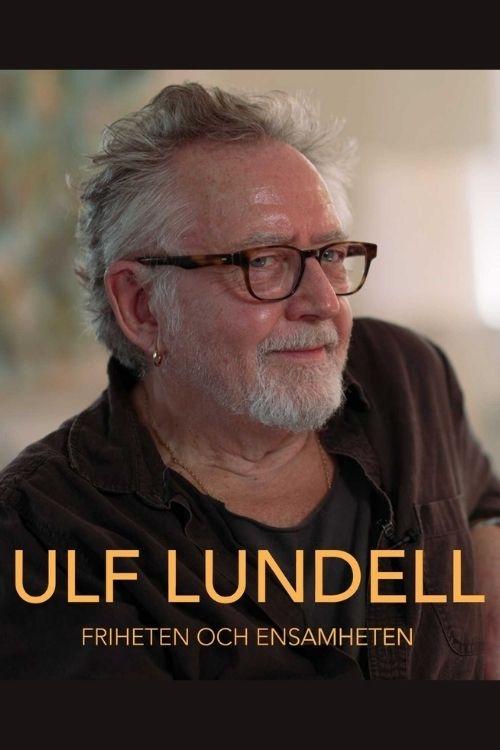
The story begins with Ulf Lundell, a renowned Swedish musician and author, reflecting on his life and career. The narrative is interspersed with flashbacks that reveal his early years, showcasing his humble beginnings in a small town. Ulf's passion for music is ignited during his teenage years, leading him to form a band with friends. They perform at local venues, and Ulf's songwriting begins to take shape, revealing his deep emotional struggles and desire for freedom.
As Ulf gains recognition, he moves to Stockholm, where he immerses himself in the vibrant music scene of the 1970s. The city is depicted as a character in itself, filled with energy and creativity. Ulf's internal conflict grows as he grapples with the pressures of fame and the expectations placed upon him. He experiences moments of exhilaration on stage, but these are often followed by feelings of isolation and loneliness, which he expresses through his lyrics.
Ulf's relationships are explored in depth, particularly with women who come in and out of his life. His romantic entanglements are passionate yet tumultuous, reflecting his struggle to connect with others while dealing with his own demons. One significant relationship is with a woman named Maria, who becomes a muse for his music. Their love affair is intense but ultimately fraught with misunderstandings and emotional turmoil, leading to a painful breakup that deeply affects Ulf.
As Ulf's career skyrockets, he faces the darker side of fame. He becomes increasingly reliant on alcohol and drugs, which serve as both a coping mechanism and a source of creative inspiration. The show portrays his descent into addiction with raw honesty, highlighting the impact it has on his personal life and relationships. Ulf's friends and family express concern, but he remains in denial about the extent of his problems.
In a pivotal moment, Ulf hits rock bottom after a particularly destructive episode fueled by substance abuse. This leads to a moment of clarity where he realizes he must confront his addiction. He checks into a rehabilitation center, where he begins the difficult journey of recovery. The process is depicted with emotional depth, showcasing Ulf's struggles and the support he receives from fellow patients and counselors.
After completing rehab, Ulf returns to music with a renewed sense of purpose. He begins to write again, channeling his experiences into his songs. The narrative captures the cathartic process of creating music as a form of healing. Ulf's new material reflects his growth and newfound understanding of himself, resonating with his audience on a deeper level.
As Ulf navigates his post-rehabilitation life, he reconnects with Maria, who has also undergone her own transformation. Their reunion is bittersweet, filled with both hope and uncertainty. They attempt to rebuild their relationship, but the scars of their past linger, creating tension as they both strive for personal growth.
The climax of the story occurs during a major concert where Ulf performs his new songs. The atmosphere is electric, and Ulf's vulnerability on stage resonates with the audience. He delivers a powerful performance that serves as both a celebration of his recovery and a tribute to the struggles he has faced. The emotional weight of the moment is palpable, as Ulf acknowledges his journey and the people who have supported him along the way.
In the final scenes, Ulf reflects on the themes of freedom and loneliness that have permeated his life. He acknowledges that while he has made significant strides in overcoming his challenges, the journey is ongoing. The show concludes with Ulf looking towards the future, embracing the complexities of life as an artist and individual, leaving viewers with a sense of hope and resilience.
More TV Shows Like This
Browse All TV Shows →





What is the ending?
In the ending of "Ulf Lundell - friheten och ensamheten," Ulf reflects on his life, grappling with the themes of freedom and solitude. He confronts his past relationships and the choices he has made, ultimately finding a sense of acceptance and peace. The series concludes with Ulf embracing his identity as an artist, despite the loneliness that often accompanies it.
As the final scenes unfold, we see Ulf Lundell sitting alone in a dimly lit room, surrounded by remnants of his past--old photographs, scattered lyrics, and unfinished paintings. The atmosphere is heavy with nostalgia, and Ulf's expression is a mix of contemplation and melancholy. He picks up a guitar, strumming softly, the notes echoing the solitude he feels.
In a flashback, we witness Ulf's earlier years, filled with vibrant performances and passionate relationships. The energy of his youth contrasts sharply with his current state. He recalls moments with his bandmates, the thrill of live shows, and the camaraderie that once filled his life. However, these memories are tinged with a sense of loss, as many of those relationships have faded over time.
The scene shifts back to the present, where Ulf is now seated at a table, writing. His pen moves slowly across the paper, capturing thoughts that are both painful and liberating. He reflects on the women he loved, the friendships that slipped away, and the choices that led him to this moment of solitude. Each stroke of the pen seems to release a burden, allowing him to confront the loneliness that has been a constant companion.
As the sun begins to set outside, casting a warm glow through the window, Ulf stands up and walks to the window, looking out at the horizon. The colors of the sunset mirror the complexity of his emotions--beauty intertwined with sadness. He takes a deep breath, feeling a sense of acceptance wash over him.
In the final moments, Ulf returns to his guitar, playing a haunting melody that encapsulates his journey. The camera pans out, showing him alone in the room, yet there is a newfound strength in his posture. He is an artist, and while freedom comes with the price of solitude, he embraces it fully. The screen fades to black, leaving the audience with a lingering sense of reflection on the nature of freedom, love, and the artist's life.
The fate of Ulf Lundell is one of introspection and acceptance. He remains a solitary figure, but he has come to terms with his identity and the choices he has made. The series closes on a note of hope, suggesting that while loneliness is a part of his existence, it is also a space for creativity and self-discovery.
Is there a post-credit scene?
In the TV show "Ulf Lundell - friheten och ensamheten," there is no post-credit scene. The series concludes without any additional content after the final credits, focusing instead on the emotional and narrative resolution of Ulf Lundell's journey throughout the episodes. The show wraps up his reflections on freedom and solitude, leaving viewers with a poignant sense of closure regarding his life and artistic legacy.
What are the key events that shape Ulf Lundell's character throughout the series?
Throughout the series, Ulf Lundell's character is shaped by a series of pivotal events that reflect his struggles with fame, personal relationships, and his quest for artistic freedom. Key moments include his early experiences in the music industry, which highlight the pressures of public life, and his tumultuous relationships with women that reveal his vulnerabilities and emotional depth. The series also delves into his creative process, showcasing the inspiration and challenges he faces while writing and performing.
How does Ulf Lundell's relationship with his family influence his life and career?
Ulf Lundell's relationship with his family plays a significant role in shaping his identity and artistic expression. The series explores his complex relationship with his parents, particularly his father, whose expectations weigh heavily on Ulf. This familial dynamic creates a sense of conflict within him, driving his desire for independence and self-discovery. The emotional turmoil stemming from these relationships often manifests in his music, providing a deeper understanding of his motivations and the themes he explores in his work.
What role do Ulf Lundell's romantic relationships play in his personal development?
Ulf Lundell's romantic relationships are central to his personal development throughout the series. Each relationship serves as a mirror reflecting his inner struggles and desires. The series portrays his passionate yet often tumultuous affairs, highlighting how they influence his emotional state and creative output. These connections reveal his longing for intimacy and fear of vulnerability, ultimately shaping his understanding of love and loneliness.
How does Ulf Lundell confront his feelings of loneliness throughout the series?
Ulf Lundell's confrontation with loneliness is a recurring theme in the series. He often grapples with feelings of isolation, despite his public persona as a celebrated artist. The series depicts moments of introspection where he reflects on his solitude, particularly during quiet moments away from the spotlight. These scenes are rich with emotional depth, showcasing his internal struggle to reconcile his need for connection with the reality of his solitary existence.
What are the significant turning points in Ulf Lundell's career depicted in the series?
The series highlights several significant turning points in Ulf Lundell's career, including his breakthrough album that catapults him to fame, the challenges he faces with the music industry, and his decision to pursue a more authentic artistic path. Each turning point is marked by emotional highs and lows, illustrating his resilience and determination to stay true to his vision. The series captures the tension between commercial success and artistic integrity, ultimately portraying Lundell's journey as one of self-discovery and evolution.
Is this family friendly?
"Ulf Lundell - friheten och ensamheten" is a documentary that delves into the life and career of the Swedish musician and author Ulf Lundell. While it offers a rich exploration of his artistic journey, it does contain themes and scenes that may not be suitable for all audiences, particularly children or sensitive viewers.
-
Substance Use: There are references to alcohol and drug use, which are part of Lundell's life experiences and artistic expression. These moments may be unsettling for younger viewers or those sensitive to such topics.
-
Emotional Struggles: The documentary addresses themes of loneliness, depression, and existential crises. Lundell's candid reflections on his mental health may evoke strong emotions and could be distressing for some.
-
Relationships: There are discussions about personal relationships, including romantic entanglements and the complexities of love and loss. These themes may be mature and difficult for younger audiences to fully grasp.
-
Raw Honesty: Lundell's storytelling is often brutally honest, which can include discussions of personal failures and societal critiques that might be heavy for younger viewers.
-
Cultural Context: Some of the cultural references and societal critiques may not resonate with younger audiences, potentially leading to confusion or misunderstanding.
Overall, while the documentary is a profound exploration of an artist's life, its mature themes and emotional depth may not be appropriate for children or sensitive individuals.