









Popular
What role does friendship play in the development of the main characters?
What challenges do the main characters face in their relationships throughout the series?
How does the character of the father influence the decisions of his sons?
What specific events lead to the brothers' reconciliation?
How do the characters evolve throughout the series in terms of their personal goals?
Should I watch it?
Ask Your Own Question

What is the plot?
In the small town of Halmstad, Sweden, the story begins with the introduction of the main character, a young boy named Albin. He is a bright and imaginative child who often feels out of place among his peers. Albin's father, a single parent, struggles to connect with him, leading to a sense of isolation for Albin. The father, who works long hours, is often preoccupied with his job, leaving Albin to navigate his feelings of loneliness.
One day, while exploring the nearby woods, Albin discovers a hidden treehouse. Inside, he finds a group of boys who call themselves "Pappas pojkar" (Dad's Boys). They are a tight-knit group that engages in various adventures and games, and they quickly welcome Albin into their fold. This marks a turning point for Albin, as he begins to form friendships and feel a sense of belonging for the first time.
As Albin becomes more involved with the group, he learns about their leader, a charismatic boy named Max. Max is confident and adventurous, often leading the boys into daring escapades. Albin admires Max and seeks his approval, which drives him to take risks he might not otherwise consider. The dynamics within the group shift as Albin tries to prove himself, leading to moments of tension and competition among the boys.
The plot thickens when the boys decide to embark on a treasure hunt, inspired by a local legend of hidden gold in the woods. They create a map and set off on their adventure, filled with excitement and anticipation. As they navigate through the forest, they encounter various challenges, including navigating tricky terrain and solving riddles that test their teamwork and ingenuity.
During the treasure hunt, Albin's relationship with Max becomes strained. Max's leadership style becomes increasingly domineering, and Albin begins to feel overshadowed. This culminates in a pivotal moment when Albin discovers a clue that could lead them to the treasure. Instead of sharing it with the group, he hesitates, fearing that it will further alienate him from Max and the others.
As the boys continue their search, they face a series of obstacles, including a rival group of boys who also seek the treasure. A confrontation ensues, leading to a physical altercation where Albin must choose between standing up for his friends or retreating in fear. In a moment of bravery, Albin decides to confront the rival group, showcasing his growth and newfound confidence.
The climax of the story occurs when the boys finally uncover the treasure, only to realize that it is not gold but rather a collection of old toys and memorabilia from the town's history. Initially disappointed, the boys come to appreciate the significance of their find, realizing that the true treasure lies in their friendship and the memories they created together during their adventure.
In the aftermath, Albin's relationship with his father improves as they bond over Albin's experiences with the group. Albin learns to express his feelings more openly, and his father begins to understand the importance of being present in his son's life. The series concludes with the boys vowing to continue their adventures together, solidifying their friendship and the lessons they learned along the way.

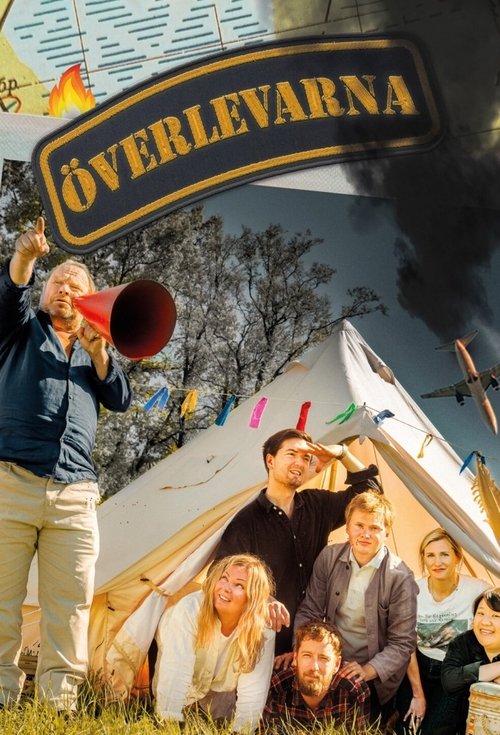







What is the ending?
In the ending of "Pappas pojkar," the main characters face the culmination of their struggles and relationships. The story wraps up with a sense of resolution as they confront their pasts and make choices that will shape their futures.
As the final episode unfolds, we see the characters grappling with their decisions. The brothers, who have been at odds throughout the series, finally come to a pivotal moment where they must choose between their loyalty to each other and their individual desires. The emotional weight of their shared history hangs heavily in the air, and the tension is palpable.
In a climactic scene, the brothers gather in a familiar setting, a place that has been significant throughout their journey. The atmosphere is charged with unspoken words and unresolved feelings. They reflect on their childhood, the challenges they faced, and the bond that has both united and divided them. Each brother expresses his fears and hopes, revealing their vulnerabilities. This moment of honesty leads to a breakthrough, allowing them to reconcile their differences.
As the episode progresses, we see the characters making choices that reflect their growth. One brother decides to pursue a new opportunity that takes him away from their hometown, symbolizing a step towards independence and self-discovery. The other brother, while initially resistant to change, ultimately supports his sibling's decision, showcasing the depth of their bond and the importance of letting go.
The series concludes with a poignant scene where the brothers share a heartfelt farewell. They embrace, acknowledging the journey they have taken together and the paths they are about to embark on separately. The camera lingers on their faces, capturing a mix of sadness and hope as they part ways, each ready to face the future with newfound strength.
In the final moments, the screen fades to black, leaving the audience with a sense of closure and the understanding that while their paths may diverge, the connection they share will always remain a part of them.
The fate of each main character is as follows: one brother leaves to chase his dreams, embracing the unknown, while the other stays behind, ready to build a life grounded in the lessons learned from their shared experiences. Their journey reflects themes of family, growth, and the bittersweet nature of change, encapsulating the essence of "Pappas pojkar."
Is there a post-credit scene?
In the 2020 series "Pappas pojkar," there is indeed a post-credit scene that adds a humorous twist to the narrative. After the main credits roll, viewers are treated to a light-hearted moment featuring the main characters, who are gathered in a familiar setting, reflecting on the events that transpired throughout the series.
In this scene, the characters engage in a playful debate about their most embarrassing moments, each trying to outdo the other with increasingly ridiculous stories. The atmosphere is filled with laughter and camaraderie, showcasing the strong bond that has developed among them over the course of the show.
As the banter continues, one character suddenly reveals a secret that leaves the others in shock, setting up a potential storyline for future adventures. The scene ends with a comedic twist, as the group bursts into laughter, and the screen fades to black, leaving viewers with a sense of warmth and anticipation for what might come next. This post-credit moment encapsulates the show's blend of humor and heart, reinforcing the themes of friendship and the ups and downs of growing up.
What role does friendship play in the development of the main characters?
Friendship plays a crucial role in the development of the main characters in 'Pappas pojkar'. The brothers' friendships with their peers provide them with support and perspective, often serving as a counterbalance to the pressures from their family. For example, one brother's close friendship with a neighbor helps him navigate his feelings of inadequacy, while the other finds solace in a group of friends who encourage him to pursue his dreams, illustrating the importance of camaraderie in their journeys.
What challenges do the main characters face in their relationships throughout the series?
Throughout 'Pappas pojkar', the main characters, particularly the brothers, face numerous challenges in their relationships, both with each other and with their father. The tension often arises from differing expectations and the struggle for independence. For instance, one brother feels overshadowed by the other's achievements, leading to jealousy and conflict. Their father, trying to maintain a balance, often finds himself caught in the middle, which adds to the emotional complexity of their interactions.
How does the character of the father influence the decisions of his sons?
The father in 'Pappas pojkar' plays a pivotal role in shaping the decisions of his sons. His traditional views often clash with the modern aspirations of his children, creating a rift. For example, when one son expresses a desire to pursue a career in the arts, the father's disapproval leads to a significant emotional confrontation, highlighting the generational divide and the pressure the sons feel to meet their father's expectations.
What specific events lead to the brothers' reconciliation?
The reconciliation between the brothers in 'Pappas pojkar' is marked by a series of pivotal events, including a family crisis that forces them to confront their differences. A significant moment occurs when they are compelled to work together to support their father during a health scare. This shared experience allows them to communicate openly about their feelings, leading to a heartfelt discussion that ultimately mends their fractured relationship.
How do the characters evolve throughout the series in terms of their personal goals?
Throughout 'Pappas pojkar', the characters undergo significant evolution regarding their personal goals. Initially, the brothers are primarily focused on fulfilling their father's expectations. However, as the series progresses, they begin to explore their own identities and aspirations. One brother, for instance, transitions from a corporate job to pursuing his passion for music, while the other learns to embrace his entrepreneurial spirit, showcasing their growth and the importance of self-discovery.
Is this family friendly?
"Pappas pojkar," produced in 2020, is a Swedish television series that revolves around the lives of two brothers, their father, and the challenges they face as a family. While the show is generally family-friendly, there are some elements that may be considered objectionable or upsetting for children or sensitive viewers.
-
Emotional Conflict: The series explores themes of family dynamics, including arguments and misunderstandings between family members, which may evoke strong emotions.
-
Loss and Grief: There are moments that touch on loss, which can be heavy and may resonate deeply with viewers, particularly those who have experienced similar situations.
-
Social Issues: The show addresses various social issues that may be complex for younger audiences to understand, including themes of identity and belonging.
-
Mild Language: There may be instances of mild swearing or inappropriate language that could be unsuitable for younger viewers.
-
Dramatic Tension: Certain scenes may contain dramatic tension or conflict that could be distressing, particularly for sensitive viewers.
Overall, while "Pappas pojkar" is designed to be relatable and engaging for a family audience, these elements may require parental guidance for younger viewers.