



















































Popular
What motivates the main character, Poon Sing-fung, throughout the film?
How does the character of the antagonist, the terrorist leader, impact the plot?
What role does the supporting character, Inspector Lee, play in the story?
What is the significance of the bomb disposal scenes in the film?
How does Poon's relationship with his family influence his actions in the film?
Should I watch it?
Ask Your Own Question

What is the plot?
Sorry, we aren't able to watch and write up a full detailed plot yet. Check back in a few days.
More Movies Like This
Browse All Movies →
What is the ending?
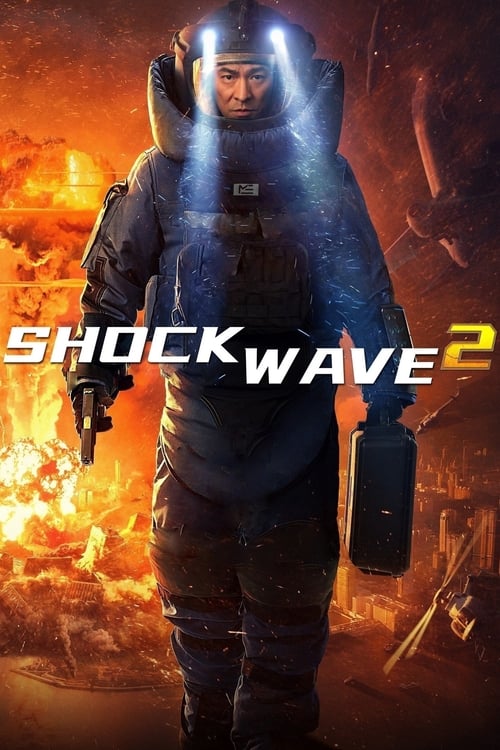
In the ending of "Shock Wave 2," the protagonist, Poon Sing-fung, confronts the terrorists and ultimately sacrifices himself to save others. The film concludes with a sense of resolution as the remaining characters reflect on the events that transpired.
As the climax unfolds, Poon Sing-fung, who has been grappling with his past and the consequences of his actions, finds himself in a high-stakes situation. The terrorists, led by a vengeful figure, have taken hostages and are threatening to unleash chaos. Poon, driven by a desire to protect innocent lives and atone for his previous mistakes, devises a plan to thwart their intentions.
In a tense sequence, Poon infiltrates the terrorists' hideout, showcasing his skills and determination. He navigates through a series of obstacles, each step filled with suspense as he evades detection. The emotional weight of his journey is palpable; he is not just fighting for the hostages but also for his own redemption.
As the confrontation escalates, Poon faces off against the leader of the terrorists. The fight is intense, filled with physicality and emotional stakes. Poon's internal struggle is evident as he fights not only for survival but also to prove to himself that he can be a hero. In a moment of selflessness, he makes the ultimate sacrifice, ensuring the safety of the hostages and stopping the terrorists' plans.
In the aftermath, the remaining characters, including Poon's allies, reflect on his bravery. They are left with a mix of grief and gratitude, recognizing the cost of heroism. The film closes on a somber yet hopeful note, emphasizing themes of sacrifice, redemption, and the impact of one individual's choices on the lives of many.
Poon Sing-fung's fate is sealed as he becomes a symbol of courage, while the other characters are left to carry on his legacy, forever changed by the events they endured.
Is there a post-credit scene?
In "Shock Wave 2," there is indeed a post-credit scene that adds an intriguing layer to the film's conclusion. After the main credits roll, the scene opens with a dimly lit room where a group of individuals is gathered around a table, discussing the aftermath of the events that transpired throughout the film. The atmosphere is tense, filled with a sense of urgency and foreboding.
As the camera pans, we see the main character, Poon Sing-fung, portrayed by Andy Lau, who is still grappling with the emotional weight of his past actions and the sacrifices made during the intense conflict. His face reflects a mix of determination and lingering pain, hinting at the internal struggles he continues to face.
The conversation among the group reveals that there are still unresolved threats and potential dangers looming on the horizon. They discuss the need for vigilance and preparation, suggesting that the fight against terrorism and chaos is far from over. This scene serves to reinforce the film's themes of resilience and the ongoing battle between good and evil.
The post-credit scene concludes with a close-up of Poon's resolute expression, symbolizing his commitment to continue the fight, leaving the audience with a sense of anticipation for what might come next. The scene effectively ties back to the film's core message about sacrifice, duty, and the relentless pursuit of justice.
What motivates the main character, Poon Sing-fung, throughout the film?
Poon Sing-fung, played by Andy Lau, is driven by a deep sense of guilt and responsibility stemming from his past as a bomb disposal officer. After a tragic incident that leaves him severely injured and with a lost sense of purpose, he is haunted by memories of his former life. His motivation shifts from personal redemption to protecting others, especially when he becomes embroiled in a terrorist plot that threatens countless lives. This internal struggle fuels his determination to confront his past and save those in danger.
How does the character of the antagonist, the terrorist leader, impact the plot?
The antagonist, a ruthless terrorist leader, serves as the catalyst for the film's tension and conflict. His meticulous planning and execution of a series of bombings create a race against time for Poon Sing-fung and his team. The antagonist's motivations are rooted in a desire for revenge and chaos, which not only challenges Poon's skills but also tests his moral compass. The cat-and-mouse dynamic between Poon and the antagonist heightens the stakes, leading to intense confrontations that reveal both characters' depths.
What role does the supporting character, Inspector Lee, play in the story?
Inspector Lee, portrayed by a supporting actor, plays a crucial role as Poon's ally and a voice of reason throughout the chaos. Initially skeptical of Poon's capabilities due to his past, Lee gradually comes to respect Poon's expertise and determination. Their partnership evolves as they work together to dismantle the terrorist plot, with Lee providing critical support in investigations and tactical decisions. His character embodies the theme of trust and collaboration, highlighting the importance of teamwork in overcoming adversity.
What is the significance of the bomb disposal scenes in the film?
The bomb disposal scenes are pivotal to the film's narrative, showcasing Poon's expertise and the high-stakes nature of his work. Each scene is meticulously crafted to build tension, with close-ups of Poon's focused expressions and the intricate details of the explosives he must defuse. These moments not only serve to highlight the physical danger but also symbolize Poon's internal struggle with fear and responsibility. The emotional weight of these scenes is amplified by the lives at stake, making each successful defusal a moment of triumph and a step toward Poon's redemption.
How does Poon's relationship with his family influence his actions in the film?
Poon's relationship with his family, particularly his estranged wife and child, adds a layer of emotional depth to his character. His longing for reconciliation and the desire to protect them from the fallout of his dangerous profession drive many of his decisions. Flashbacks and poignant moments reveal his internal conflict between duty and family, illustrating how his past choices haunt him. This personal stake intensifies the urgency of his mission against the terrorists, as he fights not only for the lives of strangers but also for the chance to reunite with his loved ones.
Is this family friendly?
"Shock Wave 2," produced in 2020, is an action-packed film that contains several elements that may not be suitable for children or sensitive viewers. Here are some potentially objectionable or upsetting aspects:
-
Intense Violence: The film features numerous scenes of gunfights, explosions, and hand-to-hand combat, which may be graphic and intense.
-
Injury and Blood: There are moments where characters sustain injuries, and some scenes depict blood, which could be distressing for younger audiences.
-
Tension and Suspense: The film is filled with high-stakes situations that create a sense of danger and urgency, which might be anxiety-inducing for sensitive viewers.
-
Themes of Terrorism: The plot revolves around terrorism and the threat of bombings, which could be unsettling for some audiences, especially in the current global context.
-
Emotional Turmoil: Characters experience significant emotional distress, loss, and moral dilemmas, which may resonate deeply and evoke strong feelings.
These elements contribute to the film's overall tone and may not be appropriate for all viewers, particularly children.








