


Popular
What challenges do the main characters face in their daily lives?
How do the characters deal with the consequences of their actions?
How do the relationships between the children evolve throughout the series?
What role do the parents play in the children's adventures?
What specific events lead to the children's biggest misadventures?
Should I watch it?
Ask Your Own Question

What is the plot?
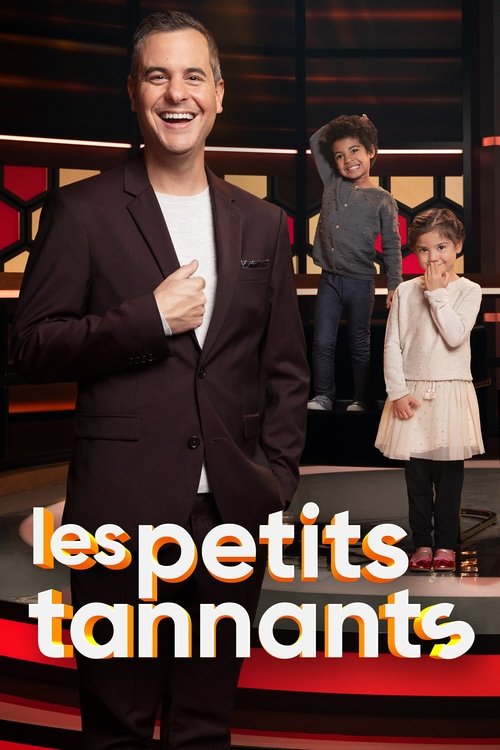
In the first episode of "Les petits tannants," we are introduced to a lively neighborhood where a group of mischievous children, known for their antics, are the central focus. The main characters include Max, a clever and adventurous boy; Léa, a spirited girl with a strong sense of justice; and their friends, who often find themselves in trouble. The episode opens with the children planning a grand treasure hunt in the local park, excitedly discussing the clues they will create and the potential rewards.
As the treasure hunt begins, the children split into teams, each determined to outsmart the others. Max and Léa lead their respective teams, and the competition quickly escalates. They encounter various challenges, such as deciphering riddles and overcoming physical obstacles in the park. The atmosphere is filled with laughter and playful banter, but tensions rise when Léa's team discovers that Max has hidden the final clue in a particularly tricky spot.
In a pivotal moment, Léa confronts Max about his tactics, feeling that he has played unfairly. Max, feeling defensive, insists that it's all part of the game. This confrontation highlights their differing views on competition and fairness, setting the stage for their evolving friendship throughout the series. The episode culminates in a dramatic race to the treasure, with both teams sprinting through the park, showcasing their determination and teamwork.
The second episode shifts focus to a new challenge: a neighborhood talent show. The children decide to form a band, with Max on guitar, Léa as the lead singer, and their friends playing various instruments. They face difficulties in coordinating their practices, leading to frustration and disagreements. Max wants to play a rock song, while Léa prefers a pop ballad, causing a rift in the group.
As they prepare for the show, the children experience a series of comedic mishaps during rehearsals, including a broken guitar string and a mix-up with the lyrics. These moments are filled with humor and showcase their resilience. Eventually, they come together to compromise on a medley that incorporates both styles, reflecting their growth as a team. The talent show night arrives, and despite their nerves, they perform with enthusiasm, earning cheers from the audience.
In the third episode, the plot takes a more serious turn when a new family moves into the neighborhood, and their son, Hugo, struggles to fit in. The children initially exclude him from their games, leading to feelings of isolation for Hugo. Léa, feeling empathetic, decides to reach out to him, inviting him to join their activities. This decision sparks a debate among the group, with some children resistant to including Hugo.
As Léa advocates for Hugo, Max grapples with his own feelings of loyalty to his friends versus the desire to be kind. The episode explores themes of friendship and acceptance, culminating in a heartwarming scene where Hugo finally feels welcomed during a group game. The children learn to appreciate each other's differences, and Hugo's presence enriches their dynamic.
The fourth episode introduces a mystery element when the children discover that someone has been vandalizing their favorite playground. Determined to find the culprit, they form a detective club, complete with makeshift badges and a secret headquarters. Each child takes on a role, with Max as the lead detective and Léa as the researcher, diving into the investigation with enthusiasm.
They gather clues, interview other kids in the neighborhood, and set up surveillance to catch the vandal in the act. Tension builds as they face dead ends and false leads, but their determination never wavers. In a climactic scene, they finally catch the vandal, who turns out to be a misunderstood older kid from the neighborhood. Instead of confronting him aggressively, the children choose to understand his motivations, leading to a resolution that emphasizes empathy and community.
In the final episode of the season, the children face their biggest challenge yet: a school field trip that goes awry. On the bus ride, they are excited but also anxious about the day ahead. When they arrive at the destination, a science museum, they are split into groups for various activities. Max and Léa find themselves in a group that is less enthusiastic, leading to frustration.
As the day progresses, they encounter a series of mishaps, including getting lost in the museum and accidentally triggering a security alarm. The chaos brings the group closer together as they work to resolve the situation. In a moment of teamwork, they devise a plan to communicate with the museum staff and find their way back to their classmates. The episode ends with the children reflecting on their adventures, solidifying their bonds and setting the stage for future escapades.
More TV Shows Like This
Browse All TV Shows →








What is the ending?
In the ending of "Les petits tannants," the main characters come to terms with their individual challenges and relationships. The children, having learned valuable lessons about friendship and responsibility, find a way to resolve their conflicts. The series concludes with a sense of unity and growth among the group, as they embrace their quirks and support one another.
As the final episode unfolds, the scene opens in the familiar playground where the children often gather. The sun is shining brightly, casting a warm glow over the swings and slides. The air is filled with laughter, but there's an underlying tension as the group faces a significant challenge that tests their bonds.
The camera pans to Max, who is visibly anxious. He has been struggling with feelings of inadequacy, especially in light of a recent competition that he feels he has let his friends down in. His internal conflict is palpable as he fidgets with his hands, glancing at his friends who are engaged in a game.
Next, we see Léa, who is trying to rally the group together. She stands on a bench, her voice ringing out with enthusiasm, attempting to lift Max's spirits. Her determination to keep the group united is evident, and her eyes shine with hope. She encourages everyone to share their feelings, emphasizing the importance of communication and support.
As the children begin to open up, we witness a series of heartfelt exchanges. Simon admits that he has been feeling left out, while Emma shares her fears about not being good enough in school. Each revelation brings the group closer, and the atmosphere shifts from one of tension to camaraderie. The camera captures their expressions--relief, understanding, and a newfound sense of solidarity.
In a pivotal moment, Max steps forward, taking a deep breath. He confesses his fears about disappointing his friends and how much their opinions mean to him. The group listens intently, and as he speaks, the weight of his worries seems to lift. The scene is charged with emotion, showcasing the vulnerability of childhood friendships.
The climax of the episode occurs when the children decide to work together on a project that combines their individual strengths. They brainstorm ideas, and the camera captures their animated discussions, laughter, and the occasional playful argument. This collaborative effort symbolizes their growth and the lessons they've learned about teamwork and acceptance.
As the project comes to fruition, the final scenes depict the children presenting their work to the community. The pride on their faces is unmistakable, and the support from their families adds to the emotional weight of the moment. Each character shines in their own right, showcasing their unique talents and contributions.
The series concludes with a heartwarming scene at sunset, where the children sit together on the swings, reflecting on their journey. They share their hopes for the future, and the camera lingers on their smiling faces, capturing the essence of their friendship. The final shot zooms out, revealing the playground as a symbol of their shared experiences and growth.
In the end, Max learns to embrace his strengths and vulnerabilities, Léa solidifies her role as a leader and peacemaker, Simon finds his voice, and Emma gains confidence in her abilities. Each character leaves the series with a sense of belonging and a deeper understanding of themselves and each other, encapsulating the core message of friendship and resilience.
Is there a post-credit scene?
In the 2022 series "Les petits tannants," there is indeed a post-credit scene that adds a humorous twist to the overall narrative.
As the credits roll, the scene opens in the familiar setting of the schoolyard, where the main group of children is gathered. They are animatedly discussing the events of the episode, particularly the mischief they got into. The camera zooms in on their faces, capturing their expressions of excitement and camaraderie.
Suddenly, one of the children, Max, suggests a new prank they could pull on their teacher, Madame Lavoie. The others lean in, intrigued, their eyes sparkling with mischief. Just as they start to plot, the scene cuts to Madame Lavoie, who is overhearing their conversation from a distance. She rolls her eyes but can't help but smile, clearly amused by their antics.
The scene ends with a playful wink from Madame Lavoie, leaving viewers with a sense of warmth and the understanding that while the children may be "tannants" (little troublemakers), their hearts are in the right place, and their bond with their teacher is strong. This light-hearted moment encapsulates the spirit of the show, emphasizing friendship, fun, and the innocent chaos of childhood.
What challenges do the main characters face in their daily lives?
In 'Les petits tannants', the main characters, a group of mischievous children, face various challenges that stem from their playful antics and the consequences of their actions. Each episode showcases their attempts to navigate friendships, school life, and family dynamics, often leading to humorous yet poignant situations. For instance, one episode features the children trying to organize a secret birthday party for a friend, which spirals into chaos as they deal with misunderstandings and the need to keep their plans hidden from adults.
How do the characters deal with the consequences of their actions?
In 'Les petits tannants', the characters often face the consequences of their actions in humorous yet meaningful ways. After a particularly chaotic episode where their antics disrupt a community event, the children must confront the fallout, which includes apologizing to those affected and finding ways to make amends. This process is filled with emotional moments as they learn about accountability and the impact of their behavior on others, ultimately leading to personal growth and stronger friendships.
How do the relationships between the children evolve throughout the series?
Throughout 'Les petits tannants', the relationships between the children are central to the narrative. Initially, they exhibit typical rivalries and alliances, but as the series progresses, they learn the importance of teamwork and empathy. A notable moment occurs when two characters, who often clash, must collaborate to solve a problem, leading to a deeper understanding and respect for each other. This evolution is marked by moments of conflict, reconciliation, and shared experiences that strengthen their bonds.
What role do the parents play in the children's adventures?
The parents in 'Les petits tannants' serve as both a source of guidance and a source of comedic conflict. They often find themselves oblivious to the children's schemes, leading to humorous misunderstandings. For example, in one episode, a parent misinterprets the children's innocent play as a serious issue, which escalates the situation. However, there are also moments where the parents provide valuable life lessons, helping the children reflect on their actions and the importance of honesty and responsibility.
What specific events lead to the children's biggest misadventures?
The children's biggest misadventures in 'Les petits tannants' often stem from their imaginative ideas and lack of foresight. A key event occurs when they decide to create a makeshift carnival in their backyard, which quickly spirals out of control. The planning involves elaborate setups that go awry, leading to a series of comedic mishaps, such as a runaway pet and a neighbor's unexpected involvement. These events highlight their creativity but also the chaos that ensues when they don't consider the consequences.
Is this family friendly?
"Les petits tannants," produced in 2022, is a family-friendly show that primarily targets a younger audience. However, like many children's programs, it contains some elements that might be considered objectionable or upsetting for sensitive viewers.
-
Conflict and Disagreements: The show features scenes where characters experience conflicts, misunderstandings, or arguments, which may evoke feelings of tension or discomfort.
-
Emotional Upset: There are moments where characters face disappointment or sadness, such as not achieving a goal or feeling left out, which could resonate with children who are sensitive to emotional themes.
-
Mild Frustration: Some scenes depict characters dealing with frustration or annoyance, which might be relatable but could also be upsetting for younger viewers who are sensitive to such emotions.
-
Silly Mischief: The characters often engage in mischievous behavior that leads to chaotic situations. While intended to be humorous, some children might find the resulting chaos overwhelming.
Overall, while "Les petits tannants" is designed to be entertaining and relatable for children, parents may want to be aware of these elements when considering it for sensitive viewers.