
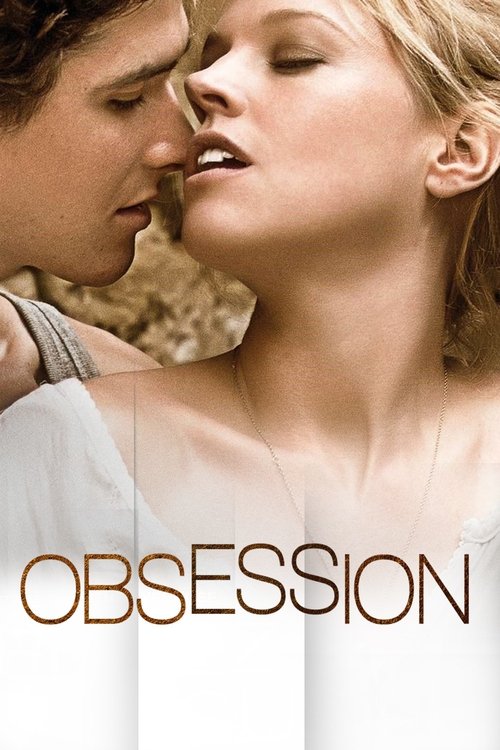














Popular
What motivates the main character, the artist, to become obsessed with the young woman he meets?
How does the relationship between the artist and the young woman evolve throughout the film?
What role does the artist's mentor play in the story?
What are the key turning points that escalate the artist's obsession with the young woman?
How does the young woman react to the artist's growing obsession?
Should I watch it?
Ask Your Own Question

What is the plot?
Simone Verhoeven stands in her modern Dutch home, surrounded by half-packed boxes and the quiet hum of a family preparing for change. The air is thick with unspoken tension as she folds clothes with a distracted grace, her mind elsewhere. She is in her late 30s, attractive yet visibly burdened by a restless yearning for something beyond the routine life she has known. Her husband, Eric Verhoeven, practical and emotionally reserved, moves methodically around the house, checking the moving van and discussing renovation plans for their new home in France. "This is a fresh start for all of us," he assures their two children, who chatter excitedly about the adventure ahead. But Simone's eyes betray a deeper conflict; she craves a new beginning, a different life, and the inheritance from her recently deceased mother--the dilapidated farmhouse in the South of France--seems like the key to unlocking that dream.
The family's departure from the Netherlands is quiet but charged with anticipation. The Dutch home, filled with family photos and packed belongings, symbolizes the stable but emotionally sterile life Simone is leaving behind. The journey to France is not just geographic but emotional, a crossing into a world where buried secrets and desires will surface.
Upon arrival, the farmhouse looms large and imposing, its stone walls weathered and worn, shutters broken, and garden overgrown. The house, nestled in a small rural village, is a stark contrast to their orderly Dutch home. Inside, Simone discovers old family photographs and a locked drawer in an antique desk. She pries it open to find letters and documents hinting at her mother's troubled past--a series of affairs and a strained marriage. In a hidden compartment of a wardrobe, she finds a faded scarf and a love letter from a former lover of her mother's, a tangible link to a legacy of passion and betrayal. The farmhouse is more than a building; it is a physical manifestation of decay, secrets, and the cycle of obsession Simone is about to inherit.
The village itself is small and tight-knit, with a supermarket, café, church, and a local fair that serves as a social hub. It is here, in the supermarket aisles, that Simone first encounters Michel, a handsome and charming French construction worker hired by Peter van Dijk, the Dutch contractor managing the renovation. Michel's presence is magnetic, and Simone is immediately drawn to him. Their initial exchanges are casual but charged with an undercurrent of attraction.
As the renovation progresses, tensions rise. Peter, who lives nearby, is a figure of authority and control, overseeing the project with a mix of professionalism and subtle manipulation. Simone and Eric rely on him heavily, but Simone soon uncovers troubling financial irregularities. In Peter's office, surrounded by architectural plans and invoices, she confronts him. "You're not just ruining the house, you're ruining our lives," she accuses, her voice trembling with a mix of anger and betrayal. Peter admits to embezzling funds but deflects blame onto the delays and Simone's emotional instability.
Meanwhile, Simone's relationship with Michel deepens, evolving from flirtation to a passionate affair. Their secret meetings take place in the unfinished parts of the farmhouse--the half-constructed bedroom and a secluded barn--spaces that mirror the unstable foundation of Simone's marriage and moral choices. One evening, in the dim light of the barn, Simone confesses her fear to Michel: "This can't go on. I have a family. I can't lose everything." Michel's response is cold and unwavering: "You already have. You chose this. You chose me." This moment marks the shift from fantasy to destructive obsession.
Eric's suspicions grow. In the village supermarket, he confronts Simone, his voice edged with hurt and frustration. "You're not here anymore, Simone. You're somewhere else, with him." Simone denies the affair, but the tension is palpable. Eric storms out, leaving Simone shaken and isolated.
Simone's discoveries about her mother's past weigh heavily on her. Through letters and photographs, she learns that her mother, too, was trapped in a cycle of infidelity and emotional neglect, leaving her father for a younger man only to return broken and alone. Simone sees herself reflected in her mother's mistakes, realizing that she is risking her family for a fleeting passion.
The climax builds as Eric confronts Michel at the farmhouse. The confrontation is raw and charged with years of unspoken pain. Eric's voice is fierce: "You took my wife, my home, my future. You think you're better than me?" Michel replies with a cold certainty, "She came to me. She wanted this. You were never enough for her." Eric punches Michel, a moment of physical release that leaves no lasting injury but ends the affair. Michel leaves, and the fragile illusion shatters.
In the final scenes, Simone gathers her family in the main room of the farmhouse. Tearfully, she confesses her affair and emotional distance. "I wanted to be happy, but I almost destroyed everything. I'm sorry." Eric listens, silent at first, then offers a tentative olive branch: "We can't go back. But maybe we can start over. Not here. Not like this." Simone looks around the half-finished house, then at the photos of her mother, and makes a decision. They will sell the farmhouse and rebuild their lives with honesty and self-awareness.
The family packs up, the weight of their fractured dream lifting. Simone burns the love letter from her mother's lover in the fireplace, symbolizing her rejection of the destructive cycle. As they drive away, Simone looks in the rearview mirror, the farmhouse fading into the distance. Her face is a canvas of sorrow, relief, and cautious hope. The film ends without clear resolution but with the promise of a new beginning--one grounded in truth rather than obsession.









What is the ending?
In the ending of "Obsession," the main character, a woman named Anna, confronts the consequences of her actions as her life spirals out of control. The film culminates in a tense showdown that reveals the depths of obsession and betrayal, leading to tragic outcomes for several characters.
As the story unfolds in the final scenes, Anna finds herself increasingly isolated and desperate. She is haunted by her choices and the impact they have had on her relationships. The tension escalates when she confronts her former lover, leading to a dramatic confrontation that exposes the raw emotions and unresolved conflicts between them. The climax reveals the extent of Anna's obsession, culminating in a tragic resolution that leaves her grappling with the fallout of her actions.
In the aftermath, Anna is left to face the consequences of her obsession, with her relationships shattered and her future uncertain. The film closes on a somber note, emphasizing the destructive nature of obsession and the emotional toll it takes on those involved.
Now, let's delve into the ending in a more detailed, chronological narrative.
As the final act begins, Anna is seen pacing in her dimly lit apartment, her face a mask of anxiety and regret. The walls seem to close in on her, reflecting her internal turmoil. She clutches her phone, contemplating whether to reach out to her former lover, Mark, who has been a source of both passion and pain in her life. The weight of her obsession is palpable, and she feels trapped in a cycle of longing and despair.
In a pivotal scene, Anna decides to confront Mark. She arrives at his apartment, her heart racing as she knocks on the door. When he opens it, the tension is thick in the air. Mark's expression is a mix of surprise and wariness, and Anna's vulnerability is evident as she steps inside. The room is filled with an uncomfortable silence, broken only by the sound of their breathing. They exchange heated words, each revealing their hurt and anger. Anna's obsession with Mark is laid bare, and she struggles to articulate her feelings, her voice trembling with emotion.
As the confrontation escalates, Mark reveals his own struggles with their past relationship. He expresses his frustration and pain, and the conversation spirals into a heated argument. The emotional stakes are high, and both characters are pushed to their limits. Anna's desperation becomes evident as she pleads for understanding, but Mark's defenses are up, and he pushes her away.
In a moment of vulnerability, Anna breaks down, tears streaming down her face as she admits the depth of her feelings for him. Mark, caught off guard, softens for a moment, but the weight of their history looms large. Just as it seems they might find common ground, the tension snaps, and Mark's anger resurfaces. He accuses Anna of being selfish, and the argument takes a darker turn.
In a climactic moment, Anna, overwhelmed by her emotions, makes a rash decision. She reaches for a nearby object in a fit of rage, and the scene turns chaotic. The camera captures the raw intensity of the moment, with close-ups of their faces reflecting fear, anger, and heartbreak. The struggle culminates in a tragic accident, leaving both characters irrevocably changed.
As the dust settles, Anna is left alone in the aftermath of her actions. The weight of her obsession has led to devastating consequences, and she is left to grapple with the reality of what has transpired. The final scenes depict her wandering through the empty streets, her expression a mix of shock and sorrow. The world around her feels alien, and she is haunted by the choices she made in the name of love.
The film concludes with Anna standing at a crossroads, her future uncertain. The camera lingers on her face, capturing the profound sense of loss and regret. The screen fades to black, leaving the audience to reflect on the destructive nature of obsession and the emotional scars it leaves behind. Each character's fate is sealed in this moment, with Anna left to confront the consequences of her actions alone, a poignant reminder of the cost of unchecked desire.
Is there a post-credit scene?
In the movie "Obsession" (2015), there is no post-credit scene. The film concludes its narrative without any additional scenes or content after the credits roll. The story wraps up with the resolution of the main plot, focusing on the intense and dramatic events that unfold throughout the film, leaving no further developments or cliffhangers for the audience to ponder after the credits.
What motivates the main character, the artist, to become obsessed with the young woman he meets?
The main character, a talented but struggling artist, is initially drawn to the young woman due to her striking beauty and the inspiration she provides for his work. As he learns more about her, his fascination deepens into an obsession, fueled by his desire to capture her essence in his art and his longing for a connection that he feels is missing in his life.
How does the relationship between the artist and the young woman evolve throughout the film?
The relationship begins with a chance encounter that sparks the artist's interest. As he pursues her, they share moments of intimacy and vulnerability, which lead to a passionate romance. However, as the artist's obsession grows, it becomes increasingly unhealthy, leading to tension and conflict as the young woman begins to feel trapped by his fixation.
What role does the artist's mentor play in the story?
The artist's mentor serves as a guiding figure, offering advice and encouragement while also warning him about the dangers of obsession. The mentor's own experiences with love and loss provide a contrast to the artist's journey, highlighting the potential consequences of losing oneself in another person.
What are the key turning points that escalate the artist's obsession with the young woman?
Key turning points include the artist's discovery of the young woman's troubled past, which he feels compelled to save her from, and a pivotal moment when she expresses her desire for independence. These events trigger a shift in the artist's behavior, leading him to increasingly invasive actions that push the young woman away.
How does the young woman react to the artist's growing obsession?
Initially flattered and intrigued by the artist's attention, the young woman becomes increasingly uncomfortable as his obsession intensifies. She tries to assert her independence and set boundaries, but the artist's inability to accept her wishes leads to a dramatic confrontation, forcing her to confront the reality of their relationship.
Is this family friendly?
The movie "Obsession" (2015) contains several elements that may not be suitable for children or sensitive viewers. Here are some potentially objectionable aspects:
-
Intense Emotional Scenes: The film explores themes of obsession and betrayal, leading to emotionally charged confrontations that may be distressing.
-
Violence: There are scenes that depict physical altercations and threats, which could be unsettling for younger audiences.
-
Sexual Content: The film includes suggestive situations and themes of infidelity that may not be appropriate for children.
-
Psychological Tension: The narrative delves into the darker aspects of human relationships, including manipulation and stalking, which could be disturbing.
-
Mature Themes: The exploration of obsession and its consequences may be complex and difficult for younger viewers to understand.
These elements contribute to a tone that may be more suitable for mature audiences.









