







Popular
What are the main character's motivations throughout the series?
What role do secondary characters play in the development of the main plot?
How does the setting influence the characters' decisions and relationships?
How does the relationship between András and his partner evolve over the series?
What are the key turning points in András's character arc?
Should I watch it?
Ask Your Own Question

What is the plot?
In the opening scenes of "Válótársak," we are introduced to the main character, a middle-aged man named András, who is struggling with the aftermath of his recent divorce. He is depicted as emotionally distant and grappling with feelings of loneliness. The story begins with András attending a support group for divorced men, where he meets several other characters, including the charismatic and optimistic János, who becomes a pivotal figure in the narrative.
As the plot unfolds, András and János form a bond, and János encourages András to embrace life again. They decide to go on a road trip together, which serves as a catalyst for András to confront his past. During the trip, they encounter various humorous and poignant situations that highlight their contrasting personalities. András remains skeptical and reserved, while János is open and adventurous, pushing András out of his comfort zone.
The duo's journey takes a turn when they meet a group of women at a roadside diner. Among them is a woman named Kati, who catches András's eye. János, ever the wingman, encourages András to pursue her, leading to a series of awkward yet endearing attempts at flirting. This subplot introduces a romantic tension that adds depth to András's character as he begins to rediscover his confidence.
As the road trip continues, the men face various challenges, including car troubles and unexpected detours. These obstacles force them to rely on each other, deepening their friendship. András starts to open up about his feelings of inadequacy and fear of intimacy, revealing his internal struggles. János listens and offers support, emphasizing the importance of moving forward and not dwelling on the past.
The narrative takes a dramatic turn when they return to their hometown and discover that János has been diagnosed with a serious illness. This revelation shakes András to his core, as he realizes how much he has come to value their friendship. János's positive outlook remains intact, and he encourages András to continue living life fully, even in the face of adversity.
In the following episodes, András grapples with the reality of János's condition. He becomes more involved in János's life, helping him with daily tasks and providing emotional support. This period is marked by a series of heartfelt conversations where they reflect on their lives, dreams, and regrets. András's character development is evident as he learns to express his emotions and confront his fears.
As János's health deteriorates, the tone of the series shifts to a more somber atmosphere. András struggles with feelings of helplessness and grief, but he also finds strength in the memories they created together. He begins to take steps towards rebuilding his own life, including pursuing a relationship with Kati, who has been supportive throughout János's illness.
In the climax of the series, János's condition worsens, leading to a poignant farewell between the two friends. They share a deeply emotional moment where János imparts wisdom and encourages András to live life to the fullest. This scene is filled with raw emotion, showcasing the bond they have formed and the impact János has had on András's life.
After János's passing, András is left to navigate his grief. The final episodes depict his journey of healing as he reflects on their friendship and the lessons learned. He begins to embrace new opportunities, including a budding romance with Kati, symbolizing his growth and willingness to move forward.
The series concludes with András attending a gathering of their support group, where he shares his story and honors János's memory. This moment signifies his transformation from a man burdened by his past to one who is ready to embrace the future, carrying the spirit of his friend with him. The final scene leaves viewers with a sense of hope and the understanding that life continues, even in the face of loss.









What is the ending?
In the ending of "Válótársak," the main characters face the consequences of their choices and relationships. The series concludes with a sense of resolution for some, while others are left grappling with their decisions and the impact on their lives.
As the final episodes unfold, we see the characters navigating their personal and professional lives, culminating in a series of confrontations and reconciliations. The relationships that have been central to the narrative come to a head, revealing the complexities of love, friendship, and betrayal.
In the last scenes, the characters reflect on their journeys, leading to a bittersweet conclusion where some find closure, while others are left with lingering questions about their futures.
As the final episode of "Válótársak" begins, the camera pans over the bustling city, capturing the vibrant life that surrounds the main characters. The atmosphere is charged with anticipation as unresolved tensions simmer beneath the surface.
Scene 1: The Confrontation The episode opens with a tense confrontation between the two main characters, who have been at odds throughout the series. They meet in a dimly lit café, the air thick with unspoken words. The protagonist, visibly anxious, fidgets with a coffee cup, while the other character, arms crossed, exudes a mix of anger and hurt. As they exchange heated words, the emotional stakes rise, revealing deep-seated grievances and misunderstandings. The scene is punctuated by close-ups of their faces, capturing the raw emotions of frustration and longing.
Scene 2: The Decision Following the confrontation, the protagonist retreats to a quiet park, seeking solace. The camera captures the serene beauty of the surroundings, contrasting with the turmoil within. As they sit on a bench, lost in thought, flashbacks of happier moments with their partner flood their mind. The internal struggle is palpable; they grapple with the decision of whether to fight for the relationship or let it go. The scene is filled with soft, melancholic music that underscores the weight of their choice.
Scene 3: The Reunion In a pivotal moment, the protagonist decides to reach out to their partner, leading to a heartfelt reunion. They meet at the same café where their confrontation took place, but this time the atmosphere is different. The tension has shifted to a sense of vulnerability. They share their fears and hopes, and as they speak, the camera captures the gradual softening of their expressions. Tears are shed, and the emotional release is cathartic. This scene emphasizes the importance of communication and understanding in relationships.
Scene 4: The Farewell Meanwhile, another character faces their own reckoning. They stand at a crossroads, contemplating a significant life change. The scene is set against a backdrop of a sunset, symbolizing both an ending and a new beginning. As they make their decision, the camera lingers on their face, revealing a mix of determination and sadness. They bid farewell to a chapter of their life, signifying growth and the courage to embrace the unknown.
Scene 5: The Resolution In the final moments of the episode, the characters come together for a gathering, a celebration of sorts. The atmosphere is filled with laughter and warmth, but there is an undercurrent of bittersweetness. Each character reflects on their journey, acknowledging the challenges they faced and the lessons learned. The camera captures their interactions, highlighting the bonds that have been strengthened through adversity.
As the credits roll, viewers are left with a sense of closure for some characters, while others remain on uncertain paths. The series concludes with a poignant reminder of the complexities of relationships and the importance of facing one's truths. Each character's fate is intertwined with their choices, leaving a lasting impact on their lives and the lives of those around them.
Is there a post-credit scene?
In the TV show "Válótársak," there is indeed a post-credit scene that adds a humorous twist to the series. After the main credits roll, viewers are treated to a brief moment featuring the characters in a light-hearted scenario that encapsulates the show's comedic essence.
In this scene, we find the main characters, including the quirky and often chaotic duo of András and Kati, in a familiar setting--a cozy café where they frequently gather. The atmosphere is lively, filled with the chatter of other patrons and the clinking of coffee cups. András, with his characteristic charm and a hint of mischief, is attempting to impress Kati with a new, overly complicated coffee order that he insists is the latest trend.
Kati, rolling her eyes but amused, challenges him to actually pronounce the name of the drink correctly. As András fumbles through the pronunciation, the barista, a young woman with a bemused expression, interjects with a straightforward version of the order, much to Kati's delight. The scene captures the playful dynamic between the characters, showcasing their chemistry and the light-hearted banter that defines their relationship.
The post-credit moment serves as a reminder of the show's focus on friendship, humor, and the everyday absurdities of life, leaving viewers with a smile as they reflect on the series.
What are the main character's motivations throughout the series?
The main character, András, is driven by a desire for personal and professional fulfillment. He struggles with the expectations placed on him by society and his family, leading to a quest for authenticity in his relationships and career. His motivations often clash with those of his partner, who seeks stability and security.
What role do secondary characters play in the development of the main plot?
Secondary characters, such as András's friends and family, serve as catalysts for his growth and self-discovery. They provide contrasting perspectives on love, career, and personal happiness, often challenging András's views. Their interactions reveal deeper layers of his character, showcasing his vulnerabilities and the impact of external pressures on his choices.
How does the setting influence the characters' decisions and relationships?
The urban setting of Budapest plays a crucial role in shaping the characters' lives. The vibrant city reflects their aspirations and struggles, with its bustling nightlife and intimate cafes serving as backdrops for key moments. The contrast between the city's energy and the characters' internal conflicts highlights their search for belonging and identity.
How does the relationship between András and his partner evolve over the series?
András and his partner experience a tumultuous relationship marked by moments of deep connection and significant conflict. Initially, they share a passionate bond, but as the series progresses, their differing life goals and values create tension. Key scenes highlight their struggles with trust and communication, ultimately leading to pivotal decisions about their future together.
What are the key turning points in András's character arc?
Key turning points in András's character arc include his decision to confront his fears about commitment, his struggle with career setbacks, and moments of vulnerability that reveal his insecurities. These pivotal scenes force him to reevaluate his relationships and ultimately lead to significant personal growth, shaping his understanding of love and responsibility.
Is this family friendly?
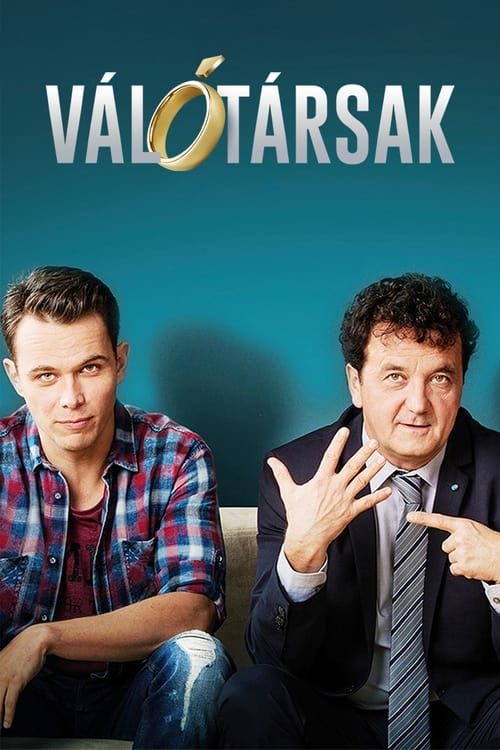
"Válótársak," produced in 2015, is a Hungarian television series that revolves around the complexities of relationships, particularly focusing on the lives of two divorced couples who navigate their new realities. While the show has comedic elements, it also delves into themes that may not be suitable for younger audiences or sensitive viewers.
Potentially objectionable or upsetting aspects include:
-
Divorce and Family Dynamics: The show explores the emotional turmoil associated with divorce, which may be distressing for children or those sensitive to family issues.
-
Adult Themes: There are discussions and situations involving romantic relationships, infidelity, and the challenges of dating post-divorce, which may not be appropriate for younger viewers.
-
Conflict and Arguments: The series features scenes of conflict between characters, including heated arguments that can be intense and emotionally charged.
-
Humor with Mature Undertones: Some comedic elements may involve innuendos or references that are more suitable for an adult audience.
-
Emotional Struggles: Characters experience feelings of sadness, loneliness, and frustration, which may resonate deeply with viewers and could be upsetting for those who are sensitive to such emotions.
Overall, while "Válótársak" contains humor and relatable situations, its exploration of adult relationships and emotional challenges may make it less suitable for children or sensitive individuals.