

























































Popular
What are the key events that lead to Catherine's rise to power?
How does Catherine's relationship with Peter III evolve throughout the series?
What role do Catherine's advisors play in her reign?
How does Catherine's character develop throughout the series?
What are the significant challenges Catherine faces during her reign?
Should I watch it?
Ask Your Own Question

What is the plot?
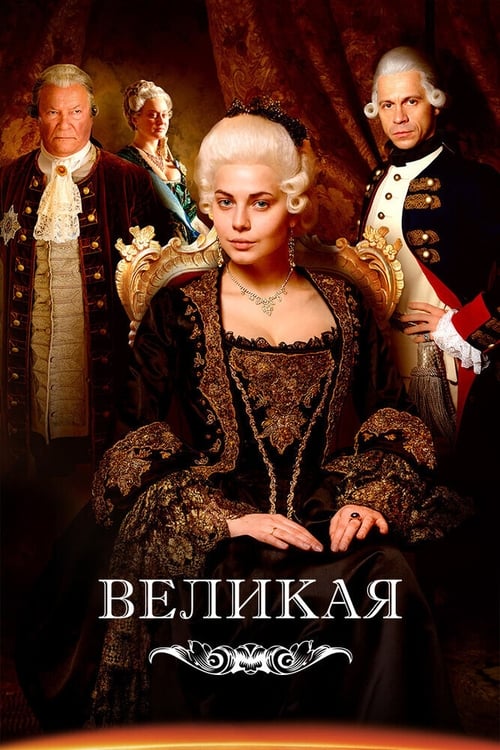
Catherine the Great, a German princess, arrives in Russia to marry the heir to the throne, Grand Duke Peter. She is initially filled with hope and ambition, but upon her arrival, she quickly realizes that her new husband is immature, self-absorbed, and largely uninterested in her. The opulent court life is overwhelming, and Catherine struggles to adapt to the rigid expectations of the Russian nobility. She feels isolated and trapped in a loveless marriage.
As Catherine navigates her new life, she befriends other members of the court, including the influential and cunning Countess Anna. Catherine's intelligence and charm begin to earn her respect, but she remains frustrated by Peter's childish behavior and his obsession with military games. Peter's inability to take his role seriously becomes increasingly apparent, and Catherine begins to contemplate her own power and influence within the court.
Catherine's relationship with Peter deteriorates further when she discovers that he is planning to take a mistress. This betrayal deepens her resolve to seek a way to gain power for herself. She starts to form alliances with other influential figures in the court, including the ambitious General Orlov, who becomes her lover. Their relationship is passionate and strategic, as Orlov shares Catherine's desire for reform and a stronger Russia.
As Catherine's political acumen grows, she begins to gather support among the nobility and the military. She learns about the dissatisfaction among the people regarding Peter's rule, which is marked by incompetence and frivolity. Catherine's desire to improve the lives of her subjects becomes a driving force in her quest for power. She starts to envision a future where she can rule effectively and bring about change.
The tension between Catherine and Peter escalates when she learns that he plans to go to war without proper preparation. In a pivotal moment, Catherine confronts Peter about his reckless decisions, but he dismisses her concerns. This confrontation solidifies Catherine's determination to take control of her destiny. She begins to plot a coup, enlisting the support of key military leaders who are disillusioned with Peter's leadership.
The coup is set into motion when Catherine gathers her supporters and prepares to confront Peter. On the night of the coup, she is filled with a mix of fear and exhilaration. As she leads her allies into the palace, she knows that this is a defining moment in her life. The confrontation with Peter is tense; he is caught off guard and initially refuses to yield. However, the overwhelming support for Catherine forces him to realize that he is outnumbered.
In a dramatic showdown, Peter is confronted by Catherine and her supporters. He attempts to assert his authority, but the tide has turned against him. Catherine, with a calm yet determined demeanor, declares her intention to take the throne. Peter, realizing he has lost the support of the military and the nobility, is ultimately forced to abdicate. The emotional weight of this moment is palpable, as Catherine stands poised to claim her rightful place as Empress.
With Peter removed from power, Catherine is officially proclaimed Empress of Russia. The transition is not without its challenges, as she must now navigate the complexities of ruling a vast empire. Catherine's vision for Russia begins to take shape as she implements reforms aimed at modernizing the country and improving the lives of her subjects. Her reign is marked by a blend of ambition, intelligence, and a deep commitment to her vision for a better Russia.
As Empress, Catherine faces opposition from those who are loyal to Peter and resistant to her reforms. She must constantly defend her position and prove her capability as a ruler. The political landscape is fraught with intrigue, and Catherine's ability to outmaneuver her rivals becomes crucial to her success. She remains steadfast in her belief that she can lead Russia into a new era of enlightenment and progress.
Throughout her reign, Catherine reflects on her journey from a young princess to a powerful ruler. The emotional toll of her rise to power is evident as she grapples with the sacrifices she has made and the relationships she has lost. Yet, her determination to leave a lasting legacy drives her forward. Catherine's story is one of resilience, ambition, and the relentless pursuit of her vision for Russia, culminating in her establishment as one of history's most influential female leaders.









What is the ending?
In the ending of the 2015 TV show "Catherine the Great," Catherine faces the challenges of her reign and the complexities of her relationships. The series concludes with her solidifying her power and reflecting on her legacy, while also dealing with the personal sacrifices she has made.
As the final episodes unfold, we see Catherine grappling with the realities of ruling Russia. She is determined to implement reforms and modernize the country, but she faces opposition from various factions within the court. The tension between her and her former lover, Grigory Potemkin, becomes palpable as they navigate their complicated relationship. Potemkin, who has been a steadfast ally, begins to feel the strain of their differing ambitions.
In a pivotal scene, Catherine holds a grand ball, showcasing her strength and the opulence of her court. The atmosphere is filled with a mix of celebration and underlying tension, as various nobles vie for her favor. Catherine's poise and confidence shine through, but there is a sense of isolation as she realizes the sacrifices she has made for her position.
As the series progresses, Catherine's relationship with her son, Paul, becomes increasingly strained. Paul, who feels overshadowed by his mother's powerful presence, struggles with his own identity and the expectations placed upon him. In a heart-wrenching moment, Catherine confronts Paul about his ambitions and the future of the throne. Their conversation is filled with raw emotion, revealing the deep-seated fears and desires that both characters harbor.
The climax of the series arrives when Catherine must confront a coup attempt orchestrated by those who oppose her rule. In a tense and dramatic sequence, she rallies her loyal supporters, demonstrating her resilience and strategic acumen. The coup is thwarted, solidifying her position as Empress, but it comes at a personal cost. The emotional toll of her reign weighs heavily on her, and she reflects on the loneliness that accompanies her power.
In the final scenes, Catherine stands alone in her grand palace, looking out over the vast expanse of her empire. She contemplates her legacy, aware that her reign will be remembered for both its triumphs and its sacrifices. The series closes with a poignant moment of introspection, as Catherine acknowledges the complexities of her life as a ruler and a woman.
Grigory Potemkin, having played a crucial role in her rise, remains by her side, but their relationship is forever changed. He understands the weight of her responsibilities and the distance that has grown between them. Paul, still grappling with his place in the world, is left to navigate the future of the throne, hinting at the ongoing struggles that lie ahead.
In summary, the ending of "Catherine the Great" encapsulates the themes of power, sacrifice, and the personal costs of leadership, leaving viewers with a sense of the enduring legacy of one of history's most formidable female rulers.
Is there a post-credit scene?
The 2015 miniseries "Catherine the Great" does not include a post-credit scene. The series concludes with a focus on the significant events and emotional resolutions surrounding Catherine's reign and her relationships, particularly with her son, Paul, and her lover, Grigory Potemkin. The final moments encapsulate her legacy and the challenges she faced as a ruler, leaving viewers with a sense of closure regarding her character's journey without any additional scenes after the credits.
What are the key events that lead to Catherine's rise to power?
The series begins with Catherine's arrival in Russia as a young German princess, where she is married to the heir to the throne, Peter III. As Peter's incompetence and erratic behavior become apparent, Catherine begins to cultivate alliances with influential nobles and military leaders. Her intelligence and political acumen allow her to navigate the treacherous court politics, ultimately leading to her coup against Peter.
How does Catherine's relationship with Peter III evolve throughout the series?
Initially, Catherine is hopeful about her marriage to Peter, but as his immaturity and cruelty surface, she becomes increasingly disillusioned. Their relationship deteriorates as Peter's obsession with military games and disregard for governance frustrate her. This culminates in a power struggle, where Catherine's desire for reform and Peter's tyrannical rule clash, leading to her decision to overthrow him.
What role do Catherine's advisors play in her reign?
Catherine surrounds herself with a circle of advisors, including the ambitious and cunning Grigory Orlov, who becomes her lover and a key supporter in her coup. Their relationship is complex, as Orlov's loyalty is often tested by his own ambitions. Other advisors, like the wise and pragmatic Countess Vorontsova, help Catherine navigate the political landscape, providing counsel that shapes her policies and reforms.
How does Catherine's character develop throughout the series?
Catherine evolves from a naive young woman into a formidable ruler. Initially, she is portrayed as a victim of her circumstances, but as she gains power, her determination and strategic thinking come to the forefront. She grapples with the moral implications of her actions, particularly in her relationships and her decisions regarding the nobility and serfs, showcasing her internal conflict between personal desires and her vision for Russia.
What are the significant challenges Catherine faces during her reign?
Catherine faces numerous challenges, including opposition from the nobility who resent her reforms, the threat of foreign invasions, and internal strife within Russia. The series highlights her struggles to maintain control over a vast empire while implementing progressive changes, such as education and legal reforms. Additionally, her personal life, marked by tumultuous relationships and the pressure to produce an heir, adds to her challenges as she seeks to solidify her legacy.
Is this family friendly?
The 2015 TV show "Catherine the Great" contains several elements that may not be suitable for children or sensitive viewers. Here are some potentially objectionable aspects:
-
Violence and Warfare: The series depicts scenes of political intrigue and conflict, including battles and the consequences of war, which may be intense or distressing.
-
Sexual Content: There are scenes that involve sexual relationships and innuendos, reflecting the complexities of Catherine's personal life and her relationships with various men.
-
Political Intrigue and Betrayal: The show explores themes of betrayal, manipulation, and power struggles, which may be unsettling for younger audiences.
-
Death and Betrayal: Characters face betrayal and death, which can evoke strong emotional responses and may be upsetting for some viewers.
-
Mature Themes: The narrative delves into themes of ambition, power, and the sacrifices made for political gain, which may be difficult for younger viewers to fully understand.
These elements contribute to a mature tone throughout the series, making it more suitable for adult audiences.