




Popular
What are the key missions undertaken by the spies featured in the series?
Who are the main spies featured in the series and what are their backgrounds?
What challenges do the spies face during their operations?
How does the series depict the technology used by spies during their missions?
What are some notable historical events that are intertwined with the spies' stories?
Should I watch it?
Ask Your Own Question

What is the plot?
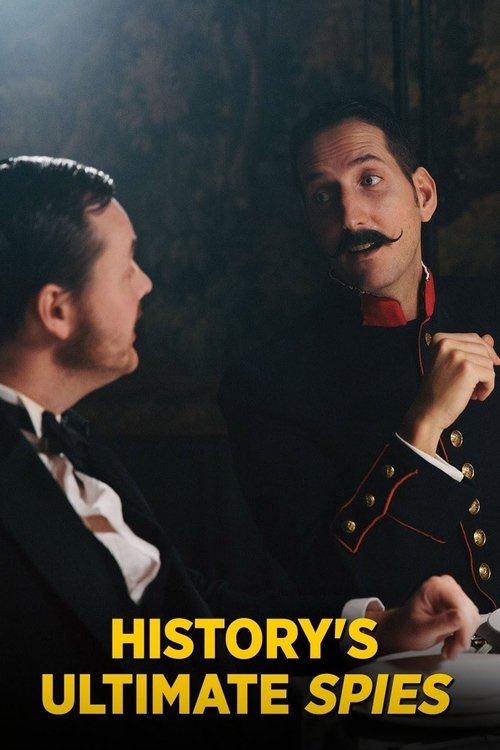
"History's Ultimate Spies" is a documentary series that explores the lives and missions of some of history's most famous spies. Each episode focuses on a different spy, detailing their background, key missions, and the impact they had on history.
The series begins with an introduction to the concept of espionage, explaining its significance throughout history. The first episode features the legendary spy Mata Hari, a Dutch exotic dancer who became a double agent during World War I. The narrative unfolds with her early life, showcasing her upbringing in the Netherlands and her move to Paris, where she becomes a sensation in the cabaret scene.
As the episode progresses, it delves into Mata Hari's recruitment by the French intelligence services. She is portrayed as a woman who uses her charm and allure to gather information from high-ranking military officials. The tension builds as she navigates the dangerous world of espionage, often reflecting on her motivations and the risks she takes for love and survival.
The plot thickens when Mata Hari is arrested by French authorities, accused of being a German spy. The episode details her trial, highlighting the evidence against her, which is largely circumstantial. The emotional weight of her situation is palpable as she grapples with betrayal and the consequences of her choices. The climax of her story is her execution by firing squad, depicted with a focus on her bravery and defiance in the face of death.
Subsequent episodes follow other spies, such as the American spy Nathan Hale, who is captured during the American Revolutionary War. The narrative details his recruitment, his intelligence-gathering missions, and ultimately his capture by British forces. The episode emphasizes Hale's commitment to his cause, culminating in his famous last words before his execution.
Another episode centers on the Cold War spy Kim Philby, a British intelligence officer who was a double agent for the Soviet Union. The story unfolds with his early career in MI6, his rise to prominence, and the gradual unraveling of his loyalties. The tension escalates as Philby's duplicity is revealed, leading to his defection to the Soviet Union. The emotional turmoil of betrayal and the impact of his actions on his colleagues are explored in depth.
The series also covers the life of Virginia Hall, an American spy during World War II. Her story highlights her determination to serve despite being an amputee. The episode details her training, her work with the British Special Operations Executive, and her critical role in organizing resistance efforts in France. The narrative builds to her successful escape from Nazi-occupied territory, showcasing her resourcefulness and bravery.
Each episode concludes with a reflection on the legacy of these spies, emphasizing the complex moral dilemmas they faced and the historical significance of their actions. The series captures the essence of espionage, portraying the spies not just as agents of their countries, but as individuals driven by personal motivations and the weight of their choices.
🔥 Trending TV Shows Now
Browse All TV Shows →







What is the ending?
In the ending of "History's Ultimate Spies," the series culminates in a dramatic exploration of espionage's impact on personal lives and the moral complexities faced by spies. The final episodes focus on the legacies of key historical spies, revealing their fates and the consequences of their actions.
As the series draws to a close, viewers are taken through a series of vignettes that highlight the lives of several spies, showcasing their triumphs and failures. The emotional weight of their choices is palpable, as each character reflects on the sacrifices made in the name of duty and loyalty. The series ends with a poignant reminder of the blurred lines between right and wrong in the world of espionage.
In a more detailed narrative, the final scenes unfold as follows:
The episode opens with a montage of archival footage, setting the stage for the final reflections of the spies featured throughout the series. The camera pans over images of historical events, interspersed with the faces of the spies who played pivotal roles in shaping history. The music swells, evoking a sense of nostalgia and gravity.
Scene 1: The Legacy of the Spies The screen transitions to a dimly lit room where a historian discusses the impact of espionage on global politics. He emphasizes the moral dilemmas faced by spies, illustrating how their actions often led to unintended consequences. The historian's voice is steady, but there is an underlying tension as he recounts the fates of various spies, including those who were celebrated as heroes and others who were vilified as traitors.
Scene 2: Personal Reflections Cut to a series of interviews with former spies, now aged and reflective. One spy, a woman who operated during the Cold War, speaks candidly about the emotional toll of her work. Her eyes glisten with unshed tears as she recalls the friends she lost and the secrets she kept. She expresses a deep sense of regret for the lives affected by her actions, revealing the internal conflict that has haunted her for decades.
Scene 3: The Final Mission The narrative shifts to a dramatic reenactment of a critical mission undertaken by a famous spy. The tension is palpable as the spy navigates a dangerous landscape, evading capture while gathering vital intelligence. The stakes are high, and the viewer can feel the adrenaline coursing through the spy's veins. As the mission concludes successfully, the spy's relief is short-lived, overshadowed by the realization of the personal sacrifices made along the way.
Scene 4: Consequences and Reflection The episode then delves into the aftermath of the mission. The spy returns home, but the joy of success is tainted by the knowledge of the lives disrupted by their actions. The camera captures the spy's somber expression as they sit alone, contemplating the cost of their loyalty to their country. The weight of their choices hangs heavy in the air, and the viewer is left to ponder the true price of espionage.
Scene 5: The Final Thoughts In the closing moments, the historian returns to summarize the overarching themes of the series. He reflects on the duality of spies as both protectors and destroyers, emphasizing the complexity of their roles in shaping history. The screen fades to black as he poses a final question: "What is the true cost of loyalty?" The series ends on this thought-provoking note, leaving the audience to grapple with the moral ambiguities presented throughout the episodes.
As the credits roll, the fates of the main characters are subtly hinted at. Some have found peace in their retirement, while others continue to wrestle with their pasts. The series concludes, not with clear resolutions, but with an invitation for viewers to reflect on the intricate web of choices that define the lives of those who operate in the shadows of history.
Is there a post-credit scene?
"History's Ultimate Spies," produced in 2015, does not feature any post-credit scenes. The series focuses on the lives and missions of some of history's most notorious spies, detailing their strategies, motivations, and the impact of their actions on world events. Each episode concludes with a summary of the spy's legacy and contributions, but there are no additional scenes or content after the credits roll. The show maintains a straightforward narrative structure, emphasizing the historical context and personal stories of the spies without the inclusion of post-credit material.
What are the key missions undertaken by the spies featured in the series?
The series highlights several key missions, including the infiltration of enemy territories, the gathering of intelligence on nuclear programs, and the disruption of terrorist plots. Each episode focuses on a specific spy's mission, detailing the planning, execution, and the high-stakes environment they operate in.
Who are the main spies featured in the series and what are their backgrounds?
The series features a diverse cast of spies, including figures like Mata Hari, a Dutch exotic dancer and spy during World War I, and Virginia Hall, an American who worked for the British Special Operations Executive during World War II. Each character's background is explored, revealing their motivations, personal struggles, and the unique skills they brought to their missions.
What challenges do the spies face during their operations?
The spies face numerous challenges, including betrayal from within their ranks, the constant threat of capture or death, and the moral dilemmas of espionage. The series vividly portrays the emotional toll these challenges take on the spies, showcasing their fears, doubts, and the sacrifices they make for their countries.
How does the series depict the technology used by spies during their missions?
The series provides a detailed look at the technology of espionage, from early 20th-century gadgets like hidden cameras and listening devices to more advanced tools used in modern espionage. Each episode illustrates how these technologies were pivotal in the success or failure of missions, often highlighting the ingenuity and resourcefulness of the spies.
What are some notable historical events that are intertwined with the spies' stories?
The series intertwines the spies' stories with significant historical events such as World War I, World War II, and the Cold War. These events provide context for the spies' actions and decisions, illustrating how their personal stories are affected by the larger geopolitical landscape.
Is this family friendly?
"History's Ultimate Spies," produced in 2015, is a documentary series that delves into the lives and operations of some of history's most notorious spies. While the series is educational and informative, it does contain elements that may not be suitable for all audiences, particularly children or sensitive viewers.
-
Violence and Warfare: The series discusses espionage in the context of wars and conflicts, which may include depictions of violence or the consequences of war. This could be unsettling for younger viewers.
-
Mature Themes: The show explores themes of betrayal, deception, and moral ambiguity, which may be complex and difficult for children to fully understand.
-
Historical Context: Some segments may include discussions of torture, assassination, and other dark aspects of espionage that could be distressing.
-
Emotional Strain: The personal stories of spies often involve significant emotional turmoil, including loss, guilt, and the impact of their actions on their families and loved ones.
-
Graphic Imagery: While not overly graphic, there may be images or reenactments that depict the harsh realities of spy work, which could be alarming.
Overall, while the series is rich in historical content, parents may want to preview episodes to determine their appropriateness for younger viewers.