













Popular
What is the significance of the character Valeria in the series?
How does Valeria's relationship with her father impact her character development?
What role does the character of the serial killer play in the story?
How does the series portray the theme of family through Valeria's interactions?
What are the key turning points in Valeria's investigation throughout the series?
Should I watch it?
Ask Your Own Question

What is the plot?
The series opens with Detective Anna Bassi, a dedicated and skilled investigator in the Italian police force, who is haunted by her past. She is introduced as a strong-willed woman, but her life is complicated by the unresolved trauma of her sister's murder, which remains a cold case. This personal tragedy drives her to seek justice for victims, often pushing her to the limits of her professional and personal life.
In the first episode, Anna is called to the scene of a brutal murder of a young woman named Giulia. The crime scene is chaotic, with the victim's body found in a park, and Anna's instincts kick in as she begins to piece together the evidence. She interviews witnesses and examines the surroundings, revealing her meticulous nature. As she delves deeper into the investigation, she discovers that Giulia had a complicated life, including a troubled relationship with her family and a secretive boyfriend.
As Anna continues her investigation, she faces resistance from her superiors, who are more concerned with public relations than the details of the case. This tension highlights Anna's determination to uncover the truth, even as she grapples with her own emotional turmoil. She begins to suspect that Giulia's murder may be connected to a series of similar cases, which leads her to explore the possibility of a serial killer in the area.
In the following episodes, Anna's investigation leads her to a group of friends who were close to Giulia. Through interviews, she learns about their dynamics and the secrets they keep. One friend, Marco, becomes a person of interest due to his erratic behavior and his connection to Giulia. Anna's instincts tell her that Marco is hiding something, and she intensifies her questioning, which leads to a confrontation where Marco becomes defensive and evasive.
As the investigation progresses, Anna uncovers a web of lies and deceit among Giulia's friends. She discovers that they were involved in a drug ring, which complicates the case further. Anna's relentless pursuit of the truth puts her at odds with her colleagues, who are more inclined to close the case quickly. This conflict escalates when Anna finds evidence that suggests a cover-up within the police department itself, leading her to question the integrity of those around her.
In a pivotal moment, Anna receives a tip-off about a potential suspect who has been linked to multiple unsolved murders. This leads her to a tense stakeout where she confronts the suspect, resulting in a high-stakes chase through the city. The adrenaline-fueled pursuit showcases Anna's determination and resourcefulness as she navigates through narrow alleyways and crowded streets, ultimately leading to a dramatic confrontation where she manages to apprehend the suspect.
As the series unfolds, Anna's personal life begins to unravel. Her relationship with her boyfriend, who is supportive but increasingly worried about her obsession with the case, becomes strained. Anna's emotional state deteriorates as she becomes more consumed by her quest for justice, leading to moments of vulnerability where she reflects on her sister's death and her own unresolved grief.
In the climax of the series, Anna uncovers a shocking twist: the murderer is someone she never expected, a figure from her past who has been manipulating events from the shadows. This revelation forces Anna to confront her own demons and the choices she has made throughout her investigation. The final confrontation is intense, filled with emotional stakes as Anna faces the killer, leading to a dramatic showdown that tests her resolve and commitment to justice.
The series concludes with Anna coming to terms with her sister's death and the impact of her investigation on her life. She finds a sense of closure, but the scars of her experiences remain. The final scenes depict her returning to the police force, determined to continue her work, but now with a deeper understanding of the complexities of justice and the personal toll it takes.





What is the ending?
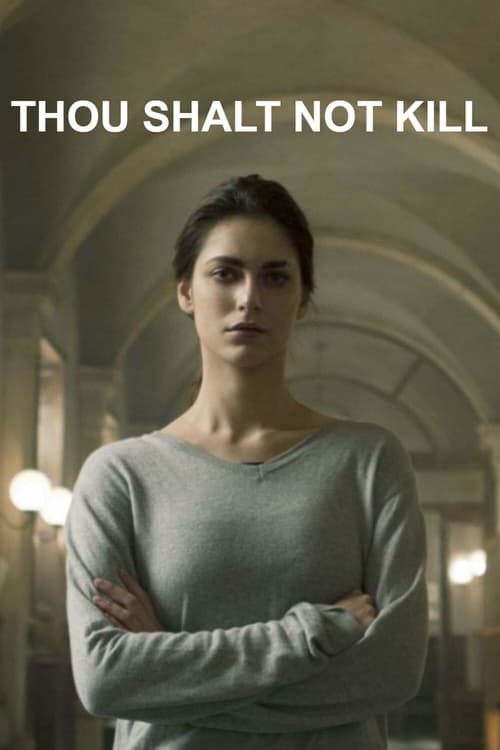
In the ending of "Thou Shalt Not Kill," Detective Valeria Ferro confronts the truth about her past and the events surrounding the murders she has been investigating. The series culminates in a tense showdown that reveals deep-seated emotions and unresolved conflicts, leading to a resolution that impacts all the main characters.
As the final episodes unfold, Valeria Ferro, played by the intense and complex actress, is drawn deeper into the web of her own past and the murders that have haunted her. The narrative builds to a climax where Valeria faces off against the antagonist, revealing the intricate connections between her personal history and the cases she has been working on.
In a pivotal scene, Valeria finds herself in a confrontation with the killer, who is revealed to have a personal connection to her past. The tension is palpable as she grapples with her emotions, torn between her duty as a detective and her personal demons. The atmosphere is thick with suspense, and the stakes are high as Valeria must make a choice that could cost her everything.
As the confrontation escalates, Valeria's internal struggle becomes evident. She is not just fighting for justice but also for her own redemption. The emotional weight of her past decisions bears down on her, and the audience can feel her desperation and determination. The scene is visually striking, with shadows and light playing across Valeria's face, highlighting her turmoil.
In the climax, Valeria manages to outsmart the antagonist, leading to a tense resolution. However, the victory is bittersweet. The series ends with Valeria standing alone, reflecting on the cost of her pursuit of justice. The camera lingers on her face, capturing the mix of relief and sorrow as she contemplates her future.
The fate of the main characters is intertwined with Valeria's journey. Her partner, who has been a steadfast ally, is left to pick up the pieces of their shattered lives. The emotional fallout from the events leaves a lasting impact on their relationship, hinting at unresolved tensions and the possibility of healing.
In the final moments, Valeria walks away from the chaos, symbolizing her journey towards self-acceptance and the ongoing struggle with her past. The series closes on a note of ambiguity, leaving viewers to ponder the complexities of justice, morality, and the human condition. The ending encapsulates the essence of the series, showcasing the intricate dance between light and darkness within each character.
Is there a post-credit scene?
In the 2015 Italian television series "Thou Shalt Not Kill" (original title: "Non uccidere"), there are no post-credit scenes. The series focuses on the intense and complex life of Inspector Valeria Ferro, who investigates various murder cases while grappling with her own troubled past and personal demons. Each episode concludes with a resolution to the case at hand, but there are no additional scenes or content after the credits that expand on the story or characters. The narrative is tightly woven, emphasizing the psychological and emotional struggles of Valeria and the impact of the crimes she investigates.
What is the significance of the character Valeria in the series?
Valeria is a central character whose complex relationship with her past and her family drives much of the narrative. As a detective, she grapples with her own demons, including the unresolved trauma of her sister's murder, which influences her investigative methods and emotional state throughout the series.
How does Valeria's relationship with her father impact her character development?
Valeria's relationship with her father is strained and filled with unresolved issues stemming from their shared tragedy. His disapproval and emotional distance contribute to her feelings of isolation and determination to prove herself, which fuels her relentless pursuit of justice in her cases.
What role does the character of the serial killer play in the story?
The serial killer serves as a catalyst for Valeria's character arc, representing both a professional challenge and a personal obsession. The killer's actions force Valeria to confront her own fears and vulnerabilities, ultimately leading to a deeper exploration of her psyche and motivations.
How does the series portray the theme of family through Valeria's interactions?
Family is a recurring theme in Valeria's interactions, particularly through her relationships with her estranged father and her deceased sister. These dynamics reveal her internal struggles and the impact of familial bonds on her identity, as she seeks closure and understanding while navigating her role as a detective.
What are the key turning points in Valeria's investigation throughout the series?
Key turning points in Valeria's investigation include the discovery of crucial evidence that links the serial killer to her sister's murder, her encounters with witnesses that challenge her perceptions, and moments of personal crisis that force her to reevaluate her methods and motivations, ultimately leading to a climactic confrontation.
Is this family friendly?
"Thou Shalt Not Kill," produced in 2015, is a crime drama that delves into dark themes and complex emotional narratives. While it offers a gripping storyline, it may not be considered family-friendly due to several potentially objectionable or upsetting aspects:
-
Violence and Crime: The show revolves around murder investigations, featuring graphic depictions of crime scenes, including dead bodies and the aftermath of violent acts.
-
Psychological Tension: The series explores the psychological impact of crime on both victims and perpetrators, which can be intense and unsettling for younger viewers.
-
Emotional Trauma: Characters often grapple with deep emotional pain, loss, and trauma, which may be difficult for sensitive individuals to process.
-
Mature Themes: The narrative includes themes of betrayal, revenge, and moral ambiguity, which may not be suitable for children.
-
Language and Adult Situations: There are instances of strong language and adult situations that may not be appropriate for younger audiences.
Overall, the show's exploration of dark and complex themes makes it more suitable for mature viewers rather than children or sensitive individuals.