













Popular
What are the key events surrounding Carlos's ascension to the throne?
How does Carlos's relationship with his mother, Juana, evolve throughout the season?
What role does the conflict with France play in Carlos's reign?
How does Carlos's relationship with his cousin, the future King of France, impact the story?
What challenges does Carlos face in his marriage to Isabella of Portugal?
Should I watch it?
Ask Your Own Question

What is the plot?
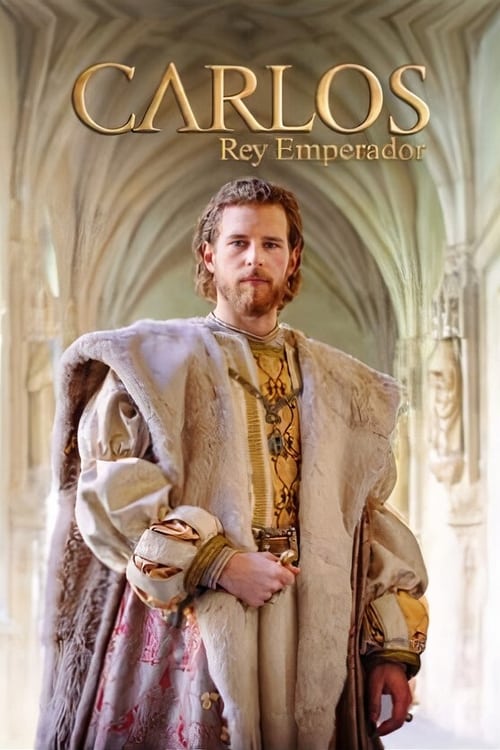
The series "Carlos, rey emperador" begins with the birth of Carlos, the future Holy Roman Emperor, in 1500. The narrative quickly establishes the political landscape of Europe, highlighting the power struggles between Spain, France, and the Holy Roman Empire. Young Carlos is raised in the court of his grandfather, King Ferdinand of Aragon, and his mother, Juana la Loca, who is struggling with her mental health. The tension between the Spanish crown and the French monarchy is palpable, setting the stage for Carlos's future conflicts.
As Carlos grows, he is sent to live in the Netherlands, where he is educated and groomed for leadership. His relationship with his tutor, Adrian of Utrecht, is significant; Adrian instills in him a sense of duty and the importance of the Habsburg legacy. Meanwhile, the political situation in Spain becomes increasingly complicated with the death of King Ferdinand, leaving Juana as the queen but under the control of her father-in-law, Philip the Handsome. This power struggle creates a rift in the family, as Carlos feels the weight of his lineage and the expectations placed upon him.
In 1516, after the death of Philip, Carlos returns to Spain to claim his inheritance. His arrival is met with mixed emotions; while some support him, others are loyal to Juana. Carlos's internal conflict is evident as he grapples with his loyalty to his mother and his ambition to rule. He ultimately decides to assert his authority, leading to a confrontation with his mother, who is still mentally unstable. This moment is pivotal, as it marks Carlos's first significant step into the political arena.
The narrative then shifts to Carlos's marriage to Isabella of Portugal, which is a strategic alliance meant to strengthen his claim to the throne. The wedding is lavish, filled with political figures and nobility, but Carlos's heart is not fully in it. He is torn between his duty and his personal desires, which foreshadows future conflicts in his reign. The marriage is also marked by the birth of their first child, further solidifying Carlos's position as a ruler.
As Carlos begins to consolidate power, he faces opposition from the French King Francis I, who seeks to undermine his authority. The rivalry escalates into military conflict, leading to the Battle of Pavia in 1525. Carlos's forces initially struggle, but through strategic maneuvering and the bravery of his soldiers, they ultimately secure a decisive victory. This battle is a turning point for Carlos, as it not only cements his reputation as a military leader but also captures Francis I, who is taken prisoner.
Following the battle, Carlos faces the challenge of maintaining control over his newly acquired territories. He navigates complex political alliances and rivalries, particularly with the Protestant Reformation gaining momentum in Germany. His internal struggle with faith and governance becomes more pronounced as he attempts to unify his empire under Catholicism while dealing with dissenting voices.
The season culminates with Carlos's realization of the immense responsibilities of his position. He grapples with the consequences of his decisions, particularly regarding his treatment of prisoners and the harsh realities of war. The emotional weight of leadership begins to take its toll on him, leading to moments of doubt and reflection. The final scenes depict Carlos standing alone, contemplating the vastness of his empire and the sacrifices made for power, setting the stage for the challenges he will face in the subsequent seasons.







What is the ending?
In the ending of "Carlos, rey emperador," the series culminates with the significant events surrounding the reign of Charles V, the challenges he faces, and the personal sacrifices made by those close to him. The final scenes depict the culmination of political strife, personal loss, and the heavy burden of leadership.
As the series draws to a close, Charles V is faced with the consequences of his decisions. He grapples with the weight of his responsibilities as emperor, which has led to strained relationships with his family and allies. The emotional toll of his reign becomes evident as he reflects on the sacrifices made for power and the loneliness that accompanies it.
In the final moments, Charles V makes a pivotal decision regarding his future, contemplating abdication and the legacy he wishes to leave behind. The series ends with a sense of resolution, yet it leaves the audience pondering the complexities of power, duty, and personal sacrifice.
As the final episodes of "Carlos, rey emperador" unfold, we find ourselves in the grand halls of the Spanish court, where the atmosphere is thick with tension. Charles V, portrayed with a mix of determination and weariness, stands before his advisors, grappling with the mounting pressures of his empire. The weight of his crown feels heavier than ever, as he reflects on the battles fought and the lives lost in his quest for power.
Scene by scene, we witness the unraveling of relationships. Charles's bond with his mother, Juana, is strained; her mental state deteriorates, and he is haunted by the knowledge that he cannot save her from her own demons. Juana, once a powerful figure, now exists in a shadow of her former self, and her sorrow weighs heavily on Charles's heart. He feels the pangs of guilt for the choices that have led them to this point.
In another scene, we see Charles's interactions with his cousin, the ambitious and cunning Francisco de los Cobos. Their discussions are laced with political maneuvering, as Francisco pushes for more aggressive policies, while Charles wrestles with the moral implications of such actions. The tension between their differing visions for the empire highlights the internal conflict within Charles, who is torn between his duty as a ruler and his desire for a more humane approach.
As the series progresses, the stakes rise with the looming threat of rebellion in the Netherlands. Charles's resolve is tested as he must decide whether to quell the uprising with force or seek a diplomatic solution. The emotional turmoil is palpable; he is a ruler caught between the expectations of his position and his own ideals. The weight of his decisions is reflected in his weary gaze, and the audience can sense the burden he carries.
In the climactic moments, Charles convenes a council to address the unrest. The room is filled with tension as nobles and advisors debate the best course of action. Charles, visibly strained, listens intently, but it is clear that he is grappling with the consequences of his choices. The council's discussions reveal the fractures within his empire, and the audience can feel the impending sense of doom as alliances begin to crumble.
As the series nears its conclusion, Charles makes the heart-wrenching decision to abdicate the throne. In a poignant scene, he addresses his loyal subjects, his voice heavy with emotion. He reflects on the sacrifices made for the empire and the personal toll it has taken on him and his family. The moment is bittersweet; he acknowledges the weight of his legacy while expressing a desire for peace and stability for his people.
In the final scenes, we see Charles retreating to a quieter life, leaving behind the trappings of power. He finds solace in the simplicity of a monastery, where he can reflect on his life and the choices he made. The camera lingers on his face, capturing the mix of relief and sorrow as he contemplates his journey.
The fates of the main characters are intertwined with Charles's decision. Juana remains in her state of despair, a tragic figure who symbolizes the personal costs of political ambition. Francisco de los Cobos, ever the opportunist, is left to navigate the turbulent waters of the empire without Charles's guiding hand. The series closes with a sense of finality, yet it leaves the audience with lingering questions about the nature of power, sacrifice, and the human condition.
In the end, "Carlos, rey emperador" paints a vivid portrait of a ruler who, despite his immense power, is ultimately a man burdened by the weight of his choices and the legacy he leaves behind. The emotional depth of the characters and the intricate web of political intrigue culminate in a powerful conclusion that resonates with the complexities of leadership and the human experience.
Is there a post-credit scene?
In "Carlos, rey emperador," there are no post-credit scenes in Season 1. The episodes conclude without additional content after the credits, focusing instead on the main narrative and character developments throughout the series. The storytelling is tightly woven around the historical events and personal struggles of Carlos I, emphasizing his journey as a ruler and the challenges he faces. Each episode wraps up its themes and character arcs without extending into post-credit sequences.
What are the key events surrounding Carlos's ascension to the throne?
In the early episodes of 'Carlos, rey emperador', we witness the young Carlos, who is still a prince, grappling with the immense responsibilities that come with his royal lineage. The narrative unfolds with the death of his grandfather, King Ferdinand, which sets the stage for Carlos's ascension. The political landscape is fraught with tension as various factions vie for power, and Carlos must navigate the treacherous waters of court politics. His internal struggle is palpable as he feels the weight of expectation from his family and the kingdom.
How does Carlos's relationship with his mother, Juana, evolve throughout the season?
Carlos's relationship with his mother, Juana, is complex and fraught with emotional turmoil. Initially, Juana is portrayed as a deeply troubled woman, struggling with her mental health and the pressures of her royal status. Carlos, feeling a mix of love and pity for her, often finds himself torn between his duty to support her and the need to assert his own authority. As the season progresses, their interactions reveal a deep bond, but also a growing tension as Carlos must ultimately make decisions that may not align with Juana's desires.
What role does the conflict with France play in Carlos's reign?
The conflict with France is a significant plot element in 'Carlos, rey emperador'. As Carlos ascends to the throne, he faces the looming threat of King Francis I of France, who seeks to undermine Spanish power in Europe. The tension escalates as Carlos must rally his allies and prepare for war, showcasing his strategic acumen and leadership skills. This conflict not only tests Carlos's military capabilities but also serves as a catalyst for his growth as a ruler, forcing him to confront the realities of governance and the sacrifices that come with it.
How does Carlos's relationship with his cousin, the future King of France, impact the story?
Carlos's relationship with his cousin, the future King of France, is marked by a blend of camaraderie and rivalry. Their familial ties create a complicated dynamic, as they are both heirs to powerful thrones. Throughout the season, moments of friendship are overshadowed by the political machinations that pit them against each other. This relationship adds depth to the narrative, illustrating the personal stakes involved in the broader political conflicts, and highlighting Carlos's internal conflict as he grapples with loyalty to family versus duty to his kingdom.
What challenges does Carlos face in his marriage to Isabella of Portugal?
Carlos's marriage to Isabella of Portugal is fraught with challenges that reflect the political alliances of the time. Initially, the union is seen as a strategic move to strengthen ties between Spain and Portugal. However, as the season progresses, Carlos struggles with the expectations placed upon him as a husband and ruler. Isabella's own ambitions and the pressures of court life create tension in their relationship. Carlos's emotional state fluctuates between affection for Isabella and frustration at the constraints of their marriage, ultimately shaping his character development and decisions as a monarch.
Is this family friendly?
"Carlos, rey emperador" is a historical drama that delves into the life of Charles V, Holy Roman Emperor, and the political and personal challenges he faces. While the show is rich in historical context and character development, it does contain several elements that may not be suitable for children or sensitive viewers.
-
Violence and Warfare: The series depicts battles and conflicts, showcasing the brutality of war. Scenes may include sword fighting, bloodshed, and the aftermath of violence, which could be distressing.
-
Political Intrigue and Betrayal: The narrative involves complex political maneuvering, betrayals, and the emotional toll these take on characters, which may be difficult for younger viewers to fully understand or process.
-
Death and Loss: Characters experience significant loss, including the death of loved ones, which is portrayed with emotional weight and can be upsetting.
-
Romantic Relationships: The show explores romantic entanglements, including themes of infidelity and unrequited love, which may not be appropriate for younger audiences.
-
Moral Ambiguity: Characters often face morally complex decisions, leading to actions that may be seen as unethical or ruthless, which could provoke discussions about right and wrong.
Overall, while "Carlos, rey emperador" offers a rich historical narrative, its themes and content may be more suitable for older teens and adults rather than younger children.