













Popular
What motivates Casanova's pursuit of love throughout the series?
How does Casanova's relationship with his mother influence his character?
What role does the character of Henriette play in Casanova's life?
How does Casanova's rivalry with other suitors affect his relationships?
What are the consequences of Casanova's reckless behavior in his romantic escapades?
Should I watch it?
Ask Your Own Question

What is the plot?
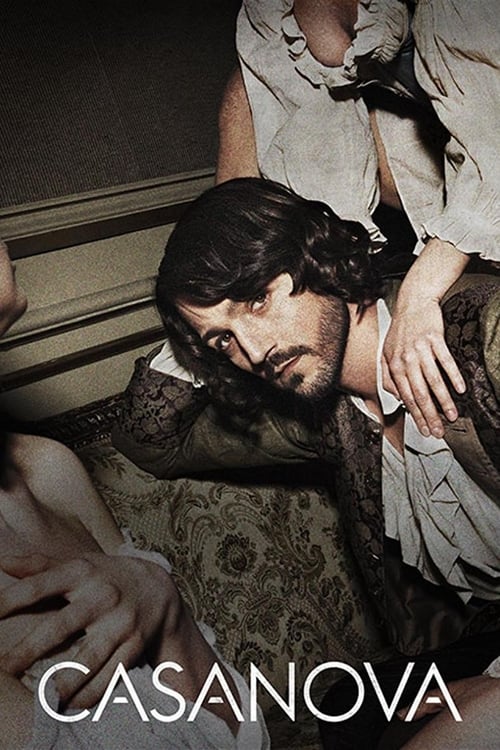
The story begins in 18th century Venice, where we are introduced to Giacomo Casanova, a charming and charismatic young man known for his romantic escapades. He is portrayed as a man who thrives on adventure and the thrill of seduction. The narrative opens with Casanova attending a lavish ball, where he is immediately drawn to the beautiful and enigmatic Henriette. Their flirtation is electric, filled with witty banter and palpable tension, setting the stage for Casanova's pursuit of love and desire.
As Casanova pursues Henriette, he encounters various obstacles, including her protective father, who disapproves of Casanova's reputation. This leads to a series of comedic and dramatic attempts by Casanova to win her affection, including elaborate schemes and disguises. His determination is fueled by a mix of genuine attraction and the thrill of the chase, showcasing his complex character as both a romantic and a rogue.
In a pivotal scene, Casanova's charm wins over Henriette, and they share a passionate kiss in a secluded garden. However, their moment is interrupted by the arrival of her father, leading to a confrontation that forces Casanova to flee. This escape is filled with tension as he narrowly avoids capture, showcasing his quick thinking and resourcefulness. The encounter deepens his resolve to prove himself worthy of Henriette's love.
As the story progresses, Casanova's reputation begins to catch up with him. He faces backlash from the local nobility, who view him as a threat to their social order. This culminates in a dramatic confrontation at a high-society gathering, where Casanova is publicly humiliated by a rival suitor. The emotional fallout from this event drives Casanova into a period of introspection, where he questions his lifestyle and the impact of his actions on those around him.
In a twist of fate, Casanova is approached by a mysterious woman named the Countess, who offers him a chance to escape his troubles by traveling to Paris. Intrigued by the prospect of new adventures, he accepts her offer, leaving behind the chaos of Venice. The journey to Paris is filled with excitement and danger, as they encounter various characters, including spies and aristocrats, each with their own agendas.
Upon arriving in Paris, Casanova is swept into a world of intrigue and political machinations. He becomes embroiled in a plot involving the Countess and her connections to the French court. As he navigates this new landscape, he finds himself torn between his feelings for Henriette and the allure of the Countess, leading to a complex love triangle that drives much of the narrative tension.
As the stakes rise, Casanova discovers that the Countess has her own hidden motives, which complicates their relationship. He learns that she is not just a woman of power but also someone with a tragic past that influences her actions. This revelation forces Casanova to confront his own motivations and the consequences of his romantic pursuits.
In a climactic sequence, Casanova must choose between loyalty to the Countess and his lingering feelings for Henriette, who unexpectedly arrives in Paris. The emotional turmoil reaches a peak as he grapples with his identity as a lover and a man of honor. This confrontation leads to a dramatic showdown where secrets are revealed, and allegiances are tested.
The story culminates in a final confrontation at a grand ball, where Casanova must face both women and the consequences of his choices. The atmosphere is charged with tension as he navigates the complexities of love, betrayal, and redemption. In a moment of clarity, Casanova makes a choice that reflects his growth as a character, ultimately leading to a resolution that ties together the various threads of his journey.
The series concludes with Casanova reflecting on his adventures, the lessons learned, and the relationships forged along the way. He stands at a crossroads, contemplating his future and the possibility of a new beginning, leaving the audience with a sense of hope and the enduring nature of love.






What is the ending?
In the ending of the 2015 TV show "Casanova," Giacomo Casanova finds himself at a crossroads, reflecting on his life of adventure, love, and betrayal. He ultimately chooses to leave behind his past and the tumultuous relationships that have defined him. The series concludes with him embracing a new beginning, symbolizing a shift from his notorious lifestyle to a more introspective and hopeful future.
As the final episodes unfold, we see Casanova grappling with the consequences of his actions. The narrative begins with him in a lavish Venetian setting, surrounded by the opulence that has characterized his life. However, the weight of his past decisions begins to bear down on him. He is haunted by memories of lost loves and the betrayals that have shaped his reputation.
In a pivotal scene, Casanova encounters Henriette, a woman who represents both his past and the possibility of redemption. Their conversation is charged with emotion, as they discuss the nature of love and the pain that often accompanies it. Casanova's internal struggle is palpable; he is torn between his desire for freedom and the realization that his lifestyle has left him isolated.
As the story progresses, Casanova faces the repercussions of his romantic escapades. He is confronted by former lovers and rivals, each representing a fragment of his tumultuous journey. The tension escalates when he must confront the consequences of his actions, leading to a dramatic confrontation that forces him to reevaluate his choices.
In the climax, Casanova makes a decisive choice to abandon his reckless pursuits. He bids farewell to the life of seduction and intrigue, symbolically leaving behind the masks he has worn throughout his life. This moment is visually striking, as he walks away from the grand palaces and vibrant parties that once defined him, stepping into a quieter, more contemplative existence.
The series concludes with Casanova reflecting on his journey, standing at the edge of a serene landscape. The camera captures his contemplative expression, hinting at a newfound sense of purpose. He acknowledges the pain and joy of his past, but now looks forward to a future filled with potential and self-discovery.
As for the fates of the main characters, Henriette finds herself at a crossroads as well, having been deeply affected by her relationship with Casanova. She chooses to pursue her own path, seeking fulfillment beyond the confines of their passionate but tumultuous connection. Other characters, such as Casanova's rivals and former lovers, are left to grapple with their own choices, but their stories fade into the background as Casanova's journey takes center stage.
In the end, "Casanova" leaves viewers with a sense of closure for its titular character, who has finally come to terms with his past and is ready to embrace a new chapter in his life, one that promises introspection and growth rather than mere indulgence.
Is there a post-credit scene?
The 2015 miniseries "Casanova" does not feature a post-credit scene. The series concludes its narrative without any additional scenes after the credits roll. The final moments of the show wrap up the story of Giacomo Casanova, focusing on his reflections and the consequences of his romantic escapades, leaving viewers with a sense of closure regarding his character arc and the themes of love, adventure, and the pursuit of happiness that permeate the series. The absence of a post-credit scene emphasizes the finality of Casanova's journey, allowing the audience to ponder the complexities of his life and relationships as the credits play.
What motivates Casanova's pursuit of love throughout the series?
Casanova is driven by a deep-seated desire for connection and intimacy, stemming from his tumultuous childhood and the fleeting nature of his relationships. His charm and wit mask a vulnerability, as he seeks not just physical pleasure but emotional fulfillment, often leading him into complex romantic entanglements.
How does Casanova's relationship with his mother influence his character?
Casanova's relationship with his mother is fraught with tension and longing. Her absence and the emotional scars from his childhood shape his views on love and trust. He often reflects on her influence, which complicates his romantic pursuits, as he subconsciously seeks to fill the void left by her departure.
What role does the character of Henriette play in Casanova's life?
Henriette serves as both a muse and a challenge for Casanova. Her intelligence and independence captivate him, yet her resistance to his advances forces him to confront his own vulnerabilities. Their dynamic evolves throughout the series, highlighting Casanova's struggle between his desire for conquest and the need for genuine connection.
How does Casanova's rivalry with other suitors affect his relationships?
Casanova's rivalry with other suitors, particularly with characters like the wealthy and arrogant Count, adds tension and urgency to his romantic pursuits. This competition not only fuels his passion but also reveals his insecurities, pushing him to outwit his rivals while simultaneously questioning the authenticity of his own affections.
What are the consequences of Casanova's reckless behavior in his romantic escapades?
Casanova's reckless behavior often leads to dramatic consequences, including heartbreak, betrayal, and social scandal. His impulsive decisions create a ripple effect, impacting not only his own life but also the lives of those around him, forcing him to grapple with the repercussions of his actions and the fleeting nature of his conquests.
Is this family friendly?
The 2015 TV show "Casanova" contains several elements that may not be considered family-friendly. Here are some potentially objectionable or upsetting aspects:
-
Sexual Content: The series explores themes of romance and seduction, featuring numerous scenes that depict sexual encounters and innuendos. These moments are integral to the character of Casanova and his lifestyle.
-
Mature Themes: The narrative delves into complex relationships, including infidelity and manipulation, which may be difficult for younger viewers to understand or process.
-
Violence: There are instances of physical confrontations and duels that may be intense or unsettling for sensitive viewers.
-
Emotional Turmoil: Characters experience betrayal, heartbreak, and existential crises, which could evoke strong emotional responses.
-
Historical Context: The show is set in a time period with different social norms, including attitudes towards women and class, which may be challenging for some viewers to reconcile with modern values.
Overall, while the series is rich in storytelling and character development, its mature themes and content may not be suitable for children or sensitive audiences.