

















Popular
What motivates the main character, Jo, to continue her investigation into her husband's death?
How does Jo's relationship with her children evolve throughout the series?
What role does Jo's partner, Detective Sergeant Mark, play in her investigation?
What secrets does Jo uncover about her husband's past?
How does the theme of trust manifest in Jo's relationships with other characters?
Should I watch it?
Ask Your Own Question

What is the plot?
The story begins with a tense scene where police officer Jo (played by Katherine Kelly) is seen in a high-stakes operation. She is part of a team attempting to apprehend a suspect involved in a drug deal. The operation goes awry, leading to a chaotic shootout. Jo's partner, who is also her husband, is shot during the confrontation. This traumatic event sets the stage for the emotional turmoil Jo will face throughout the series.
Following the incident, Jo is devastated by her husband's injury and the subsequent fallout. She struggles with the reality of his condition and the impact it has on their family, particularly their children. As she navigates her grief, Jo is determined to uncover the truth behind the drug operation and the circumstances that led to her husband's injury. This determination drives her to investigate further, despite the risks involved.
As Jo delves deeper into the investigation, she discovers that her husband was involved in a covert operation that he had kept secret from her. This revelation shakes her to the core, as she grapples with feelings of betrayal and confusion. Jo's internal conflict intensifies as she realizes that her husband's actions may have put their family in danger. She begins to question her own role as a police officer and the ethics of the work she does.
Jo's investigation leads her to a series of encounters with various characters, including informants and fellow officers. She learns about a criminal organization that her husband was trying to infiltrate. During one of these encounters, Jo faces a dangerous situation where she is threatened by members of the organization. She manages to escape, but the experience leaves her shaken and more determined to find answers.
As Jo continues her pursuit of the truth, she uncovers a web of corruption within the police force itself. She discovers that some of her colleagues may be involved in illegal activities, complicating her sense of loyalty and justice. This revelation forces Jo to confront the reality that the very institution she serves may be compromised. Her emotional state becomes increasingly fraught as she feels isolated and unsure of whom to trust.
In a pivotal moment, Jo confronts her superior about the corruption she has uncovered. This confrontation is tense, with Jo expressing her frustrations and fears. Her superior attempts to downplay her concerns, leading to a heated exchange. Jo's determination to expose the truth only grows stronger, and she begins to gather evidence against those involved in the corruption.
As the investigation escalates, Jo finds herself in increasingly dangerous situations. She is followed and threatened by members of the criminal organization, who are aware of her probing. In one particularly harrowing scene, Jo is ambushed while trying to meet with an informant. A chase ensues, showcasing Jo's resourcefulness and determination to evade her pursuers. She narrowly escapes, but the encounter leaves her more aware of the stakes involved.
Jo's personal life continues to unravel as the pressure mounts. Her relationship with her children becomes strained as she becomes more consumed by her quest for justice. She struggles to balance her duties as a mother with her obsession to uncover the truth about her husband's past and the corruption within the police force. This internal conflict is palpable, as Jo feels torn between her family and her sense of duty.
In a climactic moment, Jo finally confronts the leader of the criminal organization. This confrontation is fraught with tension, as Jo demands answers about her husband's involvement and the corruption she has uncovered. The scene is charged with emotion, as Jo's desperation for closure and justice comes to a head. The leader reveals shocking truths about her husband's actions, leaving Jo reeling and questioning everything she thought she knew.
The series reaches its peak as Jo must make a critical decision about how to proceed. Faced with the choice of exposing the corruption and risking her family's safety or remaining silent to protect them, Jo grapples with the weight of her responsibilities. Ultimately, she chooses to go public with her findings, leading to a dramatic fallout within the police department and the criminal organization.
In the final scenes, Jo's actions lead to a significant crackdown on the corrupt officers and the criminal organization. However, the victory is bittersweet, as Jo must come to terms with the personal cost of her pursuit of justice. The series concludes with Jo reflecting on her journey, the sacrifices made, and the uncertain future that lies ahead for her and her family.




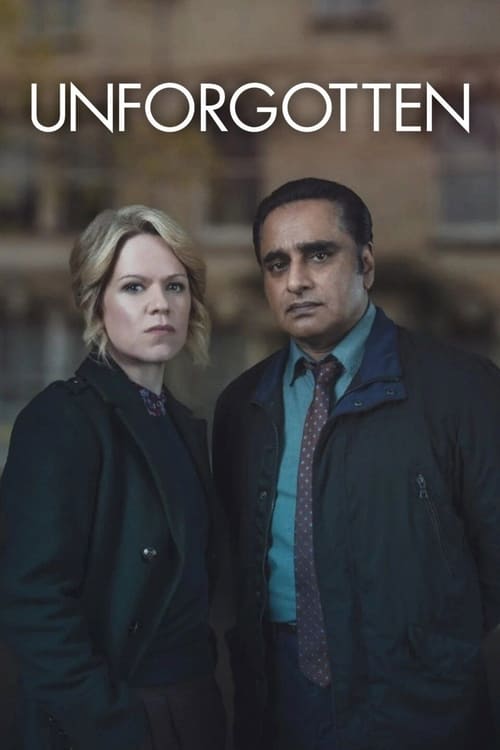




What is the ending?
In the ending of "Black Work," the protagonist, Jo, confronts the truth about her husband's death and the web of deceit surrounding her life as a police officer. She ultimately takes a stand against the corruption within her department, leading to a resolution that brings her personal and professional life into a new light.
As the final episodes unfold, Jo is deeply entrenched in her investigation into her husband's death, which she believes was not an accident but a murder tied to his undercover work. The tension escalates as she uncovers layers of betrayal and deceit within the police force.
In the penultimate scenes, Jo confronts her superiors, revealing the extent of the corruption that has plagued her department. The emotional weight of her journey is palpable; she grapples with feelings of betrayal, anger, and a desperate need for justice. The stakes are high as she realizes that her own life is in danger due to the powerful individuals involved in the cover-up.
In a climactic confrontation, Jo faces off against those who have manipulated her and her family. The scene is charged with emotion as she stands firm, fueled by the desire to protect her children and honor her husband's memory. The tension is thick as she navigates the dangerous waters of loyalty and truth, ultimately leading to a showdown that tests her resolve.
As the dust settles, Jo emerges from the chaos, having exposed the corruption within the police force. However, the victory is bittersweet. She is left to pick up the pieces of her life, now fully aware of the sacrifices made and the cost of seeking the truth. The series concludes with Jo finding a sense of closure, albeit with the understanding that her life will never be the same.
The fate of the main characters is as follows: Jo, having faced the truth and the dangers of her profession, is left to navigate her new reality as a single mother, determined to protect her children and honor her husband's legacy. The corrupt officers face consequences for their actions, but the resolution leaves a lingering sense of unease about the systemic issues within the police force. Jo's journey is one of resilience, highlighting the personal toll of seeking justice in a flawed system.
Is there a post-credit scene?
The TV show "Black Work," produced in 2015, does not feature a post-credit scene. The series concludes its narrative without any additional scenes after the credits roll. The final moments of the show focus on the resolution of the main character's journey, leaving viewers with a sense of closure regarding the intense and emotional storyline that has unfolded throughout the series. The absence of a post-credit scene allows the audience to reflect on the themes of loss, betrayal, and the complexities of undercover work that have been central to the plot.
What motivates the main character, Jo, to continue her investigation into her husband's death?
Jo's motivation stems from a deep sense of betrayal and the need for closure after her husband, a police officer, is killed in a suspicious manner. As she delves deeper into the investigation, her emotional turmoil intensifies, fueled by her love for her husband and the desire to uncover the truth behind his secret life.
How does Jo's relationship with her children evolve throughout the series?
Jo's relationship with her children becomes strained as she becomes increasingly consumed by her quest for the truth. Initially, she tries to balance her role as a mother with her investigation, but as the danger escalates, her children feel neglected and confused by her obsession, leading to emotional confrontations that highlight her internal conflict between family loyalty and her pursuit of justice.
What role does Jo's partner, Detective Sergeant Mark, play in her investigation?
Detective Sergeant Mark serves as both a confidant and a source of tension for Jo. He supports her in her investigation but also represents the institutional pressures of the police force. His loyalty is tested as Jo's methods become increasingly unorthodox, and he struggles with the ethical implications of her actions, creating a complex dynamic between professional duty and personal allegiance.
What secrets does Jo uncover about her husband's past?
As Jo investigates, she uncovers a web of secrets that reveal her husband was involved in undercover operations that put him in dangerous situations. These revelations not only shatter her perception of him but also expose a network of corruption within the police force, leading to a deeper understanding of the risks he faced and the reasons behind his deception.
How does the theme of trust manifest in Jo's relationships with other characters?
Trust becomes a central theme as Jo grapples with her relationships, particularly with her husband's colleagues and her own family. As she uncovers layers of deceit, her ability to trust those around her diminishes, leading to moments of isolation and desperation. This theme is poignantly illustrated in her interactions with her children and her partner, where each betrayal or revelation deepens her emotional struggle.
Is this family friendly?
"Black Work," produced in 2015, is a crime drama that delves into the life of a woman named Jo, whose husband is killed while working as an undercover police officer. The show contains several elements that may not be suitable for children or sensitive viewers.
-
Violence: The series includes scenes of gun violence and physical confrontations, which can be intense and graphic.
-
Death and Grief: The central theme revolves around the death of Jo's husband, leading to emotional scenes that explore grief, loss, and the impact on the family.
-
Crime and Drug Use: The narrative involves criminal activities, including drug dealing and the moral complexities surrounding undercover work, which may be distressing.
-
Emotional Turmoil: Characters experience significant emotional struggles, including betrayal, fear, and anxiety, which may be heavy for younger audiences.
-
Adult Themes: The show touches on themes of infidelity, trust, and the moral dilemmas faced by law enforcement, which may not be appropriate for children.
Overall, "Black Work" is more suited for mature audiences due to its serious themes and intense emotional content.