






Popular
What are the main character's motivations throughout the series?
How do the supporting characters influence the main plot?
What significant events lead to character development in the series?
What role does the antagonist play in the detective's journey?
How does the relationship between the detective and his partner evolve?
Should I watch it?
Ask Your Own Question

What is the plot?
Munch begins with the introduction of the main character, a quirky and determined woman named Munch, who is a private investigator. She is introduced in her cluttered office, surrounded by case files and a wall of photographs that hint at her past investigations. Munch is portrayed as someone who is deeply passionate about her work, often to the detriment of her personal life. The opening scene establishes her as a tenacious character, willing to go to great lengths to uncover the truth.
The first major plot point occurs when Munch is approached by a distraught mother, who is searching for her missing daughter. The mother provides Munch with a few leads, including the last known whereabouts of her daughter, which were at a local bar. Munch, feeling a sense of urgency, decides to visit the bar to gather more information. At the bar, she interviews patrons and staff, piecing together the last moments of the daughter's life. This scene is filled with tension as Munch navigates through conflicting stories and the emotional weight of the mother's desperation.
As Munch delves deeper into the investigation, she uncovers a series of suspicious activities linked to a local gang. This revelation leads her to confront a gang member in a tense exchange outside an abandoned warehouse. The confrontation escalates when the gang member threatens Munch, warning her to back off. Munch, however, stands her ground, showcasing her fearless nature. This moment solidifies her determination to continue the investigation despite the risks involved.
Munch's next step involves gathering more intel on the gang. She decides to go undercover, adopting a new persona to infiltrate their operations. This sequence is filled with suspense as Munch navigates the dangerous world of the gang, attending secret meetings and gaining the trust of its members. Her internal conflict is palpable; she is torn between her commitment to the case and the fear of losing herself in the role she is playing.
During her undercover work, Munch discovers that the gang is involved in human trafficking, which includes the missing girl. This shocking revelation heightens the stakes of her investigation. Munch realizes that time is running out, and she must act quickly to save the girl. She devises a plan to gather evidence against the gang while simultaneously trying to locate the missing girl. This plan involves a risky operation where she must lure the gang into a trap.
The operation unfolds with Munch coordinating with local law enforcement. The tension builds as they prepare to raid the gang's hideout. Munch, filled with a mix of fear and determination, leads the charge. The raid is chaotic, with gunfire erupting as the police confront the gang members. Munch navigates through the chaos, her heart racing as she searches for the missing girl amidst the turmoil.
In a climactic moment, Munch finds the girl locked in a room, terrified but alive. Munch reassures her, promising that they will get out safely. As they attempt to escape, they are confronted by the gang leader, leading to a tense standoff. Munch's quick thinking and resourcefulness come into play as she uses her surroundings to her advantage, ultimately outsmarting the gang leader and facilitating their escape.
The aftermath of the raid sees Munch receiving recognition for her bravery and determination. The missing girl is reunited with her mother, bringing a sense of closure to the case. However, Munch is left reflecting on the emotional toll of the investigation. She grapples with the darkness she encountered and the impact it has had on her. The final scenes depict Munch returning to her office, surrounded by her case files, hinting at her ongoing commitment to seeking justice for those who cannot fight for themselves.




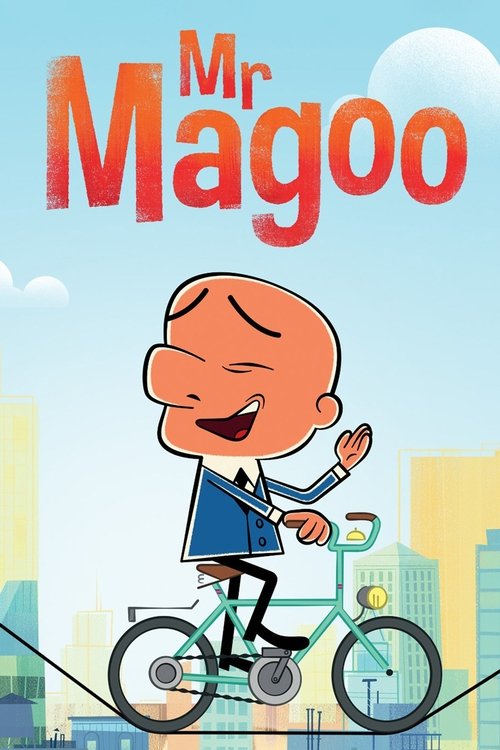




What is the ending?
The ending of the TV show "Munch" sees the main character, Munch, facing the consequences of his actions throughout the series. He grapples with personal and professional challenges, ultimately leading to a resolution that reflects his growth and the impact of his relationships. The series concludes with Munch making a significant decision that shapes his future, while other characters also find their paths, some facing closure and others embarking on new journeys.
In a more detailed narrative, the final scenes of "Munch" unfold with a palpable tension as Munch stands at a crossroads in his life. The episode opens with him reflecting on the choices he has made, the relationships he has nurtured, and those he has strained. The camera captures his furrowed brow and the weight of his thoughts, emphasizing his internal conflict.
Scene by scene, we see Munch in his office, surrounded by files and case notes, the remnants of his work as a detective. He receives a call that pulls him back into the fray, a case that has personal stakes. The urgency in his voice reveals his determination to make things right, not just for himself but for those he cares about. As he rushes out, the audience can feel the adrenaline coursing through him, a mix of fear and hope.
The next scene shifts to a confrontation with a key antagonist, a figure from his past who embodies the chaos Munch has been trying to escape. The tension is thick as they exchange heated words, each line laden with the history of their conflict. Munch's resolve is tested, and the emotional stakes are high. He stands firm, showcasing his growth as he refuses to back down, illustrating his journey from a man plagued by doubt to one who is ready to face his demons.
As the climax unfolds, Munch's allies rally around him, showcasing the bonds he has forged throughout the series. Their support is a testament to his character development, highlighting the importance of community and trust. The scene is charged with emotion as they work together to resolve the crisis, each character playing a pivotal role in the outcome.
In the aftermath, the resolution brings a sense of closure. Munch stands outside, the sun setting behind him, casting a warm glow that symbolizes new beginnings. He reflects on the choices he has made, the people he has lost, and those he has saved. The camera lingers on his face, capturing a mix of relief and determination as he contemplates his future.
The final moments of the series show Munch making a significant decision about his career and personal life. He chooses to embrace a new path, one that aligns with his values and the lessons he has learned. The scene fades out as he walks away, a sense of purpose in his stride, leaving behind the chaos of his past.
Other characters also find their resolutions. Some move on to new opportunities, while others confront their own challenges, reflecting the series' themes of growth and redemption. Each character's fate is intertwined with Munch's journey, emphasizing the impact of relationships and the choices we make.
In the end, "Munch" concludes with a sense of hope and possibility, leaving the audience with a lasting impression of the characters' growth and the complexities of their lives.
Is there a post-credit scene?
The TV show "Munch," produced in 2016, does not feature a post-credit scene. The series, which revolves around the life of a quirky and unconventional lawyer, focuses on the various cases and personal challenges faced by the protagonist, Munch, and her team. Each episode concludes with a resolution to the case at hand, but there are no additional scenes or content presented after the credits roll. The storytelling is contained within the episodes, emphasizing character development and the intricacies of the legal world without extending into post-credit narratives.
What are the main character's motivations throughout the series?
The main character, a seasoned detective, is driven by a deep sense of justice and a personal quest for redemption stemming from a past case that haunts him. His internal struggles often lead him to make morally ambiguous decisions, reflecting his desire to protect the innocent while grappling with his own demons.
How do the supporting characters influence the main plot?
Supporting characters, including family members and colleagues, provide critical emotional context and motivation for the detective. Their interactions often highlight the personal stakes involved in the cases, adding layers to the narrative as the detective navigates his professional and personal life.
What significant events lead to character development in the series?
Key events, such as a high-stakes hostage situation and a betrayal from within the department, serve as catalysts for character development. These moments force the detective to reevaluate his methods and relationships, ultimately leading to significant growth and a clearer understanding of his role in the pursuit of justice.
What role does the antagonist play in the detective's journey?
The antagonist serves as a mirror to the detective, embodying the chaos and moral ambiguity that the detective seeks to combat. Their encounters are charged with tension, revealing the detective's vulnerabilities and pushing him to confront his own beliefs about justice and morality.
How does the relationship between the detective and his partner evolve?
Initially, the relationship between the detective and his partner is strained, marked by distrust and differing approaches to law enforcement. As they face various challenges together, their bond deepens, leading to mutual respect and a strong partnership built on shared experiences and emotional support.
Is this family friendly?
"Munch," produced in 2016, is a dark comedy that revolves around the life of a family dealing with the aftermath of a tragic event. While it has humorous elements, it also contains themes and scenes that may not be suitable for children or sensitive viewers.
-
Death and Grief: The show deals with the impact of a family member's death, which is a central theme. Scenes depicting grief can be emotionally heavy and may be upsetting for younger audiences.
-
Dark Humor: The humor often leans towards the macabre, which might not resonate well with all viewers. Jokes about death or misfortune could be considered inappropriate for children.
-
Family Conflict: There are moments of intense family conflict and arguments that may be distressing, showcasing dysfunctional relationships and emotional turmoil.
-
Mature Themes: The show touches on themes of loss, betrayal, and existential crises, which may be complex and difficult for younger viewers to understand.
-
Language and Adult Situations: There may be instances of strong language and adult situations that are not suitable for a younger audience.
Overall, while "Munch" has comedic elements, its exploration of darker themes and emotional depth may not make it family-friendly.