













Popular
What motivates the main character, Cadu, to take on the challenges he faces throughout the series?
How does Cadu's relationship with his family evolve during the series?
What role does the character of the antagonist play in Cadu's journey?
How does the setting influence the plot and character development in One Against All?
What are the key turning points in Cadu's quest for justice?
Should I watch it?
Ask Your Own Question

What is the plot?
In the beginning of "One Against All," we are introduced to the protagonist, a man named Pedro, who is a devoted family man living a seemingly normal life. He works as a mechanic and is shown to have a close relationship with his wife, Clara, and their young daughter. The story takes a dark turn when Pedro is wrongfully accused of a crime he did not commit. The police raid his home, arrest him, and he is taken away, leaving his family in shock and despair.
As Pedro is processed in the prison system, he struggles to adapt to the harsh realities of incarceration. He faces hostility from other inmates and the guards, who are indifferent to his plight. During this time, he learns that the evidence against him is fabricated, but he feels powerless to change his situation. His internal conflict grows as he grapples with feelings of anger, betrayal, and desperation to clear his name and return to his family.
Meanwhile, Clara is left to fend for herself and their daughter. She begins to investigate the circumstances surrounding Pedro's arrest, determined to uncover the truth. Clara's journey leads her to discover that a powerful drug lord, who has connections to corrupt police officers, is behind the framing of Pedro. This revelation intensifies her resolve to fight for her husband's freedom.
As Pedro endures the brutal life in prison, he befriends a fellow inmate named Ricardo, who becomes a mentor figure. Ricardo teaches Pedro how to navigate the dangerous environment and helps him build a reputation among the inmates. Pedro's character begins to evolve as he learns to stand up for himself, but he remains focused on his ultimate goal of proving his innocence.
Clara's investigation leads her to confront the corrupt police officers involved in the case. She gathers evidence and documents that could potentially exonerate Pedro. However, her actions put her in danger, as the drug lord's men begin to take notice of her inquiries. Clara faces threats and intimidation, but her determination only grows stronger.
In a pivotal moment, Pedro learns about Clara's efforts and the danger she is in. This knowledge fuels his desire to escape from prison. He devises a plan with Ricardo and a few trusted inmates to break out. The escape sequence is tense and meticulously planned. They create a diversion during a prison riot, using the chaos to their advantage. Pedro and his group navigate through the prison, avoiding guards and other inmates, showcasing their resourcefulness and desperation.
Once outside, Pedro is faced with the harsh reality of the world beyond prison walls. He reunites with Clara, but their joy is short-lived as they realize the drug lord's men are still pursuing them. They go on the run, trying to stay one step ahead of their pursuers. The couple's bond is tested as they navigate the dangers of their new life, constantly looking over their shoulders.
As they seek refuge, Pedro and Clara work together to gather the evidence needed to bring down the drug lord and the corrupt police officers. They meet with allies who can help them, including a journalist who is willing to expose the truth. Tension builds as they prepare to confront the drug lord, knowing that their lives are at stake.
In the climax of the story, Pedro and Clara confront the drug lord in a dramatic showdown. The confrontation is fraught with danger, as they are outnumbered and outgunned. Pedro's determination to protect his family drives him to fight back fiercely. The scene is intense, with physical confrontations and narrow escapes, showcasing Pedro's transformation from a wrongfully accused man to a fierce protector.
Ultimately, they manage to gather enough evidence to bring the drug lord and the corrupt officers to justice. The final scenes depict the aftermath of their struggle, with Pedro finally being exonerated and reunited with his family. The emotional weight of their journey is palpable as they reflect on the trials they faced and the strength of their love that helped them overcome the odds. The story concludes with a sense of hope and resilience, as they look forward to rebuilding their lives together.
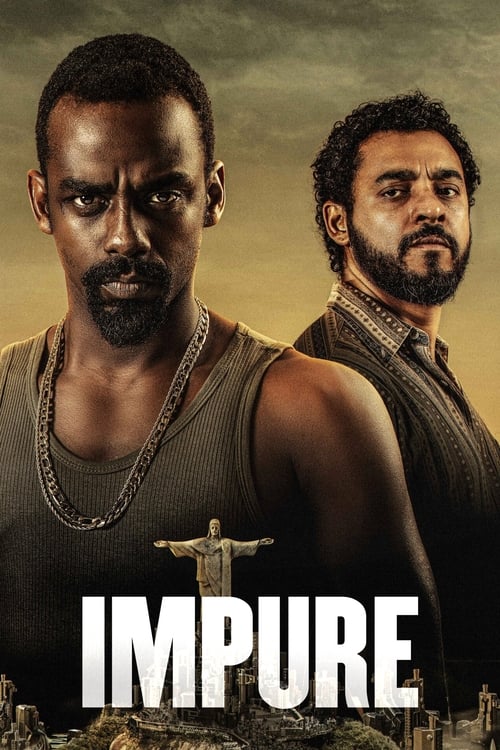








What is the ending?
In the ending of "One Against All," the protagonist, a man named Cadu, faces the culmination of his struggles against a corrupt system. After a series of intense confrontations, he ultimately finds himself in a position where he must confront the consequences of his actions and the impact they have had on his family and friends. The story concludes with a sense of resolution, albeit bittersweet, as Cadu's fight for justice leads to significant personal sacrifices.
As the final act unfolds, we see Cadu standing in a dimly lit room, the weight of his choices heavy on his shoulders. The air is thick with tension as he reflects on the journey that has brought him to this moment. Flashbacks of his earlier life, filled with hope and dreams, contrast sharply with the grim reality he now faces. The camera lingers on his face, capturing the turmoil within him--his determination to fight for what is right battling against the despair of losing everything he holds dear.
In the next scene, Cadu confronts the antagonist, a powerful figure who embodies the corruption he has been fighting against. The confrontation is charged with emotion, as Cadu lays bare the injustices he has witnessed and the pain inflicted on his loved ones. The dialogue is sharp, each word a testament to his resolve. As the tension escalates, the stakes become clear: Cadu must choose between continuing his fight or protecting his family from further harm.
The climax reaches its peak when Cadu makes a pivotal decision. He chooses to expose the truth, risking everything for the sake of justice. The scene is filled with a sense of urgency as he gathers evidence and prepares to go public. His heart races, and the fear of retribution looms large, but he knows that this is the only way to honor the sacrifices made by those who have supported him.
In the final moments, Cadu's actions lead to a public revelation of the corruption that has plagued his community. The fallout is immediate and intense, with the antagonist facing legal consequences. However, the victory is bittersweet. Cadu's family is left to deal with the repercussions of his choices, and the emotional toll is evident on their faces. His partner, who has stood by him throughout his struggles, looks at him with a mixture of pride and sorrow, understanding the cost of his fight.
As the credits roll, we see Cadu walking away from the chaos, a solitary figure against the backdrop of a city that is slowly beginning to change. The camera captures his silhouette, a man who has fought against all odds but at a great personal cost. The final shot lingers on his face, a blend of hope and resignation, leaving the audience to ponder the true meaning of justice and sacrifice.
In summary, the ending of "One Against All" encapsulates the struggle between personal integrity and the harsh realities of a corrupt world, highlighting the sacrifices made by those who dare to stand up for what is right. Cadu's journey is one of resilience, but it also serves as a poignant reminder of the complexities of fighting against systemic injustice.
Is there a post-credit scene?
In the 2016 series "One Against All," there is no post-credit scene. The show concludes its narrative without any additional scenes after the credits roll. The final moments of the series focus on the resolution of the main character's struggles and the emotional weight of their journey, leaving viewers with a sense of closure regarding the story arcs presented throughout the series. The absence of a post-credit scene emphasizes the finality of the character's experiences and the themes explored in the show.
What motivates the main character, Cadu, to take on the challenges he faces throughout the series?
Cadu is driven by a deep sense of justice and a desire to protect his family. His internal conflict stems from the need to balance his moral compass with the harsh realities of the criminal world he finds himself in. As he navigates through betrayals and threats, his determination to clear his name and seek revenge for the injustices done to him fuels his actions.
How does Cadu's relationship with his family evolve during the series?
Cadu's relationship with his family is strained due to the circumstances surrounding his wrongful imprisonment. Initially, there is a palpable tension as his loved ones grapple with the stigma of his situation. However, as the series progresses, moments of vulnerability and shared struggles lead to a deeper understanding and reconciliation, showcasing the emotional weight of familial bonds amidst chaos.
What role does the character of the antagonist play in Cadu's journey?
The antagonist serves as a catalyst for Cadu's transformation. Their confrontations are not just physical but also psychological, pushing Cadu to confront his own fears and limitations. The antagonist embodies the corruption and moral decay of the world Cadu is fighting against, making their rivalry deeply personal and driving Cadu to evolve from a victim to a fighter.
How does the setting influence the plot and character development in One Against All?
The gritty urban landscape serves as a backdrop that reflects the chaos and danger surrounding Cadu's life. The contrasting environments, from the claustrophobic prison cells to the bustling streets filled with crime, amplify the tension and urgency of Cadu's quest for justice. This setting not only shapes the narrative but also influences character interactions, highlighting the desperation and resilience of those trapped within it.
What are the key turning points in Cadu's quest for justice?
Key turning points include Cadu's initial realization of the conspiracy against him, which ignites his quest for truth. Another significant moment is when he forms unexpected alliances with other inmates, which shifts his perspective on trust and loyalty. The climax occurs when Cadu confronts the antagonist, leading to a revelation that changes the course of his fight, ultimately defining his path towards redemption.
Is this family friendly?
"One Against All," produced in 2016, is a Brazilian drama series that delves into intense themes and complex emotional narratives. While it offers a gripping storyline, it may not be considered family-friendly due to several potentially objectionable or upsetting aspects.
-
Violence and Crime: The series features scenes of violence, including confrontations and criminal activities that may be distressing for younger viewers.
-
Emotional Turmoil: Characters experience significant emotional struggles, including betrayal, loss, and despair, which could be heavy for sensitive audiences.
-
Themes of Injustice: The narrative explores themes of injustice and corruption, which may be unsettling, particularly for children who may not fully grasp these concepts.
-
Mature Language: The dialogue includes strong language and adult themes that may not be suitable for younger audiences.
-
Family Conflict: The series portrays intense family dynamics and conflicts that could be upsetting, especially for children who may relate to familial relationships.
Overall, the emotional depth and mature themes present in "One Against All" suggest that it may be more appropriate for older teens and adults rather than younger children.