



Popular
Who are the main contestants in Junior MasterChef Chile 2016?
What challenges do the contestants face in Junior MasterChef Chile 2016?
How do the judges evaluate the contestants in Junior MasterChef Chile 2016?
What are some memorable dishes created by the contestants in Junior MasterChef Chile 2016?
What personal stories do the contestants share during Junior MasterChef Chile 2016?
Should I watch it?
Ask Your Own Question

What is the plot?
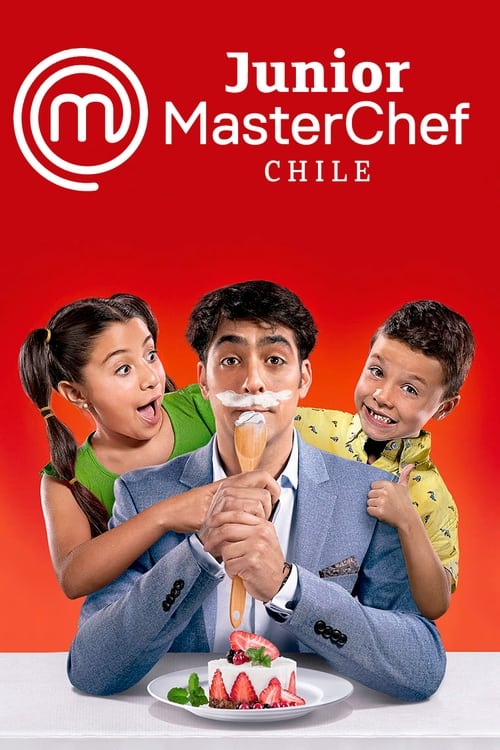
Junior MasterChef Chile, produced in 2016, begins with a vibrant opening that introduces the young contestants, all aspiring chefs aged between 8 and 13. The excitement is palpable as they arrive at the MasterChef kitchen, a state-of-the-art facility filled with gleaming utensils and ingredients. The judges, renowned chefs, greet the children, explaining the competition's structure and the challenges they will face.
In the first episode, the contestants participate in a series of auditions where they showcase their culinary skills. Each child presents a signature dish that reflects their personality and background. The judges taste each dish, providing feedback that ranges from praise to constructive criticism. The emotional stakes are high as some children express their dreams of becoming chefs, while others struggle with nerves. Ultimately, a select group is chosen to move forward in the competition, while others are sent home, leading to tears and disappointment.
As the competition progresses, the contestants face their first major challenge: a mystery box challenge. They are given a variety of ingredients and must create a dish within a limited time. The pressure mounts as the clock ticks down, and the children scramble to execute their ideas. Some contestants shine, impressing the judges with their creativity and technique, while others falter under the stress. The judges deliberate and announce the top dishes, rewarding the best performers with immunity in the next round.
In subsequent episodes, the challenges become increasingly complex. One notable challenge involves a team cooking task where the contestants are divided into pairs. They must work together to prepare a three-course meal for a group of guests. This task tests not only their cooking skills but also their ability to collaborate and communicate effectively. Tensions rise as disagreements occur, but some pairs manage to find harmony, resulting in beautifully executed dishes that earn praise from the judges.
Another significant challenge features a "family recipe" theme, where contestants must recreate a dish that holds personal significance. The emotional weight of this task is evident as the children share stories about their families and the memories tied to their recipes. The judges are moved by the heartfelt connections, and the dishes reflect the love and tradition behind them. This challenge highlights the contestants' backgrounds and deepens the audience's connection to their stories.
As the competition narrows down, the stakes become higher. Contestants face elimination challenges that test their skills under pressure. One such challenge involves a timed dessert task where they must create intricate pastries. The tension in the kitchen is palpable as the clock counts down, and the judges observe closely. Some contestants struggle with the technical aspects, leading to mistakes that could cost them their place in the competition.
The emotional rollercoaster continues as contestants form friendships and rivalries. The camaraderie among the children is heartwarming, but the competitive nature of the show leads to moments of jealousy and tension. As eliminations occur, the remaining contestants grapple with the fear of going home, which adds to the emotional intensity of the competition.
In the penultimate episodes, the remaining contestants face a series of high-stakes challenges that push their culinary skills to the limit. They are tasked with creating dishes that reflect various international cuisines, showcasing their versatility as chefs. The judges are impressed by the growth and maturity of the contestants, noting how they have evolved throughout the competition.
The finale arrives, and the atmosphere is electric. The final two contestants are revealed, each having demonstrated exceptional talent and resilience. They face off in a grand cook-off, where they must prepare a three-course meal that will impress the judges and a live audience. The pressure is immense, and both contestants pour their hearts into their dishes, showcasing their unique styles and flavors.
As the judges taste the final dishes, the tension builds. They deliberate, weighing the strengths and weaknesses of each meal. The emotional stakes are high, with both contestants visibly anxious about the outcome. Finally, the judges announce the winner of Junior MasterChef Chile, celebrating the journey and growth of all the contestants. The winner is crowned, and the emotional reactions from both the victor and the runner-up highlight the spirit of the competition, emphasizing the friendships formed and the experiences shared throughout the season.






What is the ending?
In the finale of Junior MasterChef Chile 2016, the competition culminates with the final two contestants, Benjamín and Florencia, battling it out in a high-stakes cook-off. After a series of intense challenges, the judges, including renowned chefs, taste their dishes and ultimately declare Benjamín the winner, awarding him the title of Junior MasterChef. Florencia, while not the winner, receives praise for her culinary skills and creativity, marking her journey as a significant achievement.
As the final episode unfolds, the atmosphere is charged with excitement and tension. The camera pans over the beautifully decorated kitchen, where the final two contestants, Benjamín and Florencia, stand side by side, their faces a mix of determination and nervous anticipation. The judges, including chef Ennio Carota, chef Carolina Bazán, and chef Chris Carpentier, enter the room, their expressions serious yet encouraging.
Scene 1: The Final Challenge Announcement The judges announce the final challenge: each contestant must prepare a three-course meal that showcases their culinary skills and personal style. The stakes are high, and both Benjamín and Florencia feel the weight of the moment. Benjamín, a confident and passionate young chef, is determined to prove himself, while Florencia, known for her creativity and flair, is equally eager to impress.
Scene 2: Preparation Time As the clock starts ticking, the contestants rush to gather their ingredients. Benjamín chooses to prepare a classic dish with a modern twist, while Florencia opts for a more adventurous approach, incorporating unique flavors and techniques. The camera captures their focused expressions, highlighting their dedication and the pressure they feel. Benjamín's internal motivation is clear; he wants to honor his family's support and show that he can achieve his dreams. Florencia, on the other hand, is driven by her desire to express herself through food and to inspire others.
Scene 3: Cooking Under Pressure The kitchen is filled with the sounds of sizzling pans and the aroma of fresh ingredients. Both contestants work diligently, occasionally glancing at the clock, which serves as a constant reminder of the time constraint. Benjamín's confidence shines through as he expertly navigates his cooking process, while Florencia faces moments of doubt, questioning her choices but ultimately pushing through with determination.
Scene 4: The Tasting As the time runs out, both contestants present their dishes to the judges. The tension in the air is palpable as the judges take their first bites. Benjamín's dish is a beautifully plated representation of his culinary journey, while Florencia's dish bursts with creativity and flavor. The judges deliberate, and the camera captures the contestants' anxious expressions, their hopes hanging in the balance.
Scene 5: The Announcement Finally, the moment arrives. The judges gather the contestants and announce the winner. With a mix of excitement and nervousness, Benjamín is declared the Junior MasterChef. His face lights up with joy, and he embraces his family, who have been cheering him on throughout the competition. Florencia, though disappointed, receives heartfelt praise from the judges for her remarkable talent and creativity. She smiles through her tears, proud of her journey and the skills she has developed.
Scene 6: Conclusion and Reflections As the episode concludes, the camera captures both contestants reflecting on their experiences. Benjamín expresses gratitude for the opportunity and the support he received, while Florencia acknowledges the growth she has experienced throughout the competition. The show ends on a hopeful note, emphasizing the importance of passion, perseverance, and the joy of cooking, leaving viewers inspired by the journeys of both young chefs.
Is there a post-credit scene?
In the 2016 season of Junior MasterChef Chile, there are no post-credit scenes. The show focuses on the culinary journey of young contestants as they showcase their cooking skills through various challenges. Each episode concludes with the judges providing feedback and eliminating contestants, leading to emotional farewells and celebrations. The format emphasizes the growth and development of the children throughout the competition, but it does not include any additional scenes after the credits. The focus remains on the cooking challenges and the heartfelt moments shared among the contestants and judges.
Who are the main contestants in Junior MasterChef Chile 2016?
The main contestants in Junior MasterChef Chile 2016 include a diverse group of talented young chefs, each with their unique backgrounds and culinary skills. Notable contestants include 12-year-old Valentina, who is known for her creativity and passion for baking, and 11-year-old Mateo, who impresses the judges with his technical skills and flavor combinations. Other contestants like 10-year-old Antonia and 13-year-old Joaquín also stand out for their distinct cooking styles and personal stories.
What challenges do the contestants face in Junior MasterChef Chile 2016?
Throughout the season, contestants face a variety of challenges designed to test their culinary skills and creativity. These include mystery box challenges where they must create a dish using a limited selection of ingredients, team challenges that require collaboration and communication, and pressure tests that push their abilities to the limit. Each challenge is crafted to reveal not only their cooking prowess but also their ability to handle stress and think on their feet.
How do the judges evaluate the contestants in Junior MasterChef Chile 2016?
The judges in Junior MasterChef Chile 2016, including renowned chef Ennio Carota, evaluate contestants based on several criteria: taste, presentation, creativity, and technique. They provide constructive feedback, often highlighting the strengths and weaknesses of each dish. The emotional reactions of the judges, ranging from delight to disappointment, play a significant role in the contestants' experiences, influencing their motivation and determination to improve.
What are some memorable dishes created by the contestants in Junior MasterChef Chile 2016?
Throughout the competition, contestants create a range of memorable dishes that showcase their culinary talents. For instance, Valentina's chocolate lava cake garnished with fresh berries becomes a standout moment, impressing the judges with its rich flavor and perfect texture. Mateo's innovative seafood risotto, infused with local spices, also receives high praise, demonstrating his ability to blend traditional and modern cooking techniques.
What personal stories do the contestants share during Junior MasterChef Chile 2016?
As the competition progresses, contestants share personal stories that reveal their motivations and backgrounds. For example, Antonia shares her journey of cooking with her grandmother, which inspires her love for traditional Chilean dishes. Joaquín opens up about overcoming challenges in his life, using cooking as a form of expression and healing. These narratives add depth to their characters, allowing viewers to connect with them on a more emotional level.
Is this family friendly?
"Junior MasterChef Chile," produced in 2016, is generally considered family-friendly, as it features young contestants showcasing their culinary skills in a competitive environment. However, there are a few aspects that might be potentially objectionable or upsetting for children or sensitive viewers:
-
Competition Pressure: The intense competition can create moments of stress and anxiety for the young contestants, which may be difficult for some viewers to watch.
-
Emotional Reactions: Contestants may experience disappointment or sadness when they face elimination or do not meet their own expectations, leading to emotional outbursts that could be upsetting.
-
Judging Critiques: The judges provide feedback that can be harsh or critical, which might be challenging for younger viewers to process, especially if they are sensitive to criticism.
-
Time Constraints: The pressure of cooking within strict time limits can lead to frantic moments, which may be stressful to watch.
-
Food Waste: There are instances where dishes do not turn out as planned, leading to food being discarded, which could be concerning for viewers who are sensitive to issues of waste.
Overall, while the show promotes creativity and skill in cooking, the competitive nature and emotional stakes may present challenges for some children or sensitive viewers.