








Popular
What are the key moments that lead to Bernie Madoff's arrest?
What motivated Bernie Madoff to commit fraud despite his initial success?
How does Ruth Madoff react to the revelations of her husband's crimes?
What role do the Madoff sons play in the unfolding scandal?
How does the series depict the impact of Madoff's scheme on his investors?
Should I watch it?
Ask Your Own Question

What is the plot?
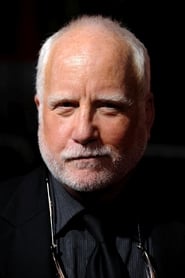
The miniseries "Madoff" opens in the late 2000s, focusing on Bernie Madoff, portrayed by Richard Dreyfuss, as he navigates the financial world with a facade of success. The story begins with Madoff at the height of his career, running a prestigious investment firm. He is seen hosting lavish parties and interacting with wealthy clients, showcasing his charm and confidence. However, there are hints of underlying tension as he struggles with the pressure of maintaining his operation.
As the narrative unfolds, we see Madoff's family dynamics, particularly his relationship with his wife, Ruth, played by Blythe Danner, and his sons, Andrew and Mark. The family is depicted as being deeply involved in Madoff's life, with Ruth often oblivious to the darker aspects of his business. The sons, however, begin to sense that something is amiss, especially as they witness the stress their father is under.
The story shifts to the early 2000s, where Madoff's firm is increasingly facing scrutiny from regulators and investors. A pivotal moment occurs when a whistleblower, Harry Markopolos, attempts to alert the Securities and Exchange Commission (SEC) about Madoff's suspicious activities. Markopolos presents evidence that Madoff's returns are too consistent and implausible, but the SEC fails to take action, dismissing his claims. This moment highlights the systemic failures that allow Madoff to continue his scheme.
As the financial crisis of 2008 unfolds, Madoff's Ponzi scheme begins to unravel. Investors, panicked by the market downturn, rush to withdraw their funds. Madoff, desperate to maintain the illusion of profitability, struggles to meet these withdrawal demands. He is seen frantically trying to manage the situation, making increasingly risky decisions to keep his operation afloat.
In a critical scene, Madoff confesses to his sons that he has been running a Ponzi scheme. This revelation occurs in a tense family meeting where the weight of his deception crashes down on them. Andrew and Mark are devastated, grappling with feelings of betrayal and disbelief. Madoff tries to justify his actions, claiming he never intended to hurt anyone, but his sons are left reeling from the truth.
Following the confession, Madoff is arrested by federal agents. The scene is charged with emotion as he is taken away from his family, who are left to deal with the fallout of his actions. The media frenzy surrounding his arrest is depicted, showcasing the public's shock and outrage at the scale of the fraud.
As the trial begins, the narrative delves into the legal proceedings against Madoff. He faces numerous charges, including securities fraud and investment advisor fraud. The courtroom scenes are intense, with Madoff maintaining a stoic demeanor while the prosecution lays out the devastating impact of his actions on thousands of investors. The emotional toll on his family is palpable, as they struggle with the shame and stigma associated with his crimes.
In the final episodes, Madoff is ultimately convicted and sentenced to 150 years in prison. The series concludes with a poignant reflection on the aftermath of his actions, showing the devastation left in the wake of his deceit. Ruth is depicted as grappling with her loss and the shattered remnants of her life, while Andrew and Mark are left to pick up the pieces of their family legacy. The emotional weight of the story culminates in a powerful exploration of trust, betrayal, and the consequences of greed.





What is the ending?
In the ending of the 2016 miniseries "Madoff," Bernie Madoff is sentenced to 150 years in prison for orchestrating one of the largest Ponzi schemes in history. His family is left shattered, with his sons, Andrew and Mark, struggling to cope with the fallout. Mark ultimately takes his own life, unable to bear the weight of the scandal and its impact on their family. Ruth Madoff, Bernie's wife, is left to navigate a life without him, grappling with the loss of her family and the public disgrace. The series concludes with a somber reflection on the devastation caused by Madoff's actions, highlighting the personal and financial ruin experienced by countless victims.
As the final episodes unfold, the tension escalates, leading to the inevitable unraveling of Bernie Madoff's empire.
Scene 1: The courtroom is filled with a palpable tension as Bernie Madoff stands before the judge. The camera captures the somber expressions of the victims, their faces etched with pain and disbelief. Bernie, dressed in a prison jumpsuit, appears stoic, yet there is a flicker of vulnerability in his eyes. The judge delivers the sentence: 150 years in prison. The weight of the moment hangs heavy in the air, and the camera pans to the victims, some in tears, others shaking their heads in disbelief.
Scene 2: The narrative shifts to the Madoff family home, where Ruth Madoff sits alone, surrounded by the remnants of a life that once was. The walls echo with memories of laughter and success, now overshadowed by betrayal and loss. Ruth's internal struggle is palpable; she grapples with her love for Bernie and the devastation he has wrought. The camera lingers on her face, capturing the tears that fall as she realizes the extent of their downfall.
Scene 3: The focus turns to Andrew and Mark Madoff, who are depicted in a state of turmoil. They are seen in various locations, trying to navigate their new reality. Andrew, filled with anger and resentment towards his father, confronts Bernie in prison, demanding answers. The emotional confrontation is charged with years of pent-up frustration. Bernie, in a moment of vulnerability, tries to explain his actions, but Andrew is unconvinced, feeling betrayed by the man he once idolized.
Scene 4: The narrative takes a tragic turn as Mark Madoff is shown struggling with the weight of the scandal. He is depicted in a series of scenes where he attempts to maintain a semblance of normalcy, but the pressure becomes unbearable. The camera captures his isolation, the phone calls from reporters, and the whispers of judgment from the public. In a heartbreaking moment, Mark is seen in his apartment, where he ultimately takes his own life, leaving behind a note that reflects his despair.
Scene 5: The series concludes with Ruth Madoff attending a public event, where she is met with hostility and scorn. The camera captures her as she walks through the crowd, her face a mask of sorrow and shame. She is a woman stripped of her identity, grappling with the loss of her family and the life she once knew. The final shot lingers on her face, a haunting reminder of the personal cost of Bernie's actions.
In the end, the series paints a stark picture of the consequences of greed and deception, leaving viewers with a profound sense of the human toll behind the financial scandal. Each character is left to confront their own demons, with Bernie imprisoned, Ruth isolated, and the Madoff legacy forever tarnished.
Is there a post-credit scene?
The 2016 miniseries "Madoff" does not include a post-credit scene. The series concludes with a powerful final episode that encapsulates the downfall of Bernie Madoff and the impact of his Ponzi scheme on his family and investors. The narrative wraps up with a focus on the emotional turmoil faced by Madoff's sons, particularly Andrew and Mark, as they grapple with the betrayal and the consequences of their father's actions. The absence of a post-credit scene allows the weight of the story to linger, emphasizing the tragic fallout of Madoff's deceit without any additional commentary or closure.
What are the key moments that lead to Bernie Madoff's arrest?
The series builds tension leading to Madoff's arrest through a series of escalating events, including mounting investor withdrawals and the scrutiny from regulatory bodies. Key moments include Bernie's frantic attempts to cover up his scheme, the conversations with his family about the impending collapse, and the eventual confrontation with law enforcement, culminating in a dramatic and emotional arrest scene.
What motivated Bernie Madoff to commit fraud despite his initial success?
Bernie Madoff, portrayed by Richard Dreyfuss, is depicted as a complex character driven by a mix of ambition, fear of failure, and a desire to maintain his lavish lifestyle. As the pressure mounts from investors and the financial world, his internal conflict grows, leading him to rationalize his fraudulent actions as a means of survival.
How does Ruth Madoff react to the revelations of her husband's crimes?
Ruth Madoff, played by Blythe Danner, experiences a tumultuous emotional journey upon discovering the extent of Bernie's deceit. Initially in denial, she grapples with feelings of betrayal and confusion, ultimately feeling isolated and devastated as her world crumbles around her, showcasing her deep love for Bernie despite his actions.
What role do the Madoff sons play in the unfolding scandal?
Andrew and Mark Madoff, portrayed by actors who capture their youthful idealism and later despair, are shown as deeply affected by their father's actions. They initially support him, believing in his innocence, but as the truth emerges, they face intense public scrutiny and personal turmoil, leading to tragic consequences for their family.
How does the series depict the impact of Madoff's scheme on his investors?
The series vividly illustrates the emotional and financial devastation faced by Madoff's investors, showcasing scenes of despair, anger, and disbelief. Individuals are portrayed losing their life savings, with poignant moments highlighting their struggles, such as a retired couple facing homelessness and a woman who loses her family's legacy, emphasizing the human cost of Madoff's fraud.
Is this family friendly?
The TV show "Madoff," produced in 2016, is not considered family-friendly due to its mature themes and content. Here are some potentially objectionable or upsetting aspects that may affect children or sensitive viewers:
-
Financial Crime and Deception: The series delves into the intricacies of financial fraud, showcasing the emotional and psychological toll it takes on victims and their families. This may be distressing for younger viewers.
-
Emotional Turmoil: Characters experience significant emotional distress, including anxiety, betrayal, and despair, particularly as the consequences of the fraud unfold. These intense emotional scenes may be upsetting.
-
Family Conflict: The show portrays strained family relationships, particularly between Bernie Madoff and his sons, which can be heavy and emotionally charged.
-
Suicide: There is a depiction of suicide within the context of the fallout from the financial scandal, which can be particularly triggering for sensitive viewers.
-
Legal and Ethical Dilemmas: The series explores complex moral questions surrounding greed, trust, and betrayal, which may be difficult for younger audiences to fully grasp.
-
Depictions of Loss: The impact of Madoff's actions leads to significant financial loss for many individuals, which is portrayed through emotional scenes of grief and despair.
Overall, the show deals with serious themes that may not be suitable for children or those who are sensitive to such topics.