
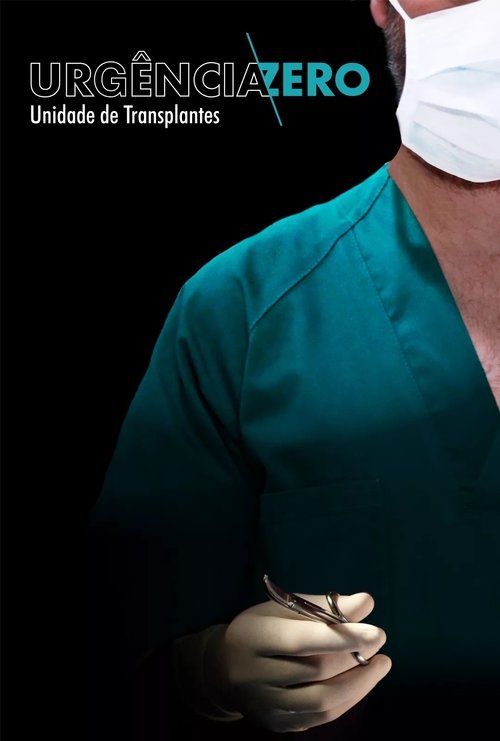






Popular
What challenges does the main character face in their personal life throughout the series?
How does the character of Dr. Ana evolve over the course of the series?
What is the significance of the relationship between Dr. Javier and Dr. Ana?
What specific incidents highlight the high-stakes nature of the emergency room in Urxencia cero?
How do the supporting characters contribute to the main narrative in Urxencia cero?
Should I watch it?
Ask Your Own Question

What is the plot?
In the opening scene of "Urxencia cero," we are introduced to the bustling emergency room of a hospital in Santiago, Chile. The camera pans through the chaotic environment, showcasing doctors and nurses attending to various patients. The protagonist, Dr. Ana María, is seen rushing through the corridors, her face a mix of determination and exhaustion. She is dedicated to her work, but the pressure of the emergency room weighs heavily on her.
As the day progresses, a major incident occurs when a bus accident brings in multiple casualties. The emergency team springs into action, with Dr. Ana María leading the charge. She quickly assesses the situation, prioritizing patients based on the severity of their injuries. The tension rises as they struggle to manage the influx of patients, and we see the emotional toll it takes on the staff, particularly on Ana María, who feels the weight of every life she must save.
During the chaos, a young boy named Mateo is brought in, critically injured. Ana María's maternal instincts kick in as she fights to stabilize him. Flashbacks reveal her own struggles with motherhood, hinting at a past loss that fuels her determination to save Mateo. The emotional stakes are high, and the audience feels her desperation as she navigates the challenges of the emergency room.
As the day continues, we are introduced to Dr. Felipe, a new resident who is eager but inexperienced. He makes a critical mistake while treating a patient, leading to complications. Ana María confronts him, expressing her frustration but also recognizing his potential. This moment highlights the mentorship dynamic between them, as she decides to guide him rather than reprimand him harshly.
The narrative takes a darker turn when a mysterious patient arrives, a man with a gunshot wound who refuses to disclose how he was injured. The hospital goes into lockdown as security concerns arise. Tensions escalate among the staff, and Ana María must navigate the fear and uncertainty while continuing to care for her patients. The atmosphere is thick with anxiety, and the audience can feel the palpable fear of the staff as they deal with the unknown threat.
As the night progresses, the gunshot victim's condition worsens, and Ana María is forced to make a difficult decision about whether to operate despite the risks involved. She weighs the potential consequences, both for the patient and for the hospital's safety. Ultimately, she chooses to proceed with the surgery, driven by her commitment to saving lives, even in the face of danger.
In a parallel storyline, we see the personal lives of the staff unfold. Ana María's relationship with her husband is strained due to her long hours and emotional distance. He expresses frustration over her dedication to work, leading to a confrontation that reveals their underlying issues. This subplot adds depth to Ana María's character, showcasing her internal conflict between her professional responsibilities and her personal life.
As the climax approaches, the gunshot victim's identity is revealed to be linked to a larger criminal organization. This revelation puts the hospital staff in jeopardy as they become targets. The tension reaches a boiling point when armed men storm the hospital, demanding the patient be released. The emergency room transforms into a battleground, and the staff must work together to protect their patients and themselves.
In a gripping sequence, Ana María and Felipe devise a plan to distract the intruders while securing the patients. They coordinate with the security team, using their knowledge of the hospital layout to create a diversion. The scene is filled with suspense as they navigate through the darkened hallways, hearts racing, knowing that every second counts.
The confrontation escalates as the armed men confront Ana María and Felipe. A standoff ensues, with Ana María using her medical authority to negotiate for the safety of her patients. Her bravery shines through as she stands her ground, showcasing her growth as a character. The tension is palpable, and the audience is on the edge of their seats as the situation unfolds.
In the aftermath of the confrontation, the hospital staff comes together to support one another. The emotional scars of the night linger, but there is a sense of camaraderie and resilience among them. Ana María reflects on her choices, both in her personal and professional life, and begins to find a balance between the two.
The series concludes with a sense of hope as Ana María embraces her role as a leader in the emergency room. She has grown through the challenges faced, and the final scenes depict her working alongside her colleagues, ready to face whatever comes next. The camera pulls back, showing the bustling hospital once more, a symbol of life, struggle, and the unwavering commitment of those who work within its walls.
More TV Shows Like This
Browse All TV Shows →


What is the ending?
In the ending of "Urxencia cero," the main characters face the culmination of their struggles as they confront personal and professional challenges. The series concludes with a dramatic emergency situation that tests their skills and resolve, leading to significant character developments and resolutions.
As the final episode unfolds, the emergency room is bustling with activity. Tensions run high as the staff deals with a major crisis involving multiple casualties from a car accident. Dr. Mónica, the dedicated and passionate protagonist, is at the forefront, coordinating the chaotic scene with a mix of urgency and compassion. Her leadership is put to the test as she navigates the emotional toll of the situation, balancing her professional duties with her personal feelings of fear and determination.
In a pivotal moment, Dr. Mónica encounters a young patient who reminds her of her own struggles and the fragility of life. This encounter deepens her resolve to save lives, showcasing her growth throughout the series. Meanwhile, Dr. Javier, her colleague and love interest, grapples with his own demons as he faces the consequences of past decisions. His character arc culminates in a moment of redemption as he steps up to assist Mónica, demonstrating his commitment to both his profession and their relationship.
As the emergency unfolds, the supporting characters also experience their own arcs. Nurse Clara, who has been a steadfast ally, finds her voice and stands up for her beliefs, advocating for the patients and pushing back against the bureaucracy that often hampers their work. Her bravery inspires others around her, highlighting the theme of teamwork and resilience.
The episode reaches its climax as the team works tirelessly to save the lives of the victims. The emotional weight of the situation is palpable, with moments of triumph and heartbreak interspersed throughout the chaos. Ultimately, they manage to stabilize the critical patients, but not without facing the harsh reality of loss. The final scenes depict the aftermath of the crisis, where the characters reflect on their experiences, solidifying their bonds and reaffirming their commitment to their calling.
In the closing moments, Dr. Mónica and Dr. Javier share a quiet moment together, acknowledging the challenges they have faced and the strength they have found in each other. Their relationship, once fraught with uncertainty, now stands as a testament to their growth and resilience. The series ends on a hopeful note, emphasizing the importance of compassion, teamwork, and the relentless pursuit of saving lives, leaving viewers with a sense of closure and inspiration.
Is there a post-credit scene?
In the TV show "Urxencia cero," produced in 2016, there is no post-credit scene. The series concludes its episodes without any additional scenes after the credits roll. The focus remains on the intense and dramatic narratives surrounding the medical emergencies faced by the characters, leaving no room for extra content after the main storylines are wrapped up. Each episode ends on a note that emphasizes the urgency and emotional weight of the situations the characters encounter, ensuring that viewers are left reflecting on the events rather than anticipating further scenes.
What challenges does the main character face in their personal life throughout the series?
The main character, Dr. Javier, grapples with the emotional toll of his job as an emergency doctor, which strains his relationships with his family and friends. He often finds himself torn between his dedication to saving lives and the need to be present for his wife and children, leading to feelings of guilt and isolation.
How does the character of Dr. Ana evolve over the course of the series?
Dr. Ana starts as a confident and ambitious young doctor, eager to prove herself in the high-pressure environment of the emergency room. As the series progresses, she faces numerous ethical dilemmas and personal losses that challenge her initial ideals, leading her to become more empathetic and reflective about her role in patient care.
What is the significance of the relationship between Dr. Javier and Dr. Ana?
The relationship between Dr. Javier and Dr. Ana serves as a central emotional thread in the series. Initially marked by professional rivalry, it evolves into a deep friendship as they support each other through personal and professional crises. Their bond highlights themes of trust, collaboration, and the importance of human connection in the face of adversity.
What specific incidents highlight the high-stakes nature of the emergency room in Urxencia cero?
Several intense incidents showcase the high-stakes environment, such as a multi-car accident that floods the ER with patients, forcing the team to make rapid decisions under pressure. Another pivotal moment occurs when a gunshot victim arrives, leading to a race against time to save their life, illustrating the emotional and physical demands placed on the medical staff.
How do the supporting characters contribute to the main narrative in Urxencia cero?
Supporting characters, such as the head nurse and the paramedics, play crucial roles in the narrative by providing comic relief, emotional support, and additional perspectives on the challenges faced in the emergency room. Their interactions with the main characters often reveal deeper insights into the pressures of the medical profession and the importance of teamwork.
Is this family friendly?
"Urxencia cero," produced in 2016, is a Spanish television series that revolves around the intense and often harrowing world of emergency medical services. While the show aims to depict the realities of emergency situations, it does contain elements that may not be suitable for all audiences, particularly children or sensitive viewers.
-
Graphic Medical Scenes: The series often portrays emergency medical procedures and trauma care, which can be quite graphic and intense. Scenes may include surgeries, resuscitations, and the aftermath of accidents, which could be distressing.
-
Emotional Trauma: Characters frequently deal with high-stress situations, including the loss of patients or the emotional toll of their work. This can lead to scenes of crying, despair, and emotional breakdowns that may be upsetting.
-
Violence and Accidents: The show includes depictions of violent incidents, such as car crashes, assaults, and other emergencies that can be shocking. The aftermath of these events often involves injured individuals, which can be disturbing.
-
Death and Grief: Themes of mortality are prevalent, with characters facing the death of patients or colleagues. The portrayal of grief and loss can be heavy and may resonate deeply with sensitive viewers.
-
Intense Personal Conflicts: The series explores personal relationships and conflicts among the medical staff, which can lead to heated arguments and emotional confrontations, potentially creating a tense atmosphere.
Overall, while "Urxencia cero" provides a gripping look at the life of emergency responders, its content may be challenging for younger audiences or those who are particularly sensitive to medical and emotional distress.







