










Popular
What role does the setting play in the events of Episode 9?
How does the character of Joris evolve in this episode?
What conflict arises between the main characters in Episode 9?
How do the relationships between the characters change in this episode?
What is the significance of the flashback scenes in Episode 9?
Should I watch it?
Ask Your Own Question

What is the plot?
In the opening scene of "Episode 9," the camera pans over a desolate landscape, setting a somber tone. The main character, Lotte, is seen sitting on a weathered bench in a park, her expression a mix of contemplation and sorrow. She is reflecting on the recent events that have unfolded in her life, particularly the fallout from her decision to confront her estranged father, which has left her feeling isolated. As she gazes at the empty swings, memories of her childhood flood back, intensifying her emotional turmoil.
The scene shifts to a bustling café where Lotte's friend, Sam, is meeting with a group of activists. They are discussing their plans for a protest against the local government's decision to demolish a community center. Sam is passionate and animated, urging everyone to take a stand. The group is energized, but there is an underlying tension as they debate the best approach to take. Sam's determination is palpable, and it becomes clear that he sees this protest as a chance to make a real difference, not just for the community but also to prove himself.
Meanwhile, Lotte receives a text from her mother, urging her to come home for a family gathering. Torn between her desire to reconnect and her fear of confrontation, Lotte hesitates. She confides in Sam about her mixed feelings, revealing her deep-seated issues with her father. Sam encourages her to face her fears, suggesting that it might be a step towards healing. Lotte ultimately decides to attend the gathering, motivated by a need for closure.
At the family gathering, the atmosphere is tense. Lotte's father, Hans, is visibly uncomfortable, avoiding eye contact with her. The conversation is strained, filled with awkward silences and forced pleasantries. Lotte's mother tries to mediate, but the tension escalates when Lotte confronts Hans about his absence during her childhood. Emotions run high as Hans defends his choices, claiming he was trying to protect her. Lotte, feeling betrayed, storms out of the house, her heart racing with anger and disappointment.
Back at the café, Sam and the activists finalize their plans for the protest. They decide to stage a sit-in at the community center, hoping to draw media attention. As they prepare, Sam receives a call from Lotte, who is distraught after her confrontation with her father. He reassures her, promising to be there for her. This moment strengthens their bond, and Lotte feels a sense of relief knowing she has someone who understands her struggles.
The day of the protest arrives, and the community center is buzzing with activity. Lotte, still shaken from her family gathering, decides to join Sam and the activists. As they gather outside, the atmosphere is charged with anticipation. The group chants slogans, holding signs that demand the preservation of the community center. Lotte feels a surge of empowerment as she stands alongside her friends, united in their cause.
As the protest unfolds, tensions rise when the police arrive to disperse the crowd. The activists refuse to back down, and a standoff ensues. Lotte, caught in the moment, steps forward to speak to the officers, her voice trembling but resolute. She passionately articulates the importance of the community center, drawing on her own experiences. Her words resonate with both the crowd and the officers, creating a moment of connection amidst the chaos.
Suddenly, a scuffle breaks out as some activists attempt to block the police from entering the building. Lotte watches in horror as her friend is pushed to the ground. Fueled by adrenaline, she rushes to help, pulling her friend to safety. The situation escalates further, and Lotte finds herself in the middle of a confrontation, her heart racing as she navigates the chaos around her.
In the aftermath of the protest, Lotte and Sam regroup at the café, both shaken but proud of their efforts. They discuss the impact of the day, reflecting on the importance of standing up for what they believe in. Lotte feels a renewed sense of purpose, realizing that she can channel her pain into activism. Sam encourages her to keep fighting, and they make plans to continue their efforts to save the community center.
The episode concludes with Lotte standing alone in the park once more, the sun setting behind her. She takes a deep breath, feeling a mix of hope and uncertainty about the future. The camera lingers on her face, capturing the complexity of her emotions as she contemplates the journey ahead, both in her personal life and her commitment to the community.



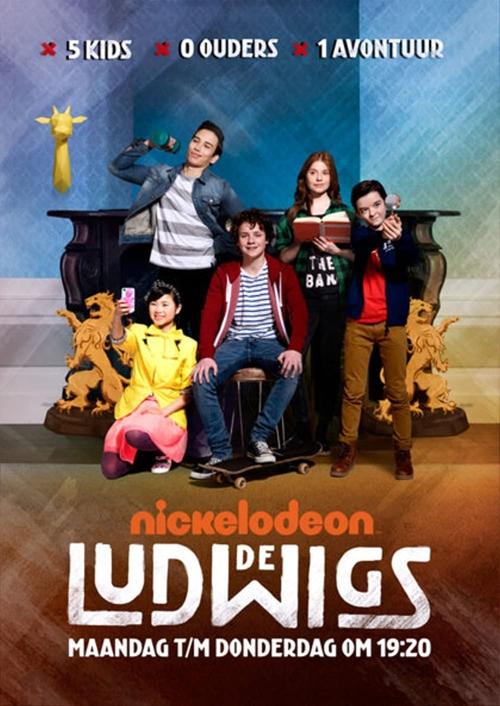
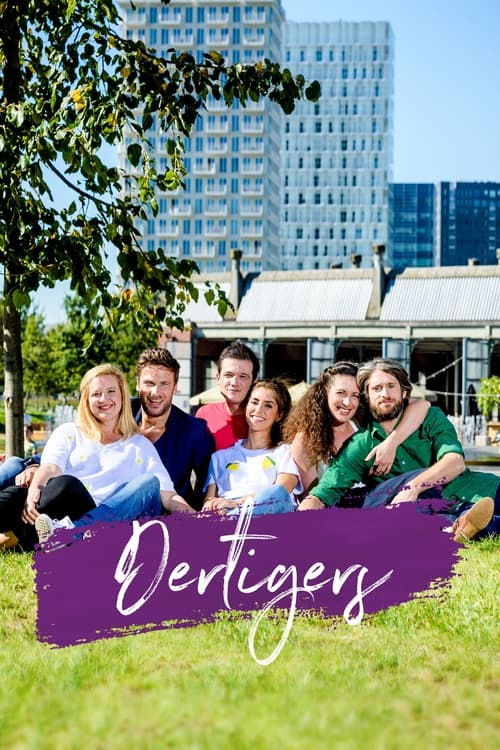




What is the ending?
In the ending of "Vrede op Aarde," Season 5, Episode 9, the characters face the culmination of their conflicts. Tensions reach a peak as alliances shift and personal revelations come to light. The episode concludes with a dramatic confrontation that leads to a resolution of long-standing disputes, but not without significant emotional fallout. Each character is left to grapple with the consequences of their choices, setting the stage for potential future developments.
As the episode unfolds, the scene opens in a dimly lit community hall, where the main characters gather for a crucial meeting. The atmosphere is thick with tension, as unresolved issues from previous episodes hang heavily in the air. The camera pans across the faces of the characters, capturing their anxious expressions and the weight of their decisions.
The first key moment occurs when Anna, visibly shaken, stands up to address the group. Her voice trembles as she recounts the sacrifices she has made for the community, revealing her deep-seated fears of losing everything she has worked for. The audience can feel her vulnerability, and her plea resonates with the others, prompting murmurs of agreement and sympathy.
Next, the focus shifts to Mark, who has been a polarizing figure throughout the season. He stands up, his demeanor defensive yet passionate. He argues that the community must prioritize unity over individual grievances. His words ignite a heated debate, with several characters passionately voicing their dissent. The camera captures the intensity of the moment, with close-ups of furrowed brows and clenched fists, illustrating the emotional stakes involved.
As the argument escalates, tensions boil over when Sarah, a character who has been quietly observing, finally speaks up. Her voice is calm but firm as she challenges both Anna and Mark, urging them to consider the bigger picture. This moment serves as a turning point, as her perspective forces the group to confront their own biases and assumptions. The scene is charged with emotion, and the audience can sense the shifting dynamics among the characters.
The climax of the episode occurs when a sudden revelation about a shared past between two characters, Anna and Mark, comes to light. This revelation acts as a catalyst, forcing them to confront their unresolved feelings and the impact of their choices on the community. The emotional weight of this moment is palpable, as the camera captures their expressions of shock and realization.
In the final scenes, the characters begin to reconcile their differences. Anna and Mark share a tentative but meaningful conversation, acknowledging their past and expressing a desire to move forward. The camera lingers on their faces, highlighting the mix of hope and uncertainty in their eyes.
The episode concludes with a montage of the community coming together, symbolizing a fragile but hopeful unity. Each character is shown in their respective spaces, reflecting on the events that transpired. Anna is seen planting flowers in her garden, a metaphor for new beginnings. Mark stands at the edge of the community, looking out with a sense of purpose. Sarah is shown helping others, embodying the spirit of collaboration that has emerged.
As the screen fades to black, the audience is left with a sense of resolution, yet aware that the journey for these characters is far from over. Each character's fate is intertwined with the community's future, leaving room for exploration in potential subsequent episodes.
Is there a post-credit scene?
In "Episode 9" of Vrede op Aarde, there is indeed a post-credit scene that adds an intriguing layer to the episode's narrative.
As the credits roll, the screen fades to black before transitioning to a dimly lit room filled with shadows. The camera slowly pans across a cluttered table strewn with various documents and photographs, hinting at a deeper conspiracy that has been brewing throughout the season.
In the center of the table, a single photograph catches the light, revealing a close-up of a character who has been a mysterious figure throughout the season. Their expression is unreadable, but there's a sense of urgency in the way they are looking off-camera.
Suddenly, a voice breaks the silence, belonging to a character who has been absent in the recent episodes. They speak in hushed tones, discussing plans that involve the main characters, suggesting that their actions have been monitored all along. The tension in their voice indicates a looming threat, and the scene ends with a close-up of a ticking clock, symbolizing the impending urgency of the situation.
This post-credit scene leaves viewers with a sense of foreboding and curiosity, setting the stage for the final episodes of the season and hinting at unresolved conflicts that will come to a head.
What role does the setting play in the events of Episode 9?
The setting in Episode 9, particularly the community center where the characters gather, serves as a microcosm of the larger societal issues at play. The tension in the air is palpable, with the physical space becoming a battleground for differing ideologies, reflecting the emotional turmoil of the characters as they navigate their relationships and the community's future.
How does the character of Joris evolve in this episode?
In this episode, Joris experiences a pivotal moment of self-realization. Initially portrayed as indecisive and passive, he confronts his past mistakes and takes a stand for what he believes in, ultimately deciding to support Anna's vision for peace, which marks a significant shift in his character arc.
What conflict arises between the main characters in Episode 9?
In Episode 9, a significant conflict arises between the characters of Anna and Mark as they grapple with their differing views on how to handle the community's escalating tensions. Anna believes in a more diplomatic approach, while Mark advocates for a more aggressive stance, leading to a heated confrontation that reveals deeper insecurities and fears.
How do the relationships between the characters change in this episode?
Throughout Episode 9, the relationships between the characters undergo significant transformations. The rift between Anna and Mark deepens, while Joris's newfound assertiveness leads to a tentative reconciliation with Anna. Meanwhile, secondary characters like Lotte and Sam find themselves caught in the crossfire, complicating their own friendships and alliances.
What is the significance of the flashback scenes in Episode 9?
The flashback scenes in Episode 9 serve to provide crucial backstory for Anna and Mark, revealing their shared history and the events that shaped their current beliefs. These moments are emotionally charged, illustrating the pain of past decisions and the weight of unresolved issues, which ultimately influence their actions in the present.
Is this family friendly?
In "Episode 9" of Vrede op Aarde, there are several scenes and themes that may be considered potentially objectionable or upsetting for children or sensitive viewers.
-
Emotional Conflict: The episode features intense emotional confrontations between family members, which may be distressing for younger viewers. The characters express deep feelings of betrayal and sadness, leading to heated arguments.
-
Themes of Loss: There are moments that deal with loss and grief, as characters reflect on past traumas and the impact of their decisions. This could be heavy for sensitive audiences.
-
Depictions of Violence: While not graphic, there are scenes that imply violence or threats, which may be unsettling for children.
-
Mature Discussions: The dialogue includes mature themes such as betrayal, trust issues, and the complexities of relationships, which may be difficult for younger viewers to fully understand.
-
Tense Atmosphere: The overall tone of the episode is quite tense, with suspenseful moments that could evoke anxiety in sensitive viewers.
These elements contribute to a narrative that, while rich in character development and emotional depth, may not be suitable for all audiences, particularly younger children.