











Popular
What are the main characteristics of the protagonist, Malasartes?
How does Malasartes' relationship with the other characters evolve throughout the series?
What specific challenges does Malasartes face in the village?
What role does humor play in Malasartes' interactions with other characters?
How does Malasartes' cunning affect the outcomes of the various plots he becomes involved in?
Should I watch it?
Ask Your Own Question

What is the plot?
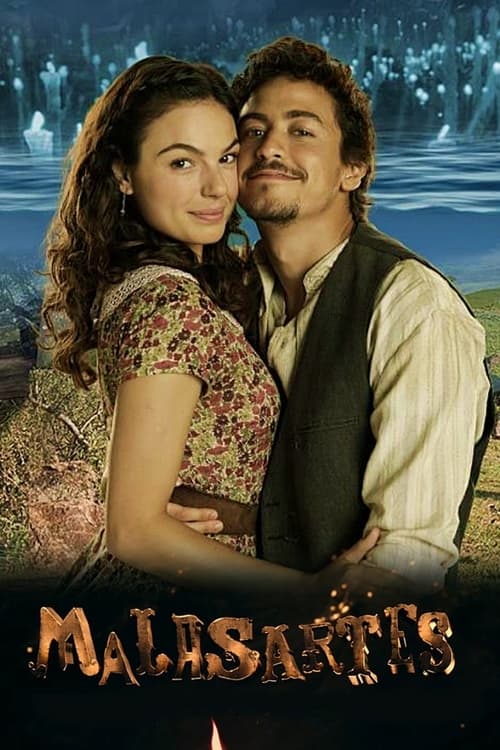
"Malasartes" begins with the introduction of the titular character, Malasartes, a clever and cunning trickster living in a small village. He is known for his quick wit and ability to manipulate situations to his advantage. The story unfolds in a rural setting, where the villagers are often at odds with one another, and Malasartes finds himself at the center of various conflicts.
In the first act, Malasartes is approached by a wealthy landowner who seeks to exploit the villagers for his own gain. The landowner, seeing Malasartes as a potential ally, offers him a deal to help him acquire the villagers' land. Malasartes, however, has his own plans and decides to play both sides against each other. He feigns loyalty to the landowner while secretly rallying the villagers to resist the encroachment on their land.
As tensions rise, Malasartes orchestrates a series of events that lead to misunderstandings and chaos among the villagers and the landowner's men. He spreads rumors and creates distractions, all while maintaining his facade of innocence. The villagers, initially skeptical of Malasartes, begin to see him as a leader and a source of hope against the oppressive landowner.
In a pivotal scene, Malasartes devises a plan to sabotage the landowner's efforts to survey the land. He disguises himself as a government official and tricks the landowner's men into believing that their actions are illegal. This leads to a confrontation where the landowner's men are forced to retreat, further emboldening the villagers.
As the story progresses, Malasartes finds himself in a romantic subplot with a local woman, who is drawn to his charm and wit. Their relationship adds depth to Malasartes' character, revealing his vulnerabilities and desires beyond his trickster persona. However, this romance is complicated by the landowner's interest in the same woman, creating a love triangle that adds tension to the narrative.
In a climactic sequence, the landowner, frustrated by Malasartes' interference, decides to take matters into his own hands. He gathers a group of armed men and confronts Malasartes and the villagers in a dramatic showdown. Malasartes, using his quick thinking, devises a plan to outsmart the landowner once again. He sets traps and uses the terrain to his advantage, leading to a chaotic battle where the villagers, inspired by Malasartes, fight back against the landowner's men.
The confrontation escalates, with both sides suffering losses. Malasartes, in a moment of bravery, confronts the landowner directly. He uses his wit to taunt the landowner, drawing him into a trap that ultimately leads to the landowner's downfall. The villagers rally behind Malasartes, and together they manage to drive the landowner away for good.
In the aftermath of the conflict, the villagers celebrate their victory, and Malasartes is hailed as a hero. However, he remains a complex character, aware that his tricks and manipulations have consequences. The story concludes with Malasartes reflecting on his actions, hinting at the ongoing struggles of the villagers and the cyclical nature of power and resistance. The final scenes show him walking away from the village, leaving behind a legacy of cunning and resilience, as the villagers begin to rebuild their lives free from the landowner's oppression.








What is the ending?
In the ending of "Malasartes," the protagonist, Malasartes, faces the consequences of his trickery and deceit. After a series of misadventures and schemes, he finds himself in a precarious situation that tests his wit and resourcefulness. Ultimately, he manages to escape a dire fate, but not without leaving a trail of chaos behind him. The other characters, who have been affected by his actions, are left to deal with the aftermath of his cunning ways.
As the final scenes unfold, Malasartes is confronted by the repercussions of his actions. He navigates through a tense atmosphere filled with uncertainty and danger. The characters around him, including those who have been wronged or manipulated, are shown grappling with their own emotions and decisions. The story concludes with Malasartes slipping away, embodying the essence of a trickster who eludes capture, while the others are left to reflect on their experiences and the lessons learned from their encounters with him.
The ending of "Malasartes" begins with a tense atmosphere as the protagonist, Malasartes, finds himself cornered by the consequences of his latest scheme. The sun hangs low in the sky, casting long shadows across the dusty village square where the final confrontation is set to unfold. The air is thick with anticipation, and the townsfolk gather, murmuring among themselves, their eyes darting between Malasartes and the figures of authority who have come to confront him.
Scene 1: The Confrontation Malasartes stands defiantly, a smirk playing on his lips, but there is a flicker of uncertainty in his eyes. The local authorities, led by a stern and imposing figure, demand that he account for his actions. The tension escalates as accusations fly, and Malasartes, ever the trickster, attempts to charm his way out of the situation with clever quips and half-truths. However, the crowd is no longer amused; they have seen too much of his deceitful ways.
Scene 2: The Escape As the confrontation reaches its peak, Malasartes realizes that his usual tactics may not suffice this time. With a sudden burst of energy, he concocts a plan to escape. He feigns a moment of vulnerability, drawing the attention of the authorities, and in a swift motion, he darts away, weaving through the crowd. The townsfolk gasp, some cheering for his audacity, while others shake their heads in disapproval. His heart races as he navigates the narrow alleyways, adrenaline coursing through him.
Scene 3: The Aftermath Once he has evaded capture, Malasartes finds himself in a secluded spot, catching his breath. The weight of his actions begins to settle in. He reflects on the chaos he has left behind, the people he has deceived, and the relationships he has strained. The laughter that once accompanied his tricks now feels hollow. Meanwhile, the townsfolk are left to pick up the pieces. They gather in small groups, discussing the events that transpired, their faces a mix of anger, disappointment, and a strange sense of admiration for Malasartes' cunning.
Scene 4: The Final Reflection In the closing moments, Malasartes gazes out over the village from a distance, a bittersweet smile on his face. He knows he has escaped, but at what cost? The camera lingers on his expression, capturing a fleeting moment of introspection. He is a trickster, yes, but he is also a man who must now live with the consequences of his choices. The screen fades to black, leaving the audience to ponder the nature of his character and the impact of his actions on those around him.
As the credits roll, the fates of the other characters are revealed through brief glimpses: some are seen rebuilding their lives, while others are still grappling with the fallout of Malasartes' schemes. The story concludes with a sense of unresolved tension, highlighting the complexity of human relationships and the enduring legacy of a trickster in a world that often blurs the lines between right and wrong.
Is there a post-credit scene?
In the 2017 TV show "Malasartes," there is indeed a post-credit scene that adds a humorous twist to the series. After the main credits roll, viewers are treated to a brief moment that encapsulates the show's playful tone.
The scene features Malasartes, the clever and mischievous protagonist, in a comical situation that highlights his knack for getting into trouble. He is seen attempting to impress a group of villagers with a new trick he has devised. As he confidently sets up his performance, the villagers gather, their expressions a mix of skepticism and curiosity.
However, as Malasartes executes his trick, things go hilariously awry. He miscalculates a crucial step, leading to a slapstick moment where he ends up in a comical predicament, perhaps getting tangled in ropes or falling into a nearby water source. The villagers burst into laughter, and Malasartes, ever the charmer, quickly recovers, flashing a sheepish grin and shrugging off the mishap with his signature charisma.
This scene encapsulates the essence of Malasartes' character--his resilience, charm, and the lighthearted chaos that follows him wherever he goes. It leaves the audience with a sense of joy and anticipation for more of his adventures, reinforcing the show's comedic and whimsical nature.
What are the main characteristics of the protagonist, Malasartes?
Malasartes is portrayed as a clever and cunning trickster, often using his wit to navigate through various challenges. He embodies a mix of charm and mischief, which allows him to manipulate situations to his advantage. His motivations often stem from a desire for survival and a quest for personal gain, but he also displays moments of loyalty and compassion towards those he cares about.
How does Malasartes' relationship with the other characters evolve throughout the series?
Malasartes' relationships are complex and often shift based on his interactions with others. Initially, he is seen as a lone wolf, but as the series progresses, he forms alliances and rivalries. His dynamic with characters like the local authority figures and fellow villagers showcases his ability to adapt and influence those around him, often leading to both comedic and dramatic outcomes.
What specific challenges does Malasartes face in the village?
Throughout the series, Malasartes encounters various challenges, including conflicts with local authorities who seek to impose their power over him. He also faces personal dilemmas, such as navigating romantic interests and dealing with the consequences of his trickery. Each challenge tests his resourcefulness and often leads to humorous yet insightful situations that reveal deeper truths about the community.
What role does humor play in Malasartes' interactions with other characters?
Humor is a central element in Malasartes' interactions, often serving as a tool for both deflection and connection. His witty remarks and playful antics create a light-hearted atmosphere, even in tense situations. This humor not only endears him to some characters but also frustrates others, highlighting the duality of his nature as both a beloved trickster and a source of annoyance.
How does Malasartes' cunning affect the outcomes of the various plots he becomes involved in?
Malasartes' cunning is pivotal in shaping the outcomes of the plots he engages with. His ability to think on his feet and devise clever schemes often leads to unexpected resolutions, whether it be outsmarting an opponent or turning a dire situation into a favorable one. This trait not only drives the narrative forward but also emphasizes the theme of intelligence over brute force in overcoming obstacles.
Is this family friendly?
"Malasartes," produced in 2017, is a series that blends elements of comedy and drama, centered around the character of Malasartes, a clever and cunning trickster. While the show has humorous moments, it also contains themes and scenes that may not be suitable for all audiences, particularly children or sensitive viewers.
-
Deception and Trickery: The central character often engages in deceitful behavior, which may not convey positive moral lessons for younger viewers.
-
Violence: There are instances of physical confrontations and slapstick violence that, while comedic in nature, may be unsettling for some.
-
Adult Themes: The show touches on themes of greed, betrayal, and manipulation, which may be complex for younger audiences to understand.
-
Mature Humor: Some jokes and situations may contain innuendo or references that are more appropriate for an adult audience.
-
Emotional Conflict: Characters experience betrayal and emotional turmoil, which could be distressing for sensitive viewers.
Overall, while "Malasartes" has comedic elements, its themes and certain scenes may not be suitable for children or those who are particularly sensitive to such content.