


Popular
What are the key turning points in the investigation that lead to major revelations?
What role does the small town setting play in the unfolding of the murder mystery?
What motivates the main character, detective Jörgen, throughout the series?
How does the relationship between Jörgen and his partner evolve during the series?
How does the series portray the impact of the murders on the community?
Should I watch it?
Ask Your Own Question

What is the plot?
In the small town of Höllviken, the story begins with the discovery of a body in a local lake. The victim is identified as a young woman named Anna, who had been missing for several days. The police, led by Detective Inspector Håkan, begin their investigation, interviewing Anna's friends and family. They learn that Anna had been involved in a tumultuous relationship with a man named Erik, who becomes a person of interest.
As the investigation unfolds, Håkan and his team delve into Anna's life, uncovering her struggles with mental health and her complicated relationships. They discover that Anna had been receiving threatening messages prior to her disappearance, which leads them to suspect that someone close to her may be involved. Tensions rise as the community grapples with the implications of the murder, and rumors begin to circulate.
Håkan's investigation takes a turn when he learns about a secret party that Anna attended shortly before her death. He interviews several attendees, including Erik, who claims he was not at the party. However, inconsistencies in his alibi raise suspicions. Håkan confronts Erik, who becomes increasingly defensive and agitated during the questioning. The detective senses that Erik is hiding something, but lacks concrete evidence to charge him.
Meanwhile, Anna's best friend, Lisa, struggles with her own guilt over not being able to protect Anna. She becomes determined to find out the truth and starts her own investigation. Lisa discovers that Anna had been involved in a dangerous online relationship with a man named Simon, who had a history of abusive behavior. This revelation adds another layer to the case, and Håkan decides to look into Simon's background.
As Håkan digs deeper, he uncovers a web of lies and deceit surrounding Anna's life. He learns that Simon had been stalking Anna and had even threatened her in the past. Håkan tracks down Simon, who initially denies any involvement in Anna's death. However, during a tense confrontation, Simon's demeanor shifts, and he becomes aggressive, prompting Håkan to arrest him for harassment.
The investigation takes a dramatic turn when forensic evidence links Erik to the crime scene. Håkan confronts Erik again, presenting the evidence that suggests he was at the lake the night Anna was killed. Erik's facade begins to crumble, and he admits to having an argument with Anna, but insists he did not kill her. Håkan remains skeptical and continues to press for the truth.
In a shocking twist, Lisa discovers a hidden video on Anna's phone that reveals the events leading up to her death. The footage shows Anna arguing with both Erik and Simon at the party, escalating into a physical confrontation. The video captures the moment Anna is pushed into the lake, leading to her drowning. This evidence is crucial, and Håkan realizes that both men played a role in her death.
With the video evidence in hand, Håkan organizes a confrontation with Erik and Simon, revealing the footage to both men. The tension in the room is palpable as they react to the evidence against them. Erik breaks down, confessing that he never intended to hurt Anna but was overwhelmed by jealousy. Simon, on the other hand, tries to deflect blame, claiming that Erik was the one who pushed her.
The climax of the story unfolds as Håkan pieces together the events of that fateful night. He realizes that both men are culpable in their own ways, and he prepares to charge them with murder. The emotional weight of the case takes a toll on Håkan, who reflects on the impact of Anna's death on her loved ones and the community.
In the final scenes, the town begins to heal as the truth comes to light. Håkan delivers a heartfelt message to Anna's family, assuring them that justice will be served. The series concludes with a sense of closure, but also a lingering sadness over the loss of a young life and the complexities of human relationships.
More TV Shows Like This
Browse All TV Shows →

What is the ending?
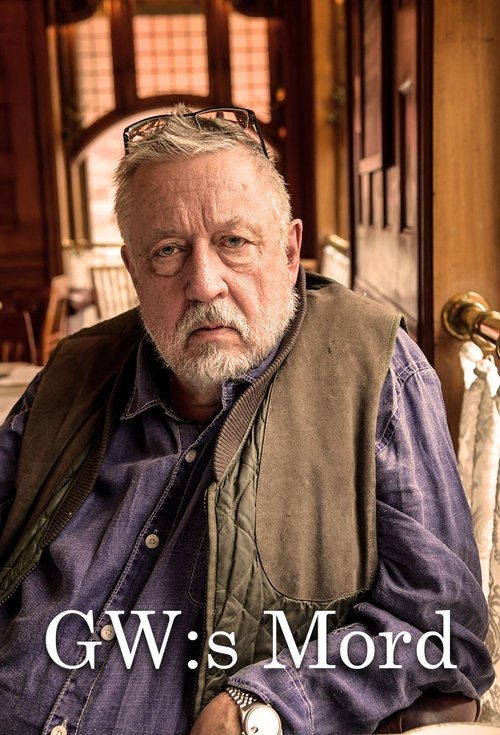
In the ending of "GW:s mord," the story culminates in a tense confrontation that reveals the true nature of the characters involved. The main character, who has been embroiled in a web of deceit and murder, faces the consequences of their actions. The resolution brings closure to the central conflict, with some characters finding redemption while others meet tragic fates.
As the final scenes unfold, the atmosphere is thick with tension. The protagonist, having navigated a labyrinth of lies and betrayal, stands at a crossroads. The weight of their choices hangs heavily in the air, and the emotional stakes are at their highest. The climax reveals the true murderer, leading to a dramatic confrontation that forces the protagonist to confront their own moral compass. In the end, justice is served, but not without significant personal cost.
The final act of "GW:s mord" begins with a dimly lit room, where the protagonist, visibly shaken, sits alone, reflecting on the chaos that has unfolded. The camera pans slowly, capturing the remnants of a life once filled with hope, now overshadowed by guilt and despair. The protagonist's internal struggle is palpable; they are torn between the desire for redemption and the fear of facing the truth.
Scene transitions to a confrontation at a secluded location, where the protagonist meets the antagonist, the true orchestrator of the murders. The tension is electric, with shadows dancing across their faces as they exchange heated words. The antagonist, smug and self-assured, taunts the protagonist, revealing the depths of their manipulation. The protagonist's anger boils over, and a physical struggle ensues, symbolizing the battle between good and evil within themselves.
As the fight escalates, the protagonist's determination shines through. They grapple with their past mistakes, each punch thrown a cathartic release of pent-up frustration and regret. The scene is visceral, with close-ups capturing the raw emotion etched on their faces. The protagonist ultimately gains the upper hand, but not without sustaining injuries that reflect their internal turmoil.
In the aftermath of the confrontation, the protagonist stands over the defeated antagonist, breathing heavily, a mix of relief and sorrow washing over them. The camera lingers on their face, capturing the moment of realization that victory comes at a cost. The antagonist, now vulnerable, pleads for mercy, but the protagonist, grappling with their own moral dilemmas, makes a choice that defines their character. They call the authorities, ensuring that justice is served, but the weight of their decision is evident in their eyes.
The final scenes shift to the aftermath of the confrontation. The protagonist is seen in a police station, recounting the events to investigators. Their demeanor is subdued, reflecting the emotional toll of the journey. As they leave the station, the sun breaks through the clouds, symbolizing a new beginning, yet the shadows of their past linger.
In a poignant closing shot, the protagonist stands at a crossroads, looking back at the path they have traveled. The camera captures their expression--one of determination mixed with sorrow. They take a deep breath and step forward, ready to face the future, but forever changed by the events that transpired.
The fates of the main characters are sealed in this resolution. The protagonist, though scarred, finds a sense of purpose in seeking justice. The antagonist, now in custody, faces the consequences of their actions, a stark reminder of the darkness that can consume a person. Other supporting characters, who have been affected by the turmoil, are left to pick up the pieces of their lives, each carrying the weight of the choices made throughout the story.
The ending of "GW:s mord" encapsulates the themes of redemption, the complexity of human morality, and the enduring impact of choices made in moments of desperation. Each character's fate serves as a reflection of their journey, leaving the audience with a lingering sense of the fragility of life and the quest for justice.
Is there a post-credit scene?
In the 2017 TV show "GW:s mord," there is no post-credit scene. The series concludes its narrative without any additional scenes after the credits roll. The final moments of the show focus on the resolution of the central mystery and the emotional aftermath for the characters involved, leaving viewers with a sense of closure regarding the main plotlines. The absence of a post-credit scene emphasizes the finality of the story and the characters' journeys, allowing the audience to reflect on the events that have transpired without any further cliffhangers or additional content.
What are the key turning points in the investigation that lead to major revelations?
Key turning points include the discovery of a hidden diary that reveals the victim's connections to several townspeople, a shocking confrontation with a suspect that leads to a confession, and the unearthing of a long-buried family secret that ties multiple characters to the crime. Each revelation escalates the stakes and deepens the complexity of the relationships involved.
What role does the small town setting play in the unfolding of the murder mystery?
The small town setting is crucial to the narrative, as it creates an atmosphere of intimacy and suspicion. The close-knit community harbors secrets, and the isolation amplifies the tension. As Jörgen investigates, the town's picturesque facade contrasts sharply with the dark undercurrents of betrayal and hidden motives, making every character a potential suspect.
What motivates the main character, detective Jörgen, throughout the series?
Detective Jörgen is driven by a deep sense of justice and a personal quest for redemption. Haunted by past failures in his career, he is determined to solve the murder cases that plague his community. His emotional state fluctuates between determination and despair, especially as he uncovers dark secrets that challenge his moral compass.
How does the relationship between Jörgen and his partner evolve during the series?
Initially, Jörgen's relationship with his partner is strained due to his solitary nature and reluctance to trust others. However, as they face various challenges together, their bond strengthens. They share moments of vulnerability, revealing their personal struggles, which fosters a deeper understanding and camaraderie, ultimately leading to a strong partnership.
How does the series portray the impact of the murders on the community?
The series vividly depicts the community's descent into fear and paranoia following the murders. Residents become suspicious of one another, friendships fracture, and the local economy suffers as tourism declines. Emotional scenes show families grappling with loss and the psychological toll of living in a town where trust has been shattered, highlighting the broader implications of violence on social cohesion.
Is this family friendly?
"GWs mord," produced in 2017, is a crime drama that delves into dark themes and complex human emotions. While it offers a gripping narrative, it contains several elements that may not be suitable for children or sensitive viewers.
-
Violence: The show features scenes of murder and physical confrontations that can be graphic and intense, showcasing the aftermath of violent crimes.
-
Death and Grief: Characters grapple with loss and the emotional turmoil that follows, which can be heavy and distressing for younger audiences.
-
Mature Themes: The series explores themes of betrayal, revenge, and moral ambiguity, which may be difficult for children to understand or process.
-
Emotional Distress: Characters often experience deep emotional pain, leading to moments of despair, anger, and conflict that may be upsetting.
-
Language: There may be instances of strong language that could be inappropriate for younger viewers.
Overall, the show's tone and content are more suited for mature audiences, and parental discretion is advised.