




























Popular
What motivates the main character, No No, to defy her family's expectations?
How does No No's relationship with her best friend evolve throughout the season?
What role does the setting play in shaping No No's experiences?
How does No No's family react to her choices throughout the season?
What significant events lead to No No's ultimate decision to pursue her dreams?
Should I watch it?
Ask Your Own Question

What is the plot?
In the opening scene of "The No No Girl," we are introduced to the protagonist, a young woman named Mei, who is struggling with her identity and the expectations placed upon her by her traditional family. The story begins in a bustling urban neighborhood where Mei works at a local café. She is seen interacting with her co-workers and customers, showcasing her friendly demeanor but also hinting at her internal conflict regarding her family's conservative values.
As the narrative unfolds, Mei receives a call from her mother, who insists that she come home for a family gathering. The pressure from her family to conform to their expectations weighs heavily on her, and we see her internal struggle as she contemplates whether to attend. Despite her reservations, she ultimately decides to go, hoping to appease her family while also seeking a sense of belonging.
At the family gathering, tensions rise as Mei's relatives discuss her future, particularly the pressure to marry a suitable partner. Mei's mother introduces her to a potential suitor, a young man named Jian, who is polite but lacks the spark that Mei desires. The awkwardness of the situation is palpable, and Mei feels trapped between her family's wishes and her own dreams of independence.
After the gathering, Mei confides in her best friend, Lila, about her frustrations. Lila encourages Mei to pursue her passions and not settle for a life dictated by others. This conversation ignites a fire within Mei, prompting her to explore her interests in art and self-expression. She begins to attend local art shows and meets a diverse group of artists who inspire her to embrace her individuality.
As Mei delves deeper into the art scene, she encounters a charismatic artist named Leo, who challenges her views on life and love. Their chemistry is immediate, and they share a passionate kiss at an art exhibit. This moment marks a turning point for Mei, as she begins to question her family's values and her own desires. However, she is also aware of the potential fallout from pursuing a relationship with someone her family would disapprove of.
Conflict arises when Mei's mother discovers her budding relationship with Leo. In a heated confrontation, Mei's mother expresses her disappointment and fear for Mei's future, insisting that she should focus on finding a suitable husband instead of chasing after fleeting passions. This confrontation leaves Mei feeling torn between her love for Leo and her loyalty to her family.
Determined to assert her independence, Mei decides to participate in a local art competition, hoping to showcase her work and gain recognition. She pours her heart and soul into her pieces, using her art as a means of self-discovery and rebellion against her family's expectations. As the competition approaches, Mei's confidence grows, but so does the tension with her family, who remain unaware of her true ambitions.
On the day of the art competition, Mei's work is met with enthusiasm from the audience, and she receives praise from the judges. However, her victory is bittersweet as she knows her family will not understand her choices. After the event, she is approached by a gallery owner who expresses interest in showcasing her work, further validating her artistic journey.
In the climax of the season, Mei's mother confronts her again, this time after seeing a social media post about the competition. The confrontation escalates into a dramatic argument where Mei finally stands up for herself, declaring her right to choose her own path. This moment of defiance is cathartic for Mei, but it also leads to a painful rift with her family.
The season concludes with Mei standing at a crossroads. She must decide whether to continue pursuing her art and relationship with Leo, fully embracing her identity, or to return to the safety of her family's expectations. The final scene leaves viewers with a sense of uncertainty as Mei gazes at her artwork, contemplating her future and the choices that lie ahead.







What is the ending?
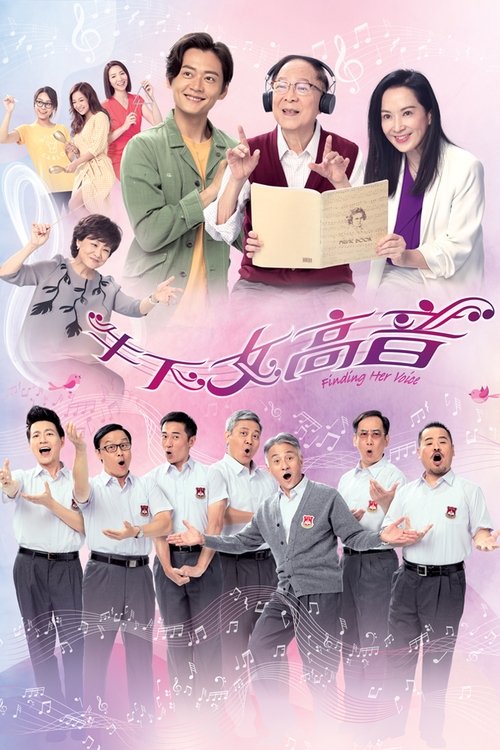
In the ending of "The No No Girl," the main character, a young woman named No No, confronts her past and the choices she has made. She ultimately decides to embrace her identity and the life she wants to lead, leading to a moment of self-acceptance and resolution. The story concludes with No No stepping into a new chapter of her life, leaving behind the constraints of her previous existence.
As the final episode unfolds, the scene opens in a dimly lit room where No No sits alone, reflecting on her journey. The weight of her past decisions hangs heavily in the air, and the camera captures the flicker of doubt in her eyes. She recalls moments of conflict with her family, particularly her mother, who has always held traditional views that clash with No No's desire for independence. The tension between them has been palpable throughout the season, and it reaches a boiling point in this final episode.
In the next scene, No No confronts her mother in the family home. The atmosphere is thick with unspoken words as they exchange heated arguments. No No's mother expresses her disappointment, while No No fights back with her own frustrations about feeling trapped. The emotional stakes are high, and the dialogue is charged with years of unresolved issues. As the confrontation escalates, No No's voice rises, filled with a mix of anger and desperation. She declares her intention to pursue her dreams, regardless of her mother's expectations.
The scene shifts to No No's friends, who have been her support system throughout the series. They gather in a cozy café, discussing their own struggles and aspirations. The camaraderie is evident, and the warmth of their friendship contrasts sharply with the tension at home. No No arrives, and her friends immediately sense her turmoil. They encourage her to stand firm in her choices, reminding her of the strength she possesses. This moment serves as a turning point for No No, as she realizes she is not alone in her fight for self-acceptance.
As the climax approaches, No No makes a bold decision to attend a local event where she can showcase her talents. The scene is vibrant, filled with music and laughter, but No No's nerves are palpable. She stands backstage, her heart racing as she prepares to step into the spotlight. The moment she takes the stage is electric; the audience's energy fuels her confidence. She performs with passion, pouring her heart into every note, and the crowd responds with enthusiasm. This performance symbolizes her liberation and the acceptance of her true self.
In the final scenes, No No returns home, where her mother awaits. The atmosphere is tense, but this time, No No approaches with a newfound sense of calm. She speaks to her mother with honesty, sharing her dreams and aspirations without fear. The conversation is raw and emotional, but it marks a significant shift in their relationship. No No's mother, though initially resistant, begins to understand her daughter's perspective. The scene closes with a tentative embrace, hinting at the possibility of reconciliation.
The series concludes with No No standing on a hill overlooking the city, the sun setting behind her. She takes a deep breath, feeling a sense of freedom and hope for the future. The camera pulls back, capturing her silhouette against the vibrant sky, symbolizing her journey toward self-acceptance and the promise of new beginnings.
In summary, the fates of the main characters are intertwined with themes of identity and acceptance. No No emerges empowered, ready to embrace her life on her own terms. Her mother, while still grappling with her own beliefs, shows signs of understanding and growth. The friends who supported No No throughout her journey remain by her side, reinforcing the importance of community and connection in the face of personal struggles.
Is there a post-credit scene?
In "The No No Girl," season 1, there is no post-credit scene. The episodes conclude without any additional content after the credits roll. The focus remains on the narrative and character development throughout the episodes, leaving no lingering scenes or teasers for future storylines. Each episode wraps up its plotlines, allowing viewers to reflect on the character arcs and emotional journeys without the distraction of a post-credit sequence.
What motivates the main character, No No, to defy her family's expectations?
No No is driven by a deep desire for independence and self-identity, feeling suffocated by her family's traditional values. Her internal struggle is highlighted through her interactions with her parents, who represent the expectations she feels pressured to conform to. This conflict fuels her rebellious actions throughout the season.
How does No No's relationship with her best friend evolve throughout the season?
Initially, No No and her best friend share a close bond, supporting each other's dreams. However, as No No begins to pursue her own path, tensions arise due to differing priorities. This evolution is marked by emotional confrontations that reveal their fears of losing each other, ultimately leading to a deeper understanding of their friendship.
What role does the setting play in shaping No No's experiences?
The setting, a vibrant yet traditional community, serves as a backdrop that amplifies No No's struggles. The contrast between the colorful streets filled with youthful energy and the conservative homes reflects her internal conflict. Key locations, such as the local café where she dreams of starting her own business, symbolize her aspirations and the societal constraints she faces.
How does No No's family react to her choices throughout the season?
No No's family exhibits a range of emotions in response to her choices, from disappointment to anger. Her parents' strict adherence to tradition creates a palpable tension, especially during pivotal moments when No No openly challenges their expectations. Their reactions are layered, revealing their own fears of losing cultural identity and the generational divide that complicates their relationship.
What significant events lead to No No's ultimate decision to pursue her dreams?
Several key events catalyze No No's decision, including a confrontation with her parents about her future, a chance encounter with a mentor who encourages her creativity, and a moment of self-reflection after a failed attempt to conform. These experiences collectively empower her to embrace her passions, culminating in a pivotal scene where she publicly declares her intentions, marking a turning point in her journey.
Is this family friendly?
"The No No Girl" is a drama that explores complex themes and emotional struggles, which may not be suitable for all children or sensitive viewers. Here are some potentially objectionable or upsetting aspects:
-
Family Conflict: The show delves into intense family dynamics, including arguments and emotional confrontations that may be distressing for younger viewers.
-
Mental Health Issues: Characters grapple with mental health challenges, which are portrayed in a raw and realistic manner, potentially triggering for those who have experienced similar issues.
-
Social Issues: The narrative addresses themes of discrimination and societal pressures, which may be heavy for children to process.
-
Emotional Turmoil: Characters experience significant emotional pain, including sadness, frustration, and feelings of isolation, which could be upsetting for sensitive viewers.
-
Mature Themes: The show touches on topics such as identity, belonging, and personal struggles that may require a more mature understanding.
Overall, while the series offers valuable insights into personal and familial relationships, its emotional depth and mature themes may not be appropriate for all audiences, particularly younger children.