



Popular
What motivates Skanderbeg to rebel against the Ottoman Empire?
How does Skanderbeg's relationship with his family influence his decisions?
What are the key battles that Skanderbeg fights against the Ottomans?
How does the character of Ismail befriend and later challenge Skanderbeg?
What role does the Ottoman Sultan play in the conflict with Skanderbeg?
Should I watch it?
Ask Your Own Question

What is the plot?
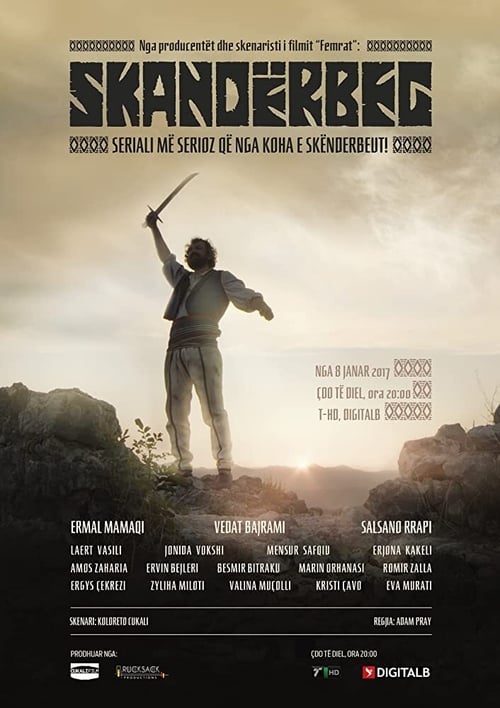
The story begins in the late 15th century in the region of Albania, where we are introduced to Gjergj Kastrioti, known as Skanderbeg. He is a nobleman who has been raised in the Ottoman court as a hostage, a common practice to ensure loyalty from noble families. As a young man, he is torn between his Albanian heritage and the influence of the Ottomans. His internal conflict is palpable as he grapples with his identity and the expectations placed upon him.
After years in the Ottoman Empire, Skanderbeg returns to Albania, where he witnesses the oppression of his people under Ottoman rule. The harsh treatment of his fellow Albanians ignites a fierce determination within him to fight for their freedom. He rallies a group of loyal followers, including his childhood friend and warrior, and begins to strategize a rebellion against the Ottomans. The emotional weight of his decision is heavy, as he knows the risks involved but feels a deep sense of duty to his homeland.
Skanderbeg's first major act of defiance occurs when he seizes the fortress of Krujë, a significant stronghold in Albania. The siege is intense, with Skanderbeg leading his men into battle against the Ottoman forces. The clash is brutal, with arrows flying and swords clashing. Skanderbeg's leadership shines as he inspires his troops, and they manage to overpower the Ottoman garrison. The victory is a turning point, instilling hope among the Albanian people and solidifying Skanderbeg's reputation as a leader.
Following the victory at Krujë, Skanderbeg faces the challenge of uniting the fragmented Albanian clans. He holds a council meeting with the clan leaders, where tensions run high due to past grievances and rivalries. Skanderbeg passionately argues for unity against the common enemy, appealing to their shared heritage and the need for freedom. His charisma and determination sway the leaders, and they agree to form an alliance, marking a significant step in his quest for independence.
As the Ottomans regroup, Skanderbeg prepares for further confrontations. He employs guerrilla tactics, launching surprise attacks on Ottoman supply lines and smaller garrisons. These skirmishes are depicted with vivid detail, showcasing the cunning and bravery of Skanderbeg and his men. Each victory boosts morale, but the constant threat of retaliation looms over them.
The Ottomans, led by the formidable General İshak Pasha, respond with a massive campaign to crush Skanderbeg's rebellion. They lay siege to Krujë, and the tension escalates as Skanderbeg and his forces prepare for a prolonged defense. The siege is grueling, with dwindling supplies and increasing desperation among the defenders. Skanderbeg's resolve is tested as he faces the possibility of defeat, but he remains steadfast, rallying his men with stirring speeches and a commitment to their cause.
In a dramatic turn, Skanderbeg receives unexpected support from the Papal States, who send reinforcements and supplies. This alliance is crucial, as it not only bolsters Skanderbeg's forces but also legitimizes his struggle on the international stage. The arrival of the reinforcements revitalizes the defenders, and they launch a counter-offensive against the besieging Ottomans.
The climactic battle unfolds as Skanderbeg leads his troops in a fierce confrontation with İshak Pasha's forces. The battlefield is chaotic, filled with the sounds of clashing steel and the cries of warriors. Skanderbeg fights valiantly, showcasing his exceptional skills as a warrior. The tide of battle shifts as Skanderbeg employs clever tactics, outmaneuvering the larger Ottoman army. The battle culminates in a decisive victory for Skanderbeg, further solidifying his status as a national hero.
In the aftermath of the battle, Skanderbeg's fame spreads across Europe, drawing attention to the plight of the Albanians. However, the Ottomans are not finished, and they regroup for another assault. Skanderbeg faces the challenge of maintaining unity among the clans, as some begin to waver in their commitment. He navigates these political waters with skill, reminding them of the sacrifices made and the importance of their shared struggle.
As the series progresses, Skanderbeg's personal life becomes more complex. He grapples with the toll of war on his relationships, particularly with his beloved, who longs for peace and a life away from conflict. Their emotional exchanges highlight the personal sacrifices made in the name of freedom, adding depth to Skanderbeg's character.
The final act sees Skanderbeg facing his greatest challenge yet as the Ottomans launch a full-scale invasion. The stakes are higher than ever, and Skanderbeg must rally his forces for one last stand. The battle is depicted with intense detail, showcasing the desperation and bravery of both sides. Skanderbeg fights fiercely, but the overwhelming numbers of the Ottoman forces begin to take their toll.
In a heartbreaking moment, Skanderbeg is gravely injured during the battle. As he lies wounded, he reflects on his journey, the sacrifices made, and the legacy he hopes to leave behind. His loyal followers continue to fight valiantly, inspired by his courage. The battle ultimately ends in a bittersweet victory for Skanderbeg, as he manages to repel the Ottomans but at a great personal cost.
The series concludes with Skanderbeg's legacy firmly established. His fight for Albanian independence becomes a symbol of resistance against oppression, inspiring future generations. The emotional weight of his journey resonates as the screen fades, leaving viewers with a sense of the enduring spirit of the Albanian people and the sacrifices made in the name of freedom.
More TV Shows Like This
Browse All TV Shows →
What is the ending?
In the ending of the TV show "Skanderbeg," the protagonist, Gjergj Kastrioti, also known as Skanderbeg, faces the final confrontation against the Ottoman Empire. After a series of intense battles, he ultimately succumbs to his enemies, but his legacy as a national hero endures. The series concludes with a reflection on his impact on Albanian identity and resistance against oppression.
As the final episodes unfold, the tension escalates. The scene opens with Skanderbeg rallying his troops, their faces a mix of determination and fear. The air is thick with the scent of sweat and the metallic tang of impending battle. Skanderbeg, clad in his armor, stands tall, his eyes burning with resolve. He knows this battle could be his last, but he is driven by a fierce love for his homeland and a desire for freedom.
The camera shifts to the Ottoman forces, led by the formidable Sultan Murad II. The contrast is stark; the Ottomans are a well-organized, vast army, their banners fluttering ominously in the wind. As they march towards Skanderbeg's stronghold, the ground trembles beneath their feet, symbolizing the overwhelming force they represent.
In the heat of battle, Skanderbeg fights valiantly, his sword flashing in the sunlight as he leads his men into the fray. The clash of steel and the cries of warriors fill the air, creating a cacophony of chaos. Skanderbeg's internal struggle is palpable; he fights not just for victory but for the very soul of Albania. Each swing of his sword is fueled by memories of his homeland, his family, and the sacrifices made by those who came before him.
As the battle rages on, Skanderbeg's forces begin to falter. The camera captures the desperation in the eyes of his soldiers as they are pushed back. Skanderbeg, realizing the tide is turning against them, makes a desperate decision to retreat and regroup. However, the Ottoman forces are relentless, and the scene shifts to a somber moment where Skanderbeg watches his men fall around him, the weight of leadership heavy on his shoulders.
In a poignant scene, Skanderbeg encounters his closest ally, who has been gravely injured. They share a moment of vulnerability, expressing their fears and hopes for the future of Albania. This exchange highlights the deep bonds forged in the fires of conflict, underscoring the personal stakes involved in their struggle.
As the final confrontation approaches, Skanderbeg faces Sultan Murad II in a climactic duel. The two leaders embody the larger conflict between freedom and oppression. The fight is fierce, showcasing Skanderbeg's skill and determination, but ultimately, he is outmatched. The scene is heart-wrenching as Skanderbeg falls, his body hitting the ground with a thud that echoes the loss of hope for his people.
In the aftermath, the camera pans over the battlefield, littered with the remnants of war. The once vibrant landscape is now marred by destruction, symbolizing the cost of the struggle for freedom. The series concludes with a montage of Skanderbeg's legacy; his image is immortalized in statues and stories, a beacon of resistance for future generations. The final shot lingers on the Albanian flag waving in the wind, a testament to the enduring spirit of the people he fought for.
The fates of the main characters are sealed in this tragic conclusion. Skanderbeg, though defeated, becomes a martyr for his cause, his spirit living on in the hearts of his people. His closest ally, who survives the battle, vows to carry on his legacy, ensuring that Skanderbeg's dream of freedom will not be forgotten. The Ottoman Empire, having won the battle, may have gained territory, but the seeds of rebellion planted by Skanderbeg's courage will continue to grow, hinting at future struggles for independence.
Is there a post-credit scene?
The 2017 TV show "Skanderbeg" does not feature a post-credit scene. The series concludes its narrative without any additional scenes after the credits roll. The final moments of the show focus on the resolution of Skanderbeg's struggles against the Ottoman Empire, emphasizing themes of heroism, sacrifice, and the enduring spirit of the Albanian people. The absence of a post-credit scene allows the audience to reflect on the historical significance and emotional weight of Skanderbeg's legacy as a national hero.
What motivates Skanderbeg to rebel against the Ottoman Empire?
Skanderbeg, originally known as Gjergj Kastrioti, is driven by a deep sense of national pride and a desire for freedom. His motivations are rooted in the oppression faced by his people under Ottoman rule, as well as his personal experiences of betrayal and loss. The emotional turmoil of witnessing his homeland's suffering fuels his determination to lead a rebellion.
How does Skanderbeg's relationship with his family influence his decisions?
Skanderbeg's relationship with his family, particularly with his father and his wife, plays a crucial role in shaping his character. His father's legacy as a nobleman and warrior instills in him a sense of duty to protect his homeland. His love for his wife, who represents his personal stakes in the conflict, adds emotional depth to his decisions, often leading him to weigh the cost of war against the safety of his loved ones.
What are the key battles that Skanderbeg fights against the Ottomans?
Throughout the series, Skanderbeg engages in several pivotal battles that showcase his tactical genius and bravery. Notable among these is the Battle of Torvioll, where he employs guerrilla tactics to outmaneuver the larger Ottoman forces. Another significant confrontation is the Siege of Krujë, where Skanderbeg's strategic defenses and the loyalty of his troops are put to the test, highlighting his leadership and the stakes of the rebellion.
How does the character of Ismail befriend and later challenge Skanderbeg?
Ismail, initially a close ally of Skanderbeg, represents the complexities of loyalty and ambition. Their friendship is forged through shared goals against the Ottomans, but as Ismail's ambitions grow, he begins to challenge Skanderbeg's authority. This conflict is marked by emotional tension, as Ismail's betrayal forces Skanderbeg to confront the harsh realities of leadership and the sacrifices required to maintain his cause.
What role does the Ottoman Sultan play in the conflict with Skanderbeg?
The Ottoman Sultan, as the primary antagonist, embodies the oppressive force that Skanderbeg and his allies are fighting against. His strategic maneuvers and relentless pursuit of power create a looming threat over Skanderbeg's rebellion. The Sultan's character is depicted as cunning and ruthless, often employing psychological warfare to undermine Skanderbeg's efforts, which adds a layer of tension and urgency to the narrative.
Is this family friendly?
"Skanderbeg," produced in 2017, is a historical drama that portrays the life of the Albanian national hero, Gjergj Kastrioti, known as Skanderbeg. While the show is rich in historical context and character development, it does contain several elements that may not be suitable for children or sensitive viewers.
-
Violence and Battle Scenes: The series features numerous battle sequences that depict warfare, including sword fighting, archery, and strategic military confrontations. These scenes can be intense and graphic, showcasing the brutality of combat.
-
Death and Suffering: Characters experience loss, and there are moments of death that are portrayed with emotional weight. The impact of these losses on the surviving characters can be quite poignant and may evoke strong feelings.
-
Political Intrigue and Betrayal: The narrative includes themes of betrayal and political maneuvering, which may be complex and unsettling for younger viewers. The motivations behind characters' actions can lead to morally ambiguous situations.
-
Emotional Turmoil: Characters often face significant emotional struggles, including feelings of despair, loyalty, and sacrifice. These themes may resonate deeply and could be distressing for sensitive audiences.
-
Historical Context of Oppression: The show addresses themes of oppression and resistance against foreign invaders, which may include depictions of suffering and hardship faced by the Albanian people.
Overall, while "Skanderbeg" offers a rich narrative and historical insight, its content may be more appropriate for older teens and adults due to the mature themes and emotional depth presented throughout the series.