

















Popular
What is the significance of the character of the farmer in the story?
How does the relationship between the protagonist and his wife evolve throughout the series?
What role does the supernatural play in the protagonist's journey?
How does the community react to the deaths that occur throughout the series?
What is the impact of the protagonist's childhood experiences on his adult life?
Should I watch it?
Ask Your Own Question

What is the plot?
In the small, rural village of Hohenstein, the story begins with the arrival of a mysterious stranger, a young woman named Anna. She is seen wandering through the woods, visibly distressed and lost. The villagers, particularly the local farmer, Jakob, notice her presence but are hesitant to approach her. Anna's arrival coincides with a series of strange occurrences in the village, including the sudden death of livestock and an unsettling atmosphere that hangs over the community.
As the days pass, Anna becomes more integrated into the village life, particularly through her interactions with Jakob. He is drawn to her, sensing her vulnerability and the pain she carries. Anna reveals to Jakob that she is searching for her missing brother, who disappeared under mysterious circumstances. This revelation deepens Jakob's interest in her, and he decides to help her in her quest, despite the warnings from other villagers who believe she brings misfortune.
Meanwhile, the village is plagued by a series of supernatural events. The townsfolk begin to experience nightmares and visions, leading to paranoia and fear. The local priest, Father Wilhelm, becomes increasingly concerned about the spiritual state of the village. He believes that Anna's arrival may be linked to these disturbances and starts to investigate her past. His suspicions grow when he learns that Anna has a history of mental illness, which complicates her credibility in the eyes of the villagers.
As Jakob and Anna search for clues about her brother, they uncover a hidden family secret. They discover that Anna's brother was involved in a tragic accident that resulted in the death of a local girl years ago. This revelation causes tension between Anna and the villagers, who view her as a harbinger of doom. Jakob, however, remains steadfast in his support for Anna, which leads to a growing bond between them.
The situation escalates when a villager is found dead under suspicious circumstances. The community turns against Anna, blaming her for the misfortunes that have befallen them since her arrival. Jakob defends her, but the villagers are relentless in their accusations. In a pivotal moment, Anna is confronted by a mob, and Jakob steps in to protect her, leading to a violent confrontation. The villagers, fueled by fear and anger, attempt to drive Anna out of the village.
In the midst of the chaos, Anna has a breakdown, revealing her deep-seated trauma and the guilt she feels over her brother's disappearance. Jakob, witnessing her pain, vows to help her find closure. They decide to venture into the woods where Anna believes her brother may have gone missing. This journey is fraught with tension as they navigate the dark forest, haunted by the memories of the past and the weight of the villagers' judgment.
As they delve deeper into the woods, they stumble upon an abandoned cabin that holds the key to Anna's brother's fate. Inside, they find remnants of a struggle and clues that suggest he may have been involved in something sinister. The atmosphere is thick with dread as they piece together the events leading to his disappearance. Anna's emotional state fluctuates between hope and despair as she confronts the possibility of her brother's death.
The climax of the story occurs when Anna and Jakob are confronted by the spirit of Anna's brother, who reveals the truth about his fate. He had been trying to protect Anna from a dark force that had been haunting their family for generations. This revelation forces Anna to confront her own fears and the legacy of trauma that has plagued her family. Jakob stands by her side, providing the support she needs to face the truth.
In the aftermath of this confrontation, Anna begins to heal, but the village remains divided. Some villagers still view her as a threat, while others, influenced by Jakob's unwavering support, start to see her as a victim of circumstance. The final scenes depict Anna making the difficult decision to leave Hohenstein, seeking a fresh start away from the pain of her past. Jakob, heartbroken but understanding, promises to always be there for her, leaving the door open for a potential reunion.
The story concludes with Anna walking away from the village, a sense of hope emerging as she takes her first steps toward healing. The villagers, left to grapple with their own fears and prejudices, begin to reflect on the events that transpired, hinting at the possibility of change within their community.





What is the ending?
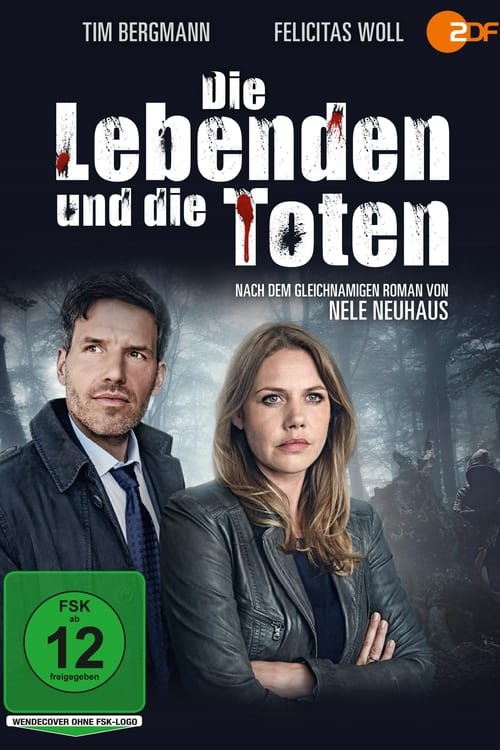
In the ending of "Die Lebenden und die Toten," the story culminates in a tense confrontation between the main characters, leading to a tragic resolution that underscores the themes of loss and the impact of unresolved pasts. The protagonist, a farmer named Johannes, faces the consequences of his actions as he grapples with the haunting memories of his deceased wife, while the community around him is affected by the unfolding events.
As the narrative unfolds, we see Johannes struggling with his grief and the burden of his past. The tension escalates when he confronts the realities of his life, including the relationships with those around him. The climax reveals the deep emotional scars that have shaped his existence, ultimately leading to a poignant and somber conclusion.
In a more detailed recounting of the ending:
The final scenes begin with Johannes standing alone in the fields, the sun setting behind him, casting long shadows that mirror the weight of his sorrow. He reflects on the memories of his wife, whose presence lingers in the air, a ghost of the life they once shared. The camera captures his furrowed brow and the glistening of unshed tears in his eyes, emphasizing his internal struggle.
As night falls, Johannes is drawn to the old farmhouse, where he encounters his estranged son, who has returned after a long absence. Their reunion is fraught with tension; the son, burdened by his own grief and resentment, confronts Johannes about his inability to move on. The dialogue is sharp, filled with unspoken accusations and the pain of lost time. Johannes, desperate to bridge the gap, tries to explain his actions, but the weight of his guilt hangs heavily between them.
In a pivotal moment, the son reveals that he has been haunted by the past as well, feeling abandoned by his father during the most difficult times. The emotional exchange escalates, and in a moment of anger, the son storms out, leaving Johannes alone once more. The camera lingers on Johannes's face, capturing the despair and regret that wash over him.
The climax of the story occurs when Johannes, in a moment of desperation, decides to confront the local community that has been affected by his family's tragedy. He gathers the townspeople, hoping to seek forgiveness and closure. The atmosphere is tense; the townsfolk are wary, their faces a mix of curiosity and judgment. Johannes stands before them, his voice trembling as he recounts the events that led to his wife's death, revealing the deep-seated guilt that has consumed him.
As he speaks, the emotional weight of his confession resonates with the crowd. Some members begin to empathize with his pain, while others remain skeptical, unwilling to forgive. The scene is charged with raw emotion, as the camera captures the shifting expressions of the townspeople, reflecting their own struggles with loss and forgiveness.
In the final moments, as Johannes finishes his heartfelt plea, he collapses to the ground, overwhelmed by the weight of his grief. The townspeople, moved by his vulnerability, begin to approach him, offering tentative gestures of support. However, the resolution is bittersweet; while some extend their hands, others turn away, illustrating the complexity of human relationships and the difficulty of moving on from tragedy.
The series concludes with a haunting image of Johannes sitting alone in the field once more, the sun rising on a new day, symbolizing the possibility of healing, yet underscoring the reality that some wounds may never fully heal. The fate of Johannes remains uncertain; he is left to navigate his grief and the fractured relationships in his life, embodying the struggle between the living and the dead, and the enduring impact of loss on the human spirit.
Is there a post-credit scene?
In the TV show "Die Lebenden und die Toten," there is no post-credit scene. The series concludes its narrative without any additional scenes after the credits roll. The final moments of the show focus on the resolution of the main characters' arcs and the emotional weight of their experiences, leaving viewers with a sense of closure regarding the story. The absence of a post-credit scene emphasizes the finality of the characters' journeys and the themes of life, death, and the impact of the past that permeate the series.
What is the significance of the character of the farmer in the story?
The farmer serves as a pivotal character who embodies the struggles of rural life and the impact of death on the community. His interactions with the main characters reveal the deep-seated fears and superstitions surrounding death, as well as the emotional toll it takes on those left behind.
How does the relationship between the protagonist and his wife evolve throughout the series?
The protagonist's relationship with his wife is marked by tension and emotional distance, primarily due to the trauma of loss and the haunting presence of death in their lives. As the series progresses, their bond is tested by grief, leading to moments of vulnerability and confrontation that ultimately force them to confront their shared pain.
What role does the supernatural play in the protagonist's journey?
The supernatural elements in the series manifest through visions and encounters with the deceased, which serve as catalysts for the protagonist's internal struggle. These experiences compel him to confront his fears and unresolved issues, blurring the lines between reality and the afterlife, and pushing him towards a deeper understanding of his own mortality.
How does the community react to the deaths that occur throughout the series?
The community's reaction to death is steeped in tradition and superstition, often leading to rituals and gatherings that reflect their collective grief. This communal response highlights the interconnectedness of the characters and the shared burden of loss, as they navigate their fears and attempt to find solace in one another.
What is the impact of the protagonist's childhood experiences on his adult life?
The protagonist's childhood experiences, particularly those related to loss and trauma, profoundly shape his adult psyche. These memories haunt him, influencing his relationships and his perception of death, as he grapples with the lingering effects of his past while trying to forge a path forward.
Is this family friendly?
"Die Lebenden und die Toten" is a German drama series that delves into themes of death, grief, and the supernatural, which may not be suitable for younger audiences or sensitive viewers. Here are some potentially objectionable or upsetting aspects:
-
Death and Grief: The series prominently features themes of death, mourning, and the emotional turmoil associated with losing loved ones. This can be heavy and distressing for children or sensitive individuals.
-
Supernatural Elements: The presence of ghosts and the exploration of the afterlife may be unsettling for some viewers, particularly younger ones who might find the concept of spirits frightening.
-
Intense Emotional Scenes: There are moments of deep emotional pain and conflict among characters, which may evoke strong feelings of sadness or discomfort.
-
Violence and Trauma: While not excessively graphic, there are scenes that depict the aftermath of violence or traumatic events, which could be disturbing.
-
Dark Atmosphere: The overall tone of the series is somber and melancholic, which may not be engaging or appropriate for children seeking lighter content.
These elements contribute to a narrative that is more suited for mature audiences, as it explores complex emotional landscapes and darker themes.









