
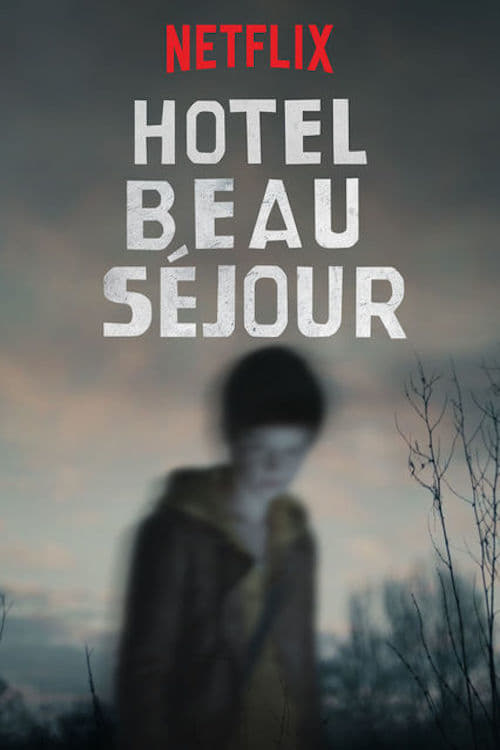
















Popular
What is the significance of Kato's ability to interact with the living after her death?
How does Kato's relationship with her father evolve throughout the series?
What role does the Hotel Beau Séjour play in Kato's story?
Who are the key suspects in Kato's murder, and what are their motivations?
What is the significance of the recurring theme of memory in Kato's journey?
Should I watch it?
Ask Your Own Question

What is the plot?
Kato, a young woman in her twenties, wakes up in a hotel room at Hotel Beau Séjour, disoriented and confused. She soon realizes that she is dead, having been murdered. Kato is a ghost, and she can interact with the living, but they cannot see or hear her. She discovers her own lifeless body in the bathtub, surrounded by blood, and is horrified. Determined to find out who killed her, she begins to investigate her own murder.
Kato attempts to communicate with her family and friends, starting with her father, who is staying at the hotel. She tries to reach out to him, but he cannot perceive her presence. Frustrated, she wanders through the hotel, where she encounters various guests and staff, but they remain oblivious to her. Kato's emotional state is one of desperation and confusion as she grapples with her new reality.
As Kato explores the hotel, she begins to piece together her last moments before her death. She recalls a party she attended with her friends, including her boyfriend, who seems to be hiding something. Kato's memories are fragmented, and she struggles to remember the events leading up to her murder. She feels a growing sense of urgency to uncover the truth, fearing that her killer may still be a threat to others.
Kato discovers that she can influence the physical world in small ways, such as moving objects or creating disturbances. She uses this ability to try to communicate with her loved ones, hoping to lead them to the truth. Her first significant attempt is to knock over a glass in the hotel lobby, which draws the attention of a hotel employee, who seems to sense something unusual.
Kato's investigation leads her to confront her friends, including her best friend, who appears to be hiding secrets. She learns that there were tensions and conflicts among her social circle, particularly regarding jealousy and betrayal. Kato's emotional turmoil deepens as she realizes that some of her closest friends may have motives for wanting her dead.
As Kato continues to dig deeper, she uncovers a series of lies and deceptions. She learns that her boyfriend had been unfaithful, and she confronts him in a moment of rage and heartbreak. Although he cannot see her, Kato expresses her feelings of betrayal and hurt, which intensifies her desire for revenge against those who wronged her.
Kato's investigation takes a darker turn when she discovers that her murder was not a random act of violence but rather a calculated plan involving someone she trusted. She begins to suspect that her best friend may have played a role in her death. This revelation sends Kato into a spiral of anger and despair, as she grapples with the idea that her closest confidante could betray her in such a horrific way.
In a pivotal moment, Kato confronts her best friend directly, using her ghostly powers to create a chilling atmosphere. Her friend, sensing Kato's presence, becomes increasingly paranoid and fearful. Kato's emotional state shifts from sadness to a fierce determination to make her friend confess the truth about her involvement in the murder.
As Kato's investigation progresses, she encounters a detective who is also trying to solve her murder. Although he cannot see her, Kato tries to guide him toward the evidence that will lead to her killer. She feels a sense of hope as she realizes that she may not be alone in her quest for justice.
The detective uncovers a crucial piece of evidence: a video from the night of Kato's murder that shows her arguing with someone just before her death. Kato watches the footage with a mix of dread and anticipation, hoping it will reveal the identity of her killer. The tension builds as the detective pieces together the timeline of events, leading to a confrontation with the suspects.
In the climax of the story, Kato's friends gather at the hotel for a memorial service in her honor. Kato, filled with a mix of anger and sorrow, confronts them one last time. She uses her ghostly abilities to create a series of supernatural occurrences, forcing her friends to face the truth about their actions and the consequences of their betrayal.
The final confrontation reveals the identity of Kato's murderer, who is ultimately someone she never expected. The emotional weight of the revelation hits Kato hard, as she grapples with feelings of loss and betrayal. In a moment of catharsis, Kato confronts her killer, demanding to know why they did it. The killer's confession is filled with regret and remorse, but it does little to ease Kato's pain.
In the aftermath, Kato's spirit begins to find peace as she comes to terms with her death and the betrayal she faced. She realizes that she must let go of her anger and resentment in order to move on. The series concludes with Kato's spirit finally departing from the hotel, leaving behind the memories of her life and the unresolved emotions tied to her murder. The hotel, once a place of joy, becomes a haunting reminder of the tragedy that unfolded within its walls.









What is the ending?
In the ending of "Hotel Beau Séjour," Kato, the protagonist, discovers the truth about her murder and the people involved. She confronts her killer, leading to a dramatic resolution that reveals the complexities of her relationships. The series concludes with Kato finding peace, while the other characters are left to grapple with the consequences of their actions.
As the final episodes unfold, Kato, the young woman trapped in a liminal space between life and death, continues her quest for answers. She has been piecing together the fragments of her last moments, haunted by the memories of her life and the people she loved. The atmosphere is thick with tension as she navigates the hotel, a place that has become both a sanctuary and a prison.
In a pivotal scene, Kato confronts her father, who has been a source of both comfort and confusion. The emotional weight of their conversation reveals the depth of their relationship, filled with unspoken words and regrets. Kato's father, visibly shaken, struggles with his own guilt and sorrow, realizing the impact of his actions on Kato's life. This moment is charged with raw emotion, as Kato seeks closure and understanding from the man who should have protected her.
As Kato delves deeper into the mystery, she uncovers the identity of her murderer. The revelation is shocking, as it involves someone she trusted deeply. The tension escalates as she confronts this person, leading to a climactic showdown. The confrontation is fraught with emotion, as Kato grapples with feelings of betrayal and anger. The killer, cornered and desperate, reveals their motivations, painting a complex picture of fear and desperation that led to the tragic events.
In the final moments, Kato's spirit begins to fade, symbolizing her acceptance of her fate. She finds solace in the memories of her life, the love she shared, and the friendships that defined her. The hotel, once a place of confusion and pain, transforms into a space of reflection and peace. Kato's journey culminates in a poignant farewell, as she lets go of her earthly ties and embraces the unknown.
The other characters are left to face the aftermath of Kato's death. Her father, burdened by guilt, seeks redemption, while the killer must confront the consequences of their actions. The emotional fallout ripples through their lives, forcing them to reckon with their choices and the impact they had on Kato.
In the end, Kato's story serves as a haunting reminder of the fragility of life and the complexities of human relationships. Each character is left to navigate their own path, forever changed by the events that transpired in the Hotel Beau Séjour.
Is there a post-credit scene?
Hotel Beau Séjour does not have a post-credit scene. The series concludes with a tightly woven narrative that wraps up the main plot threads without any additional scenes after the credits. The final moments focus on the resolution of Kato's journey and the revelations surrounding her death, leaving viewers with a sense of closure regarding her story. The emotional weight of the series culminates in the last episode, emphasizing themes of loss, memory, and the impact of unresolved issues on the living.
What is the significance of Kato's ability to interact with the living after her death?
Kato's ability to interact with the living after her death serves as a central narrative device that drives the plot forward. It allows her to uncover the mystery surrounding her murder, as she seeks to communicate with those who were close to her and piece together the events leading up to her death. This supernatural element creates a sense of urgency and emotional depth, as Kato grapples with her own feelings of confusion, betrayal, and the desire for justice.
How does Kato's relationship with her father evolve throughout the series?
Kato's relationship with her father, Leo, is complex and evolves significantly throughout the series. Initially, there is a sense of distance and unresolved tension between them, as Kato feels abandoned and misunderstood. As she uncovers the truth about her murder, she also learns more about her father's struggles and sacrifices. This journey leads to moments of reconciliation and understanding, highlighting the emotional weight of familial bonds even in the face of tragedy.
What role does the Hotel Beau Séjour play in Kato's story?
The Hotel Beau Séjour is not just a setting but a character in its own right, symbolizing both comfort and entrapment. It serves as the backdrop for Kato's memories and the events leading to her death. The hotel is filled with secrets and serves as a meeting point for Kato and the living, where she tries to piece together her past. Its eerie atmosphere enhances the mystery and tension, reflecting Kato's emotional state as she navigates her afterlife.
Who are the key suspects in Kato's murder, and what are their motivations?
Throughout the series, several key suspects emerge in Kato's murder, each with their own motivations. These include her friends, who may have had personal conflicts with her, and her romantic interests, who may have felt betrayed. The complexity of their relationships with Kato adds layers to the investigation, as their motivations range from jealousy and rivalry to love and protection. Each character's backstory and emotional struggles are intricately woven into the narrative, creating a rich tapestry of potential motives.
What is the significance of the recurring theme of memory in Kato's journey?
Memory plays a crucial role in Kato's journey as she attempts to piece together the fragmented recollections of her life and the events leading to her death. The series explores how memories can be unreliable, shaped by emotions and perceptions. Kato's struggle to remember key details reflects her internal conflict and desire for closure. This theme emphasizes the importance of understanding one's past to move forward, as Kato's quest for truth is intertwined with her need to reconcile her memories with the reality of her situation.
Is this family friendly?
"Hotel Beau Séjour" is a psychological thriller that contains several elements that may not be suitable for children or sensitive viewers. Here are some potentially objectionable or upsetting aspects:
-
Murder and Violence: The central plot revolves around a murder mystery, which includes scenes depicting violence and the aftermath of a murder. The emotional weight of these scenes can be intense.
-
Death and Grief: The show explores themes of death and the impact it has on loved ones. Characters experience profound grief, which can be emotionally heavy and distressing.
-
Supernatural Elements: The presence of ghosts and the exploration of the afterlife may be unsettling for younger viewers or those sensitive to supernatural themes.
-
Adult Themes: There are references to adult relationships and situations that may not be appropriate for younger audiences.
-
Psychological Tension: The atmosphere is often tense and suspenseful, which could be frightening for children or those who are sensitive to psychological thrillers.
Overall, the show is more suited for mature audiences due to its complex themes and emotional depth.









