


















Popular
What motivates Riphagen to betray the Jewish people during World War II?
How does the character of the police officer, who is conflicted about his role, evolve throughout the series?
What role does the character of the Jewish resistance play in the story?
How does Riphagen's relationship with his accomplices develop throughout the series?
What are the key moments that highlight Riphagen's ruthlessness in his dealings with the Jewish community?
Should I watch it?
Ask Your Own Question

What is the plot?
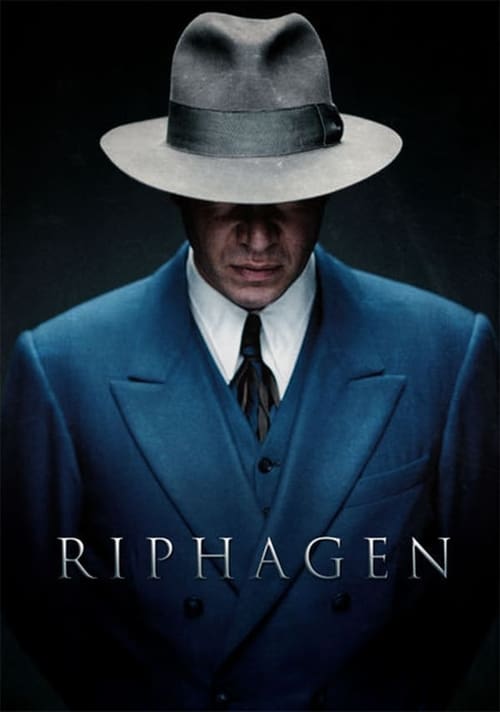
In the opening scenes of "Riphagen," we are introduced to the main character, Arnold Riphagen, a cunning and ruthless Dutch collaborator during World War II. The story begins in Amsterdam, where Riphagen is seen navigating the complexities of life under Nazi occupation. He is portrayed as a man who thrives on manipulation and deceit, using his charm to gain the trust of others while secretly betraying them.
As the narrative unfolds, we witness Riphagen's interactions with Jewish families who are trying to survive the horrors of the Holocaust. He presents himself as a protector, offering false promises of safety and assistance. However, his true intentions are revealed when he betrays these families to the Nazis for financial gain. This sets the tone for his character as a self-serving opportunist.
One significant plot point occurs when Riphagen encounters a Jewish couple, the Van Dams, who are desperate to escape the clutches of the Nazis. Riphagen feigns sympathy and offers to help them find a safe hiding place. However, he ultimately leads them to a trap, resulting in their arrest and deportation. This betrayal highlights Riphagen's cold-hearted nature and his willingness to sacrifice others for his own benefit.
As the story progresses, Riphagen's actions draw the attention of the Dutch resistance. A group of resistance fighters, led by a determined man named Johan, begins to investigate Riphagen's activities. They are aware of his treachery and are determined to stop him. Tension builds as the resistance plans to confront Riphagen and put an end to his betrayal of the Jewish community.
In a pivotal scene, Johan and his team gather intelligence on Riphagen's whereabouts. They learn that he is planning to sell out another Jewish family, the Cohen family, and decide to intervene. The resistance fighters set up a stakeout, waiting for the right moment to confront Riphagen. When he arrives to meet the Coens, the resistance springs into action, attempting to capture him.
A confrontation ensues, and Riphagen, realizing he is in danger, tries to escape. A chase breaks out through the narrow streets of Amsterdam, with Johan and his team pursuing Riphagen. The tension escalates as they navigate through alleyways and crowded markets, showcasing the desperation of both the pursuers and the pursued. Riphagen manages to evade capture, using his knowledge of the city to slip away.
Following this failed attempt to apprehend him, Riphagen becomes increasingly paranoid and cautious. He begins to take more drastic measures to protect himself, including turning on former allies and increasing his collaboration with the Nazis. His relationship with the occupying forces deepens, and he becomes more entrenched in their operations, further endangering the lives of those around him.
Meanwhile, the resistance continues to gather support and resources to take down Riphagen. They devise a plan to expose him publicly, hoping to rally the community against his treachery. As they work to gather evidence of his crimes, they also face internal conflicts and the constant threat of discovery by the Nazis.
In a climactic moment, the resistance finally gathers enough evidence to confront Riphagen publicly. They organize a meeting where they plan to reveal his true nature to the community. However, Riphagen, always one step ahead, learns of their plans and prepares to counteract their efforts. He uses his connections with the Nazis to create a diversion, leading to chaos during the meeting.
As the situation escalates, Riphagen's betrayal is exposed, but he manages to escape once again, leaving the resistance in disarray. The emotional toll of their failed attempts weighs heavily on Johan and his team, who are left to grapple with the consequences of their actions and the ongoing threat posed by Riphagen.
In the final act, Riphagen's luck begins to run out. The Nazis, who once relied on him, start to see him as a liability. As the war nears its end, Riphagen finds himself increasingly isolated. The resistance, now more determined than ever, launches a final effort to bring him to justice. They track him down to a safe house where he is hiding, and a tense standoff ensues.
In a dramatic confrontation, Johan and his team confront Riphagen, leading to a violent struggle. The scene is charged with emotion as the resistance fighters fight not only for their own lives but for the lives of those Riphagen has betrayed. The struggle culminates in a decisive moment where Riphagen's fate is sealed, and he is finally brought to justice for his heinous actions.
The series concludes with a somber reflection on the impact of Riphagen's betrayal and the resilience of those who fought against him. The emotional weight of the story lingers, highlighting the sacrifices made by the resistance and the enduring scars left by the war.









What is the ending?
In the ending of "Riphagen," the notorious Dutch collaborator, Riphagen, evades justice despite his heinous actions during World War II. The story culminates with the protagonist, a Jewish man named David, who has been deeply affected by Riphagen's betrayal. David's efforts to bring Riphagen to justice ultimately fail, and Riphagen continues to live freely, leaving a trail of destruction in his wake.
As the narrative unfolds in the final scenes, we see David grappling with the weight of his losses and the futility of his fight against Riphagen. The film closes with a sense of unresolved tension, highlighting the moral complexities of survival during the war and the lingering impact of betrayal.
The ending of "Riphagen" begins with a tense atmosphere as the war draws to a close. The streets of Amsterdam are filled with uncertainty, and the air is thick with the remnants of fear and betrayal. David, a Jewish man who has suffered greatly due to Riphagen's treachery, is determined to confront the man who has caused so much pain to him and his loved ones.
In a pivotal scene, David gathers with a group of resistance fighters, discussing their plans to capture Riphagen. The tension is palpable as they strategize, knowing that Riphagen is a slippery character who has evaded capture for too long. David's face reflects a mix of anger and desperation; he is driven not only by a desire for justice but also by the haunting memories of those he has lost.
As the plan unfolds, we see David's internal struggle. He is torn between the hope of bringing Riphagen to justice and the fear that their efforts may be in vain. The group sets out, moving through the shadowy streets, their hearts pounding with anticipation and dread. They finally locate Riphagen, who is living a life of luxury, seemingly untouched by the chaos around him.
In a dramatic confrontation, David and the resistance fighters confront Riphagen. The scene is charged with emotion as David faces the man who betrayed his family. Riphagen, however, is cunning and manipulative, using his charm and connections to evade the consequences of his actions. He manages to turn the situation to his advantage, escaping the clutches of justice once again.
As the dust settles, we see the aftermath of the confrontation. David is left standing in the empty street, the weight of his failure heavy on his shoulders. The camera lingers on his face, capturing the deep sorrow and frustration that has taken root within him. He realizes that despite his efforts, Riphagen remains free, a ghost haunting the lives of those he has wronged.
The film concludes with a haunting image of Riphagen, who walks away unscathed, a symbol of the moral ambiguity that permeated the war. David's fate is left uncertain, but it is clear that the scars of betrayal and loss will linger with him. The final moments serve as a poignant reminder of the complexities of survival and the enduring impact of betrayal, leaving the audience with a sense of unresolved tension and reflection on the nature of justice.
Is there a post-credit scene?
The TV show "Riphagen," produced in 2017, does not feature a post-credit scene. The series concludes its narrative without any additional scenes after the credits roll. The final moments of the show focus on the aftermath of the main character, Arie Riphagen, and the impact of his actions during World War II, leaving viewers with a sense of closure regarding his story. The absence of a post-credit scene emphasizes the gravity of the historical events depicted and the moral complexities surrounding Riphagen's character.
What motivates Riphagen to betray the Jewish people during World War II?
Riphagen, portrayed as a cunning and opportunistic character, is driven by greed and a desire for power. His betrayal stems from a calculated decision to exploit the vulnerable Jewish community for financial gain, showcasing his lack of moral integrity and deep-seated selfishness.
How does the character of the police officer, who is conflicted about his role, evolve throughout the series?
The police officer, initially portrayed as a loyal servant of the state, grapples with his conscience as he witnesses the atrocities committed against the Jewish population. His internal conflict intensifies as he becomes increasingly aware of Riphagen's treachery, leading to moments of hesitation and moral questioning that highlight his struggle between duty and humanity.
What role does the character of the Jewish resistance play in the story?
The Jewish resistance is depicted as a group of brave individuals who fight against the oppression and persecution they face. Their efforts to protect their community and resist Riphagen's schemes add tension to the narrative, showcasing their courage and determination in the face of overwhelming odds.
How does Riphagen's relationship with his accomplices develop throughout the series?
Riphagen's relationships with his accomplices are marked by manipulation and betrayal. Initially, he presents himself as a leader, but as the story progresses, his self-serving nature leads to distrust and eventual conflict among them, revealing the fragility of their alliances and the consequences of greed.
What are the key moments that highlight Riphagen's ruthlessness in his dealings with the Jewish community?
Key moments that showcase Riphagen's ruthlessness include his cold negotiations with Jewish families, where he demands exorbitant sums for false protection, and his betrayal of those who trust him, leading to their arrest and deportation. These scenes are filled with tension and emotional weight, emphasizing his complete disregard for human life.
Is this family friendly?
"Riphagen," produced in 2017, is not considered family-friendly due to its mature themes and content. The show is set during World War II and revolves around the life of the notorious Dutch collaborator, Arie Riphagen, who betrays Jewish families for personal gain.
Potentially objectionable or upsetting aspects include:
-
Violence and Brutality: The series depicts scenes of violence, including physical confrontations and the harsh realities of wartime, which may be distressing for younger viewers.
-
Themes of Betrayal and Deceit: The narrative centers on betrayal, particularly the betrayal of trust among friends and family, which can be emotionally heavy and unsettling.
-
Depictions of Persecution: The show portrays the persecution of Jewish individuals during the Holocaust, including scenes that may depict fear, desperation, and suffering.
-
Mature Language and Situations: There are instances of strong language and adult situations that may not be suitable for children.
-
Emotional Turmoil: Characters experience significant emotional distress, including fear, loss, and moral dilemmas, which could be upsetting for sensitive viewers.
Overall, the series deals with complex and dark historical themes that may not be appropriate for a younger audience or those who are sensitive to such content.