







Popular
What are the main character's motivations throughout the series?
How does the setting influence the characters' decisions and relationships?
How does Emma's relationship with her best friend evolve over the course of the show?
What challenges does Emma face in her family life?
What pivotal moment leads to Emma's character development in the series?
Should I watch it?
Ask Your Own Question

What is the plot?
In the opening scenes of "It's My Life," we are introduced to the protagonist, a young woman named Ria, who is navigating the complexities of her life as she approaches a significant birthday. Ria is portrayed as a vibrant and ambitious individual, but she feels the weight of societal expectations and familial pressures. Her relationship with her parents is strained, particularly with her mother, who has a clear vision of what Ria's life should look like. Ria's internal conflict is established as she grapples with her desire for independence versus her family's expectations.
As Ria prepares for her birthday, she receives an unexpected invitation to a party from her childhood friend, Sam. This invitation stirs up a mix of excitement and anxiety within her. Ria's friends encourage her to attend, seeing it as an opportunity to break free from her routine and embrace her individuality. The night of the party arrives, and Ria dresses in a way that reflects her true self, showcasing her desire to express her identity. At the party, she reconnects with old friends and meets new people, including a charming stranger named Alex, who captures her attention.
During the party, Ria and Alex share a deep conversation that reveals their mutual interests and aspirations. Ria feels a spark of connection, which contrasts sharply with her previous interactions with her family. However, as the night progresses, Ria's mother calls, demanding that she return home immediately. Torn between her newfound freedom and her obligations to her family, Ria ultimately decides to stay at the party, asserting her independence for the first time.
The following day, Ria faces the consequences of her decision. Her mother is furious, and a heated argument ensues, highlighting the generational clash between Ria's desire for autonomy and her mother's traditional values. Ria's emotional turmoil deepens as she feels guilty for disappointing her family but also exhilarated by her choice to prioritize her own happiness. This conflict sets the stage for Ria's journey of self-discovery.
As Ria continues to explore her identity, she begins to distance herself from her family's expectations. She takes up new hobbies, including painting and attending workshops, which allow her to express herself creatively. During this time, her relationship with Alex develops further, and they share intimate moments that reveal their vulnerabilities. Ria finds solace in Alex's understanding nature, and they become a source of support for each other.
However, Ria's newfound happiness is threatened when her parents discover her secret activities. They confront her about her choices, leading to a pivotal moment where Ria must decide whether to conform to their expectations or continue on her path of self-discovery. In a moment of clarity, Ria stands her ground, articulating her dreams and aspirations. This confrontation is emotionally charged, showcasing Ria's growth and determination to live life on her own terms.
As the story progresses, Ria faces external challenges that test her resolve. She encounters societal pressures and judgment from peers who do not understand her choices. Despite these obstacles, Ria remains steadfast in her pursuit of happiness. She and Alex navigate their relationship through these challenges, learning to communicate openly and support each other.
In a climactic sequence, Ria is presented with an opportunity to showcase her artwork at a local exhibition. This moment symbolizes her journey towards self-acceptance and the courage to embrace her passions. Ria's excitement is palpable as she prepares for the exhibition, but she also grapples with self-doubt and fear of rejection. The night of the exhibition arrives, and Ria's artwork is met with admiration, validating her efforts and reinforcing her belief in herself.
The story reaches its resolution as Ria reconciles with her family. After witnessing her success, her parents begin to understand her perspective. They engage in a heartfelt conversation, acknowledging their differences but also expressing their love and support for Ria's choices. This moment signifies a turning point in their relationship, as Ria's parents learn to appreciate her individuality.
In the final scenes, Ria stands confidently in her own skin, surrounded by friends and family who celebrate her achievements. The narrative concludes with Ria embracing her life fully, having navigated the complexities of identity, family, and self-acceptance. The journey she undertook is reflected in her radiant smile, symbolizing her triumph over adversity and her commitment to living life on her own terms.




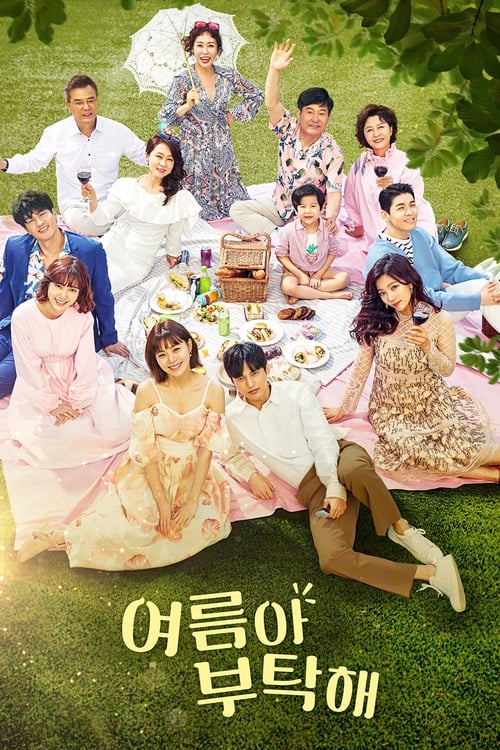

What is the ending?
In the ending of "It's My Life," the main character, a young girl named Rani, confronts her family and societal expectations, ultimately choosing to follow her own path. She stands up to her father, who has been controlling her life, and asserts her desire to pursue her dreams. The film concludes with Rani taking a bold step towards independence, symbolizing her growth and determination.
As the final scenes unfold, we see Rani sitting in her room, surrounded by her sketches and dreams of becoming an artist. The atmosphere is heavy with tension as her father enters, his expression a mix of anger and disappointment. He demands that she abandon her aspirations and focus on what he believes is best for her future. Rani, feeling the weight of her father's expectations, struggles internally, torn between her love for her family and her desire for freedom.
In a pivotal moment, Rani takes a deep breath, her heart racing as she gathers the courage to speak. She tells her father that she cannot live a life dictated by someone else's dreams. Her voice trembles with emotion, but there is a newfound strength in her words. She explains how art is not just a hobby for her; it is her passion and her identity. The room is silent, the tension palpable as her father processes her declaration.
Rani's mother, who has been a silent observer, finally steps in. She supports Rani's decision, revealing her own unfulfilled dreams and the sacrifices she made for the family. This revelation softens the father's stance, and he begins to see the weight of his expectations on Rani. The emotional exchange between the three characters is intense, filled with tears and heartfelt confessions.
As the scene shifts, we see Rani stepping out of her house, the sun shining brightly, symbolizing a new beginning. She walks towards an art gallery where her work is being displayed. The vibrant colors of her paintings reflect her journey and the struggles she has overcome. Friends and fellow artists gather around, celebrating her achievements. Rani's face lights up with joy, a stark contrast to the earlier tension at home.
In the final moments, Rani stands in front of her artwork, a sense of pride swelling within her. She realizes that she has taken control of her life, embracing her identity as an artist. The film closes with a shot of Rani smiling, surrounded by supportive friends, her future bright and full of possibilities. Each character has undergone a transformation: Rani has found her voice, her father has learned to let go, and her mother has reclaimed her own dreams. The ending encapsulates the film's message about the importance of self-discovery and the courage to pursue one's passions despite societal pressures.
Is there a post-credit scene?
In the 2018 TV show "It's My Life," there is no post-credit scene. The series concludes its narrative without any additional scenes after the credits roll. The final moments of the show focus on the resolution of the main character's journey, emphasizing themes of self-discovery and personal growth. The absence of a post-credit scene allows the audience to reflect on the character's development and the choices they made throughout the series, leaving a lasting emotional impact without any further narrative distractions.
What are the main character's motivations throughout the series?
The main character, a young woman named Emma, is driven by her desire for independence and self-discovery. Throughout the series, she grapples with the expectations placed on her by her family and society, seeking to carve out her own identity. Her internal struggles are depicted through her interactions with friends and family, showcasing her emotional turmoil as she navigates relationships and personal aspirations.
How does the setting influence the characters' decisions and relationships?
The setting of a small town plays a crucial role in shaping the characters' decisions and relationships. The close-knit community often feels stifling to Emma, who yearns for exploration beyond its borders. This backdrop amplifies the stakes of her choices, as everyone knows each other's business, leading to gossip and pressure. The town's limitations force Emma to confront her desires and the consequences of her actions, impacting her relationships with friends and family.
How does Emma's relationship with her best friend evolve over the course of the show?
Emma's relationship with her best friend, Sarah, begins as a supportive and carefree bond. However, as the series progresses, tensions arise due to differing life choices and ambitions. Sarah's desire for stability clashes with Emma's quest for adventure, leading to misunderstandings and emotional confrontations. Their friendship is tested, revealing deep-seated insecurities and the complexities of growing up together.
What challenges does Emma face in her family life?
Emma faces significant challenges within her family, particularly with her overbearing mother who has strict expectations for her future. This dynamic creates a constant source of conflict, as Emma feels suffocated by her mother's ambitions for her. The emotional strain is palpable, leading to heated arguments and moments of vulnerability where Emma expresses her longing for freedom and acceptance.
What pivotal moment leads to Emma's character development in the series?
A pivotal moment in Emma's character development occurs during a confrontation with her mother at a family gathering. In a heated exchange, Emma finally articulates her frustrations and dreams, leading to a breakthrough in their relationship. This moment of vulnerability not only strengthens Emma's resolve to pursue her own path but also marks a turning point in her relationship with her mother, who begins to understand Emma's perspective.
Is this family friendly?
"It's My Life," produced in 2018, is generally considered family-friendly, but it does contain some themes and scenes that may be sensitive for children or more sensitive viewers.
-
Emotional Struggles: The show delves into the emotional challenges faced by the characters, including feelings of loneliness, anxiety, and the pressure of societal expectations. These themes may resonate deeply and could be upsetting for some viewers.
-
Conflict and Tension: There are scenes of conflict between characters, which may include arguments or misunderstandings that could be distressing for younger audiences.
-
Family Dynamics: The portrayal of complex family relationships can sometimes lead to moments of tension or sadness, reflecting real-life issues that some families face.
-
Personal Identity: The exploration of personal identity and self-acceptance can lead to moments of vulnerability, which might be challenging for sensitive viewers to process.
-
Social Issues: The show touches on social issues that may be difficult to discuss, such as bullying or peer pressure, which could be triggering for some.
While the series aims to convey positive messages about self-discovery and resilience, these elements may require parental guidance for younger viewers.