


Popular
What challenges did the engineers face while constructing the railways in extreme environments?
How did the historical context influence the construction of the railways?
What personal sacrifices did the characters make for their railway projects?
What innovative technologies were introduced during the railway construction?
How did the characters deal with the failures and setbacks during construction?
Should I watch it?
Ask Your Own Question

What is the plot?
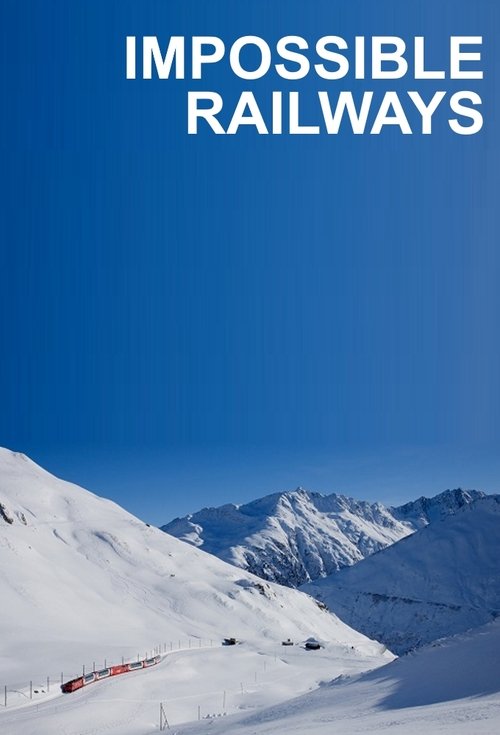
"Impossible Railways" is a documentary series that explores the engineering marvels and challenges of building railways in some of the most difficult terrains around the world. The series does not follow a traditional narrative structure with characters and plot twists, but rather presents various railway projects through a series of episodes, each focusing on different locations and the unique challenges faced in constructing railways.
The series begins with an introduction to the concept of railway construction in extreme environments, highlighting the importance of railways in connecting remote areas and facilitating trade and travel. The viewer is shown stunning visuals of rugged landscapes, dense forests, and mountainous regions where railways are either planned or under construction.
In the first episode, the focus is on the construction of the Darjeeling Himalayan Railway in India. The episode details the historical significance of the railway, which was built in the late 19th century. The narrative describes the challenges faced by engineers, including steep gradients and the need for innovative solutions like the use of zigzag tracks to navigate the terrain. Interviews with historians and engineers provide insight into the techniques used to overcome these obstacles, emphasizing the ingenuity required to build the railway.
The second episode shifts to the construction of the Trans-Siberian Railway in Russia. The episode chronicles the vast distances covered by the railway and the harsh climatic conditions encountered during its construction. The narrative highlights the logistical challenges of transporting materials across remote areas and the impact of the railway on the development of Siberia. The episode features archival footage and photographs, illustrating the scale of the project and the determination of the workers involved.
In the third episode, the series explores the challenges of building the railway through the Andes in Peru. The narrative focuses on the engineering feats required to construct tracks at high altitudes, including the use of tunnels and bridges. The emotional toll on the workers is highlighted, as many faced dangerous conditions and the threat of avalanches. The episode captures the breathtaking scenery of the Andes, juxtaposed with the struggles of the construction teams.
The fourth episode examines the construction of the railway in the Australian Outback. The harsh environment poses unique challenges, including extreme temperatures and difficult terrain. The episode showcases the innovative methods used to lay tracks in such conditions, including the use of specialized machinery. Interviews with workers reveal their personal experiences and the camaraderie developed among the teams as they faced the elements together.
The fifth episode focuses on the construction of the railway in the Himalayas, particularly the Qinghai-Tibet Railway in China. The narrative details the engineering challenges of building a railway at such high altitudes, including permafrost and the need for extensive tunneling. The episode emphasizes the environmental considerations taken into account during construction, as well as the impact on local communities.
Throughout the series, each episode concludes with a reflection on the significance of these railways in connecting people and places, showcasing the transformative power of rail transport. The stunning visuals, combined with personal stories from engineers and workers, create a compelling narrative that celebrates human ingenuity in the face of seemingly insurmountable challenges. The series ends with a montage of the completed railways, highlighting their importance in modern transportation and their role in shaping the regions they traverse.









What is the ending?
"Impossible Railways" concludes with a dramatic culmination of the characters' journeys and the challenges they face in the construction of a railway through treacherous terrain. The final scenes depict the successful completion of the railway, showcasing the triumph of human ingenuity and determination against the odds.
As the series progresses, the characters grapple with their personal motivations and the emotional weight of their ambitions. The ending emphasizes the sacrifices made and the relationships forged throughout the journey.
In the expanded narrative:
The final episode opens with a sweeping aerial shot of the completed railway, snaking through the rugged landscape. The camera zooms in on the main characters, who stand at the railway's terminus, their faces a mix of exhaustion and elation. Among them is the determined engineer, whose vision and relentless spirit have driven the project forward. He reflects on the countless obstacles they have overcome, from natural disasters to financial struggles, and the toll it has taken on his personal life.
As the scene shifts, we see the laborers who have worked tirelessly, their hands calloused and faces weathered. They share a moment of camaraderie, exchanging stories of their families and dreams for the future. The emotional weight of their sacrifices hangs in the air, as they acknowledge the risks they took to bring this railway to life.
Next, the narrative focuses on the project manager, who has faced immense pressure from investors and local authorities. In a quiet moment, he confides in a close colleague about his fears of failure and the burden of responsibility. This vulnerability reveals the internal conflict he has battled throughout the series, torn between ambition and the well-being of his team.
As the railway's inaugural train prepares to depart, the atmosphere is charged with anticipation. The engineer stands at the front, his heart racing as he watches the steam billow from the locomotive. He knows that this moment is not just a personal victory but a testament to the collective effort of everyone involved. The train whistles, and the crowd erupts in cheers, a celebration of their hard work and resilience.
In the final scenes, the camera captures the faces of the characters as they board the train, each one reflecting on their journey. The engineer gazes out the window, a mix of pride and sorrow in his eyes, knowing that while they have achieved something monumental, the journey has also cost them dearly. The project manager shares a knowing glance with the laborers, acknowledging their shared struggle and triumph.
As the train pulls away, the landscape blurs into a tapestry of colors, symbolizing the new beginnings that lie ahead. The series closes with a poignant reminder of the human spirit's capacity to overcome adversity, leaving viewers with a sense of hope and inspiration for the future. Each character's fate is intertwined with the railway they built, a lasting legacy of their determination and sacrifice.
Is there a post-credit scene?
"Impossible Railways," produced in 2018, does not feature a post-credit scene. The series focuses on the incredible stories behind some of the world's most challenging railway projects, showcasing the engineering feats and the human determination involved in their construction. Each episode concludes with a summary of the railway's impact and legacy, but there are no additional scenes or content after the credits. The emphasis remains on the historical and technical aspects of the railways rather than on any narrative continuation or cliffhanger.
What challenges did the engineers face while constructing the railways in extreme environments?
The engineers faced numerous challenges while constructing the railways in extreme environments, including harsh weather conditions, difficult terrain, and the need for innovative engineering solutions. For instance, in the episode featuring the construction of the railway through the Andes, the team had to deal with avalanches and landslides, which threatened their progress and safety. The emotional toll of working in such perilous conditions was palpable, as the engineers expressed both determination and fear, knowing that one misstep could lead to disaster.
How did the historical context influence the construction of the railways?
The historical context played a significant role in the construction of the railways, particularly during the Industrial Revolution. In one episode, the narrative delves into the socio-political climate of the time, highlighting how the demand for faster transportation fueled the urgency of railway projects. Characters like the chief engineer were motivated by a desire to connect distant communities and promote economic growth, but they also faced opposition from local populations who were concerned about the environmental impact and displacement.
What personal sacrifices did the characters make for their railway projects?
Throughout the series, characters made significant personal sacrifices for their railway projects. One poignant storyline follows a lead engineer who had to choose between spending time with his family and dedicating himself to the demanding schedule of the railway construction. His internal conflict is depicted through emotional scenes where he reflects on missed family events, showcasing the strain on his relationships and the toll that his commitment to the project takes on his personal life.
What innovative technologies were introduced during the railway construction?
The series highlights several innovative technologies introduced during the railway construction, such as the use of steam-powered machinery and advanced surveying techniques. In one episode, the introduction of a new type of locomotive is celebrated, showcasing its ability to navigate steep gradients. The excitement among the engineers is palpable as they test the locomotive, and the scene captures their pride and hope for the future of rail travel, emphasizing their belief in progress and innovation.
How did the characters deal with the failures and setbacks during construction?
The characters dealt with failures and setbacks during construction with a mix of resilience and despair. In a particularly dramatic episode, a major structural failure occurs, leading to a halt in progress. The lead engineer grapples with feelings of inadequacy and frustration, questioning his decisions and leadership. The emotional weight of the setback is illustrated through tense discussions among the team, where they must rally together to find solutions, showcasing their camaraderie and determination to overcome adversity.
Is this family friendly?
"Impossible Railways," produced in 2018, is a documentary series that explores the engineering marvels and challenges of railway construction around the world. While the show primarily focuses on the technical aspects and historical significance of railways, there are a few elements that might be considered potentially objectionable or upsetting for children or sensitive viewers.
-
Historical Context of Disasters: The series discusses various railway disasters and accidents that have occurred throughout history. These segments may include images or descriptions of tragic events, which could be distressing.
-
Engineering Challenges: Some scenes depict the dangers faced by workers during the construction of railways, including hazardous conditions and the risks involved in overcoming natural obstacles. This may evoke feelings of anxiety or concern.
-
Environmental Impact: The show addresses the environmental consequences of railway construction, which may include discussions about deforestation or habitat destruction. This could be upsetting for viewers sensitive to environmental issues.
-
Cultural Sensitivity: Certain episodes may touch on the impact of railway construction on indigenous communities or local populations, which could lead to discussions about displacement or cultural loss.
Overall, while "Impossible Railways" is primarily educational and focuses on engineering feats, these elements may require parental guidance for younger viewers or those who are particularly sensitive to such topics.