
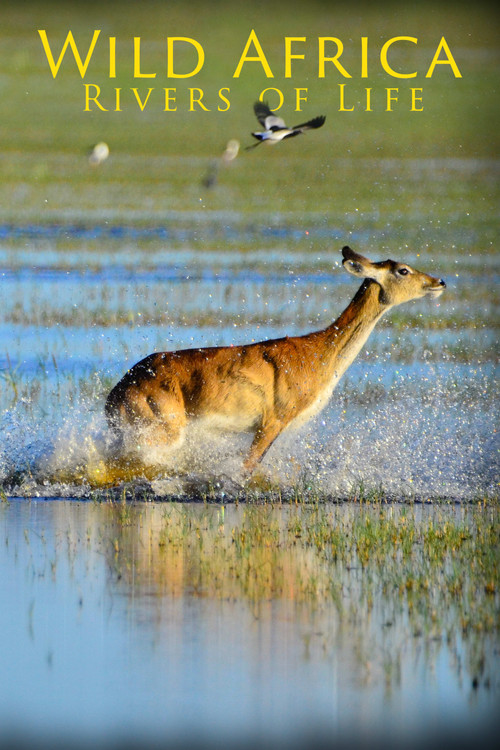



Popular
What are the main rivers featured in Wild Africa: Rivers of Life and how do they impact the wildlife around them?
How do the seasonal changes affect the behavior of the animals along the rivers?
What specific challenges do the animals face in their habitats along the rivers?
Which animal interactions are most prominently featured in the series, and what do they reveal about the ecosystem?
How does the documentary portray the relationship between local communities and the rivers?
Should I watch it?
Ask Your Own Question

What is the plot?
"Wild Africa: Rivers of Life" is a documentary series that explores the diverse ecosystems and wildlife along Africa's rivers. The series is divided into three episodes, each focusing on different river systems and the life they support.
The first episode begins with the Zambezi River, showcasing its breathtaking landscapes and the variety of life that thrives along its banks. The narrative opens with stunning aerial shots of the river winding through the African terrain, highlighting the lush vegetation and the vibrant colors of the wildlife. The camera captures the early morning mist rising from the water, setting a serene tone.
As the episode progresses, the focus shifts to the animals that depend on the Zambezi River for survival. We see elephants making their way to the river to drink, their massive bodies silhouetted against the rising sun. The filmmakers capture the emotional weight of these moments, emphasizing the elephants' social bonds as they interact with one another, especially the nurturing behavior of mothers towards their calves.
The narrative then introduces the hippos, showcasing their territorial nature. The camera dives underwater to reveal the hippos' world, where they spend much of their time submerged. Tension builds as a confrontation occurs between two male hippos vying for dominance. The filmmakers detail the physicality of the fight, with the hippos clashing and displaying their powerful jaws, creating ripples in the water that echo the intensity of their struggle.
Next, the focus shifts to the river's smaller inhabitants, such as the fish and the birds that rely on the river for food. The filmmakers highlight the intricate relationships within the ecosystem, showing how the fish are caught by herons and kingfishers. The emotional stakes rise as the narrative illustrates the delicate balance of life and death in this environment.
The episode culminates in the seasonal flooding of the Zambezi, which transforms the landscape. The filmmakers capture the dramatic changes as the river overflows its banks, creating new habitats for various species. The emotional tone shifts to one of hope and renewal, as the floodwaters bring life to the parched land, allowing new plants to grow and attracting a multitude of animals.
The second episode transitions to the Okavango Delta, where the narrative explores the unique ecosystem created by the river's seasonal flooding. The filmmakers present the delta's beauty through sweeping shots of the waterways and the lush greenery that emerges. The emotional atmosphere is one of tranquility, as the camera captures the peaceful coexistence of various species.
As the story unfolds, the focus turns to the predators of the delta, particularly the lions. The filmmakers document a pride of lions as they navigate the challenges of hunting in this watery landscape. The tension escalates as the lions attempt to stalk a herd of antelope, showcasing their strategic planning and teamwork. The emotional stakes are high as the lions face the possibility of failure, which would mean hunger for the pride.
The narrative then shifts to the challenges faced by the animals during the dry season. The filmmakers illustrate the struggle for survival as water sources dwindle. The emotional weight of this struggle is palpable as we witness the desperation of the animals, particularly the elephants, who travel long distances in search of water. The filmmakers capture the exhaustion and determination etched on their faces.
The episode concludes with the arrival of the rains, which rejuvenate the delta. The filmmakers depict the transformation of the landscape, with water flowing back into the channels and life returning to the area. The emotional tone shifts to one of relief and joy, as the animals celebrate the return of water and the abundance it brings.
The final episode focuses on the Congo River, one of the largest rivers in Africa. The narrative begins with the dense rainforest surrounding the river, showcasing the rich biodiversity that thrives in this environment. The filmmakers capture the vibrant colors and sounds of the jungle, immersing the audience in the lush surroundings.
As the story progresses, the focus shifts to the unique wildlife of the Congo, including the elusive okapi and the powerful gorillas. The filmmakers document the daily lives of these animals, highlighting their behaviors and interactions. The emotional depth of the narrative is enhanced by the intimate moments captured between mothers and their young, showcasing the bonds that exist within these species.
The narrative then introduces the challenges faced by the wildlife due to deforestation and human encroachment. The filmmakers present a stark contrast between the beauty of the natural world and the destruction caused by logging. The emotional impact is profound as the audience witnesses the loss of habitat and the struggles of the animals to adapt to their changing environment.
The episode culminates in a powerful message about the importance of conservation. The filmmakers highlight the efforts of local communities and organizations working to protect the river and its inhabitants. The emotional tone shifts to one of hope as the narrative emphasizes the potential for positive change and the resilience of nature.
Throughout the series, the filmmakers weave together stunning visuals, emotional storytelling, and a deep respect for the natural world, creating a rich tapestry that celebrates the life-giving power of Africa's rivers.









What is the ending?
In the ending of "Wild Africa: Rivers of Life," the narrative culminates in a powerful depiction of the interconnectedness of life along the rivers of Africa. The film showcases the resilience of various species as they adapt to the changing environment, emphasizing the cyclical nature of life and the importance of water in sustaining ecosystems. The final scenes highlight the beauty of the rivers and the wildlife that depend on them, leaving viewers with a sense of hope for the future of these vital habitats.
As the film draws to a close, we are taken on a journey through the final moments of the river's life cycle. The camera pans over the vast landscapes, capturing the shimmering waters that weave through the African terrain. The sun begins to set, casting a golden hue over the riverbanks, where animals gather to drink and bathe. Elephants, with their majestic presence, wade into the water, their trunks playfully splashing as they quench their thirst. The scene is filled with a sense of tranquility, yet there is an underlying tension as the film reminds us of the challenges these creatures face.
Next, we witness the delicate balance of life as predators and prey interact. A pride of lions is shown resting under the shade of a tree, their eyes alert for any signs of movement. The camera shifts to a herd of wildebeest grazing nearby, unaware of the lurking danger. The tension builds as the lions prepare for a hunt, showcasing the raw instincts of survival that drive these animals. The film captures the moment of the chase, the adrenaline palpable as the wildebeest scatter in a desperate bid for safety.
As the hunt unfolds, the film juxtaposes the harsh realities of nature with the beauty of the river's ecosystem. The lions, driven by hunger, ultimately succeed in their pursuit, a stark reminder of the cycle of life and death that defines the wilderness. The camera lingers on the aftermath, highlighting the resilience of the remaining herd as they regroup and continue their journey, embodying the spirit of survival.
In the final scenes, the focus shifts back to the river itself, now reflecting the vibrant colors of the sunset. The film emphasizes the importance of water as a life source, showcasing various species that rely on the river for sustenance. Fish leap from the water, birds dive in for a catch, and hippos bask in the shallows, all interconnected in this intricate web of life.
As the credits roll, viewers are left with a poignant reminder of the fragility of these ecosystems and the need for conservation. The film concludes with a sense of hope, illustrating that despite the challenges faced by wildlife, the rivers of Africa continue to flow, nurturing life and inspiring awe in all who witness their beauty. The fate of the main characters--both predator and prey--remains intertwined with the fate of the rivers, symbolizing the enduring connection between all living beings and their environment.
Is there a post-credit scene?
The TV show "Wild Africa: Rivers of Life," produced in 2018, does not feature a post-credit scene. The series focuses on the intricate ecosystems and the diverse wildlife that thrive along Africa's rivers, showcasing the beauty and challenges of these environments. Each episode concludes with a reflection on the interconnectedness of life along the rivers, but there are no additional scenes or content after the credits. The emphasis remains on the natural world and the stories of the animals and plants that inhabit these vital waterways.
What are the main rivers featured in Wild Africa: Rivers of Life and how do they impact the wildlife around them?
The documentary prominently features several key rivers, including the Zambezi, the Okavango, and the Limpopo. Each river serves as a lifeline for the surrounding ecosystems, providing water, food, and habitat for a diverse array of wildlife. The Zambezi, for instance, is depicted as a powerful force that shapes the landscape and influences the migration patterns of elephants and hippos. The Okavango Delta is shown as a unique wetland that supports a rich biodiversity, where animals like crocodiles and various bird species thrive. The Limpopo River, on the other hand, is portrayed as a crucial resource for both wildlife and local communities, illustrating the interconnectedness of nature and human life.
How do the seasonal changes affect the behavior of the animals along the rivers?
Seasonal changes play a critical role in the behavior of animals along the rivers. During the rainy season, rivers swell, creating lush environments that attract large herds of herbivores, such as wildebeest and zebras, which come to graze on the abundant vegetation. This influx of prey also draws predators like lions and crocodiles, leading to dramatic interactions. Conversely, in the dry season, water sources dwindle, forcing animals to congregate around the remaining rivers, heightening competition and tension among species. The documentary captures these shifts beautifully, showcasing the struggle for survival and the instinctual drives that govern animal behavior.
What specific challenges do the animals face in their habitats along the rivers?
Animals along the rivers face numerous challenges, including habitat loss due to human encroachment, poaching, and climate change. The documentary highlights the plight of species like the African elephant, which must navigate shrinking territories as agriculture expands. Additionally, the film illustrates the dangers posed by predators, such as lions stalking their prey during the dry season when food is scarce. The struggle for survival is palpable, as animals must constantly adapt to their changing environment, showcasing their resilience and the harsh realities of life in the wild.
Which animal interactions are most prominently featured in the series, and what do they reveal about the ecosystem?
The series prominently features interactions between predators and prey, such as lions hunting wildebeest and crocodiles ambushing unsuspecting animals at the water's edge. These interactions reveal the delicate balance of the ecosystem, where each species plays a vital role in maintaining the health of the environment. The documentary captures the tension and drama of these moments, illustrating the instinctual behaviors that drive survival. For instance, the film shows how wildebeest use their numbers to protect against predators, while also highlighting the cunning strategies employed by lions to outsmart their prey.
How does the documentary portray the relationship between local communities and the rivers?
The documentary portrays the relationship between local communities and the rivers as one of deep interdependence. It showcases how communities rely on the rivers for water, fishing, and agriculture, emphasizing the cultural significance of these waterways. The film highlights traditional practices and the knowledge passed down through generations, illustrating how locals have adapted to the rhythms of the rivers. However, it also addresses the challenges posed by modern development and conservation efforts, revealing the tension between preserving wildlife and meeting the needs of human populations. This nuanced portrayal underscores the importance of sustainable practices to ensure the health of both the rivers and the communities that depend on them.
Is this family friendly?
"Wild Africa: Rivers of Life," produced in 2018, is a nature documentary that explores the diverse ecosystems and wildlife along Africa's rivers. While the show is generally family-friendly and aims to educate viewers about the beauty and complexity of nature, there are a few aspects that might be considered objectionable or upsetting for children or sensitive viewers:
-
Predation Scenes: The documentary includes scenes of predators hunting and capturing prey, which can be graphic and may upset younger viewers or those sensitive to animal violence.
-
Animal Struggles: There are moments that depict animals in distress, such as during droughts or when they are injured, which can evoke strong emotional responses.
-
Natural Deaths: The cycle of life and death is a central theme, and viewers may witness the natural deaths of animals, which can be poignant and distressing.
-
Environmental Challenges: The show addresses issues like habitat loss and the impact of climate change on wildlife, which may be concerning for sensitive viewers who are aware of these global issues.
Overall, while the documentary is educational and visually stunning, parents may want to preview certain segments to determine their appropriateness for younger audiences.