
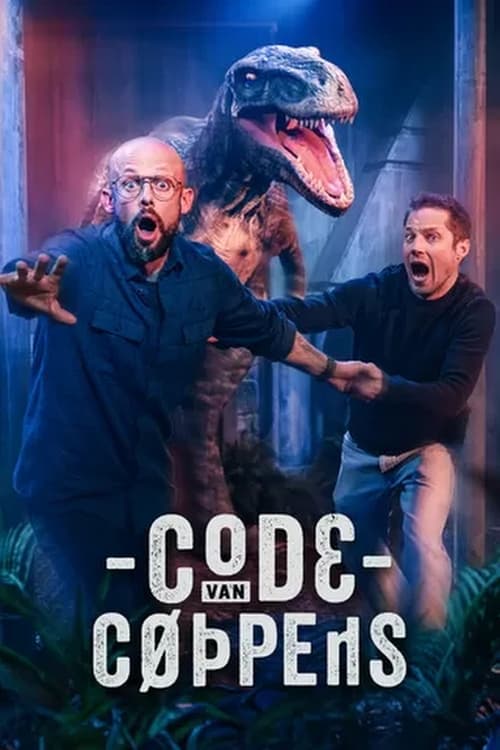





Popular
What unique challenges do the contestants face in the special episodes of Code van Coppens?
How do the dynamics between the contestants evolve throughout the specials?
What role does the host play in guiding the contestants during the specials?
Are there any standout moments or surprises that occur during the specials?
How do the contestants' backgrounds influence their strategies in the specials?
Should I watch it?
Ask Your Own Question

What is the plot?
In the first episode of "Code van Coppens: Specials," the show opens with a dramatic introduction to the concept of the escape room challenge. The host, alongside a group of contestants, explains the rules and the stakes involved. The contestants are divided into teams, and they are given a brief overview of the escape room's theme, which is set in a mysterious, dimly lit environment filled with intricate puzzles and clues. The atmosphere is tense as the contestants express a mix of excitement and anxiety about the challenges ahead.
As the teams enter the escape room, they are immediately confronted with a series of locked doors and cryptic messages. The first major puzzle involves deciphering a code that is hidden within a series of paintings on the wall. The contestants work together, discussing their interpretations and trying to piece together the clues. Tension rises as time ticks away, and the pressure to solve the puzzle mounts. One contestant, feeling the weight of the challenge, takes the lead and suggests a methodical approach to examining each painting.
After several minutes of intense collaboration, the team successfully decodes the first puzzle, which unlocks a hidden compartment revealing a key. This key is crucial as it opens the first door, leading them into a new room filled with even more complex challenges. The contestants are visibly relieved but quickly realize that the next set of puzzles is significantly more difficult. They encounter a large, intricate mechanism that requires them to align various symbols in a specific order.
As they work on this new puzzle, internal conflicts begin to surface. One contestant feels sidelined and frustrated with the group's dynamics, leading to a heated argument about strategy. This conflict momentarily distracts the team, causing them to lose precious time. However, another member steps in to mediate, reminding everyone of their common goal and encouraging them to refocus on the task at hand.
With renewed determination, the team collaborates effectively and manages to solve the mechanism puzzle, which reveals a hidden passageway. They enter this new area, which is darker and more foreboding. Here, they find a series of riddles that require not only logic but also emotional intelligence to solve. The contestants must draw on their personal experiences and insights to answer the riddles, which leads to deeper conversations about their lives and motivations.
As they progress, they encounter a final challenge that tests their teamwork and trust. They must navigate a room filled with laser beams, where one wrong move could trigger an alarm. The team must communicate clearly and support one another as they maneuver through the beams. This sequence is filled with suspense, as each contestant takes turns guiding the others, showcasing their individual strengths and vulnerabilities.
Finally, after successfully navigating the laser maze, the team reaches the last door, which requires a final code to unlock. They reflect on their journey, recalling the clues and experiences they've shared. In a moment of clarity, one contestant remembers a crucial detail from earlier in the game, leading them to input the correct code. The door swings open, and they emerge victorious, filled with a mix of exhilaration and relief.
The episode concludes with the contestants celebrating their success, sharing laughs and stories about their experiences in the escape room. They express gratitude for the teamwork and friendships formed during the challenge, setting the stage for future episodes where they will face new and even more daunting challenges.








What is the ending?
In the ending of "Code van Coppens: Specials," the contestants face their final challenge, where they must solve a series of intricate puzzles to escape a locked room. As tensions rise, they work together, showcasing their individual strengths and weaknesses. Ultimately, they manage to solve the final puzzle just in time, escaping the room and celebrating their victory. Each character reflects on their journey, acknowledging the bonds they formed throughout the experience.
As the final challenge begins, the atmosphere in the room is thick with anticipation. The contestants, a diverse group of individuals, stand before a large, ominous door that symbolizes both their final obstacle and their potential freedom. The camera pans across their faces, capturing a mix of determination and anxiety. Each contestant knows that this is not just a test of intellect but also a measure of their teamwork and resilience.
The first scene unfolds as the host explains the rules of the final challenge. The contestants listen intently, their eyes darting between the host and the door. The stakes are high; failure means they will not escape, and the weight of that possibility hangs heavily in the air. The host's voice echoes, emphasizing the importance of collaboration, and the contestants nod, silently vowing to support one another.
As the door creaks open, revealing a dimly lit room filled with various puzzles and clues, the contestants step inside. The camera captures their initial reactions--some gasp in awe, while others furrow their brows in concentration. They quickly split into smaller groups, each tackling different puzzles. The scene shifts between the groups, showcasing their unique approaches. One group focuses on a complex riddle, while another works on a physical puzzle that requires dexterity and teamwork.
Tension mounts as time ticks away. Frustration begins to seep in; one contestant, feeling the pressure, snaps at another, causing a brief rift in their collaboration. The camera zooms in on their faces, revealing the internal struggle of wanting to succeed but also the strain of the situation. However, after a moment of reflection, they apologize, realizing that unity is their strongest asset. This moment of vulnerability strengthens their bond, and they refocus on the task at hand.
As they progress, the puzzles become increasingly challenging. The contestants must think outside the box, relying on their individual strengths. One contestant, known for their analytical skills, deciphers a particularly tricky code, while another, with a knack for physical challenges, solves a mechanical puzzle that unlocks a crucial clue. The camera captures their excitement as they share breakthroughs, their camaraderie growing with each solved puzzle.
Finally, they reach the last puzzle, a complex combination of all the skills they have honed throughout the competition. The clock is ticking down, and the pressure is palpable. They huddle together, brainstorming ideas, their faces a mix of hope and desperation. As they piece together the final clues, the atmosphere shifts from tension to exhilaration. With seconds to spare, they solve the last puzzle, and the door swings open, revealing the outside world.
The contestants erupt in cheers, their relief and joy palpable. They embrace one another, tears of happiness streaming down their faces. Each character reflects on their journey, acknowledging the personal growth they experienced and the friendships they forged. The camera captures their smiles, a testament to their shared triumph.
As they step outside, the sun shines brightly, symbolizing a new beginning. Each contestant takes a moment to express their gratitude for the experience, recognizing that while they came as strangers, they leave as friends. The final scene fades out with them walking together, laughter echoing in the air, a powerful reminder of the bonds formed through adversity. The fate of each character is one of growth and connection, having faced their fears and emerged stronger together.
Is there a post-credit scene?
In the "Specials" season of Code van Coppens, there is indeed a post-credit scene that adds an intriguing layer to the overall narrative.
As the credits roll, the screen fades to black before transitioning to a dimly lit room filled with various artifacts and clues from the episodes. The camera pans slowly across the room, revealing a large, ornate map pinned to the wall, with strings connecting different locations, hinting at a larger mystery that ties the episodes together.
Suddenly, a shadowy figure enters the frame, their face obscured by a hood. They approach the map, tracing a finger along one of the strings, which leads to a location marked with a red "X." The figure pauses, glancing over their shoulder as if ensuring they are not being watched. A sense of urgency fills the air, and the tension is palpable.
The figure then pulls out a small device, pressing a button that illuminates the map with a soft glow. A voice, distorted and echoing, breaks the silence: "The game is far from over. They will never see it coming."
As the camera zooms in on the glowing map, the screen cuts to black, leaving viewers with a sense of anticipation and curiosity about what lies ahead in future episodes. The post-credit scene effectively teases a deeper conspiracy and sets the stage for potential new challenges for the characters, heightening the emotional stakes and intrigue surrounding the series.
What unique challenges do the contestants face in the special episodes of Code van Coppens?
In the special episodes of Code van Coppens, contestants encounter a variety of unique challenges that test their problem-solving skills and teamwork. Each episode features intricate puzzles and physical tasks that are designed to push the limits of their creativity and endurance. For instance, they may have to decipher complex codes while racing against the clock, navigate through elaborate obstacle courses, or solve riddles that require both mental acuity and collaboration.
How do the dynamics between the contestants evolve throughout the specials?
Throughout the specials, the dynamics between contestants evolve significantly as they face various challenges together. Initially, there may be a sense of competition and rivalry, but as they work through the puzzles, bonds begin to form. Emotional moments arise when contestants support each other during difficult tasks, showcasing their vulnerabilities and strengths. This evolution highlights the importance of teamwork and camaraderie, ultimately leading to a more cohesive group.
What role does the host play in guiding the contestants during the specials?
The host plays a crucial role in guiding the contestants throughout the specials of Code van Coppens. They provide essential instructions, clarify rules, and offer encouragement during challenging moments. The host's engaging personality helps to maintain a lively atmosphere, while their ability to read the contestants' emotional states allows them to offer support when tensions rise. This interaction adds depth to the viewing experience, as audiences witness the host's influence on the contestants' morale.
Are there any standout moments or surprises that occur during the specials?
Yes, the specials of Code van Coppens are filled with standout moments and surprises that keep both contestants and viewers on the edge of their seats. Unexpected twists, such as surprise challenges or the introduction of new game elements, create thrilling scenarios. Additionally, emotional revelations among contestants, such as personal stories or past experiences, add depth to the competition, making these moments memorable and impactful.
How do the contestants' backgrounds influence their strategies in the specials?
The contestants' diverse backgrounds significantly influence their strategies in the specials of Code van Coppens. Each contestant brings unique skills and experiences to the table, which shapes their approach to the challenges. For example, a contestant with a background in engineering may excel in solving technical puzzles, while another with strong interpersonal skills may focus on rallying the team. This variety not only affects individual performance but also impacts group dynamics, as they learn to leverage each other's strengths.
Is this family friendly?
"Code van Coppens: Specials" is generally designed to be family-friendly, but there are a few aspects that might be considered objectionable or upsetting for children or sensitive viewers.
-
Mild Tension and Suspense: The show features scenarios that create suspense, which may be intense for younger viewers. The atmosphere can be charged with mystery and urgency, potentially causing anxiety.
-
Thematic Elements: The show revolves around solving puzzles and mysteries, which may include themes of deception or trickery. Some children might find these themes confusing or unsettling.
-
Physical Challenges: Certain challenges may involve physical tasks that could be perceived as dangerous or risky, which might concern parents about the portrayal of safety.
-
Emotional Reactions: Contestants often experience stress, frustration, or disappointment during challenges, which could be upsetting for sensitive viewers who empathize deeply with their struggles.
-
Competitive Nature: The competitive aspect of the show can lead to heightened emotions, including rivalry and tension among participants, which might not be suitable for all children.
Overall, while the show is crafted to be entertaining for a broad audience, these elements may warrant parental discretion for younger viewers.









