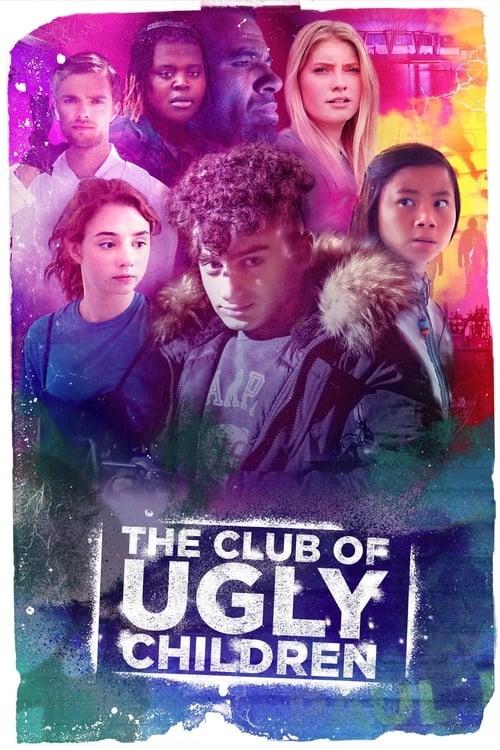







Popular
How does the character of Max evolve throughout the series?
What role does friendship play in the development of the plot?
What are the unique abilities of the main characters in The Club of Ugly Children?
What is the significance of the secret hideout for the children?
Who is the main antagonist in The Club of Ugly Children, and what are their motivations?
Should I watch it?
Ask Your Own Question

What is the plot?
In a small town, a group of children who are considered "ugly" by societal standards forms a secret club. The main character, a girl named Mia, is introduced as she struggles with her self-image and the bullying she faces at school. She feels isolated and misunderstood, longing for acceptance. The club is formed in a hidden treehouse, where Mia and her friends, each with their own unique physical traits that set them apart, gather to share their experiences and support one another.
As the story unfolds, the group learns about a local beauty pageant that is set to take place. The pageant is a significant event in their town, and the children feel a mix of curiosity and resentment towards it. They decide to attend the pageant, hoping to understand why beauty is so highly valued. During the event, they witness the superficiality of the competition and the pressure placed on the contestants, which deepens their bond and resolve to embrace their differences.
Mia's internal conflict intensifies as she grapples with her desire to fit in while also wanting to celebrate her uniqueness. She begins to take on a leadership role within the club, encouraging her friends to express themselves and be proud of who they are. This newfound confidence leads them to create a plan to disrupt the pageant, aiming to make a statement about beauty standards.
The night before the pageant, the children gather in their treehouse to finalize their plan. They decide to create a performance that showcases their talents and individuality, intending to present it during the pageant. Each member of the club contributes their unique skills, from singing to dancing, and they practice late into the night, filled with excitement and nervousness.
On the day of the pageant, the children sneak into the venue, hiding backstage. As the pageant progresses, they wait for the right moment to make their entrance. When the time comes, they burst onto the stage, surprising the audience. Their performance is a mix of humor, talent, and heartfelt messages about self-acceptance and the importance of inner beauty.
The crowd is initially taken aback, but as the performance continues, they begin to cheer and support the children. The judges are visibly confused but intrigued by the unexpected act. Mia feels a surge of empowerment as she leads her friends in their performance, finally embracing her identity and encouraging others to do the same.
As the performance concludes, the audience erupts in applause, and the children take a bow, feeling a sense of accomplishment and validation. However, the pageant organizers are furious and attempt to remove them from the stage. A confrontation ensues, with Mia standing her ground, passionately defending their right to express themselves. The tension escalates, but the support from the audience grows stronger, leading to a standoff between the children and the organizers.
In the aftermath of the performance, the children are celebrated by their peers and the community for their bravery. The pageant is ultimately disrupted, and the organizers are forced to acknowledge the importance of diversity and acceptance. Mia and her friends are invited to share their story in local media, becoming advocates for self-acceptance and challenging beauty norms.
The series concludes with the children reflecting on their journey, realizing that their differences are what make them special. They vow to continue supporting one another and to spread their message of acceptance beyond their town, solidifying their bond as a club that stands for individuality and self-love.









What is the ending?
In the ending of "The Club of Ugly Children," the main characters confront their fears and insecurities, ultimately embracing their uniqueness. They band together to stand up against the societal pressures that have marginalized them. The story concludes with a sense of acceptance and friendship, as they find strength in their differences and support one another.
As the final act unfolds, the scene opens in the dimly lit basement where the Club of Ugly Children has gathered for one last meeting. The air is thick with tension, as the group discusses their plan to confront the bullies who have tormented them throughout the series. Each child expresses their fears, revealing their vulnerabilities. Max, the leader, stands at the forefront, his determination shining through despite his own insecurities about his appearance. He encourages the others, reminding them of the bond they share and the strength they possess as a group.
The scene shifts to the schoolyard, where the bullies are gathered, laughing and jeering. The Club of Ugly Children approaches, their hearts pounding in unison. As they step into the light, the camera captures their nervous expressions, but also the glimmers of resolve in their eyes. They stand together, forming a united front, and Max steps forward to speak. His voice trembles at first, but as he continues, it grows stronger. He addresses the bullies, challenging their cruelty and asserting their right to exist without fear of judgment.
The bullies, taken aback by the unexpected confrontation, initially respond with mockery. However, the tide begins to turn when the other members of the club share their own stories of hurt and rejection. Each child reveals a personal experience, their voices rising in unison, creating a powerful chorus of defiance. The emotional weight of their words begins to resonate, not just with the bullies, but with the onlookers who have gathered to witness the confrontation.
As the scene progresses, the bullies start to falter, their bravado crumbling under the weight of the children's honesty. The camera pans to the faces of the onlookers, who begin to show signs of empathy and understanding. The atmosphere shifts, and the bullies, realizing they are losing their audience, retreat in embarrassment.
In the aftermath, the Club of Ugly Children stands victorious, their bond stronger than ever. They embrace one another, tears of relief and joy streaming down their faces. Max, feeling a sense of pride and accomplishment, reflects on how far they have come together. The camera captures the warmth of their friendship, highlighting the beauty in their differences.
The final scene transitions to a montage of the children engaging in various activities, showcasing their individuality and talents. They are seen painting, playing music, and participating in school events, no longer hiding in the shadows. The screen fades to black, leaving the audience with a sense of hope and the message that true beauty lies in acceptance and friendship.
In terms of character fates, Max emerges as a confident leader, having found his voice and purpose. Lily, who struggled with her self-image, learns to embrace her uniqueness and becomes an advocate for others. Sam, who often felt invisible, discovers his talent for art and gains recognition for his work. Each member of the club finds a place where they belong, united by their experiences and the strength they draw from one another. The story concludes with a powerful affirmation of self-acceptance and the importance of community, leaving a lasting impact on both the characters and the audience.
Is there a post-credit scene?
In "The Club of Ugly Children," there is indeed a post-credit scene that adds an intriguing layer to the story. After the credits roll, the screen fades back in to a dimly lit room filled with various oddities and artifacts collected by the main characters throughout their adventures.
The camera pans slowly across the room, revealing a large, dusty mirror that stands against the wall. As the camera focuses on the mirror, a faint shimmer begins to appear on its surface. Suddenly, the reflection shows the main characters--each with their unique quirks and features--gathered around a table, laughing and sharing stories about their latest escapades.
The atmosphere is warm and filled with camaraderie, showcasing their bond despite the challenges they faced. However, as the laughter fades, the mirror's surface ripples, and a shadowy figure appears behind them, watching silently. The figure is indistinct, cloaked in darkness, and its presence sends a chill through the room.
The scene ends with a close-up of the mirror, where the shadowy figure raises a hand, and the screen cuts to black, leaving viewers with a sense of mystery and anticipation for what might come next. This post-credit moment hints at unresolved conflicts and potential new threats, emphasizing the ongoing journey of the characters and their struggles against societal perceptions of beauty and acceptance.
How does the character of Max evolve throughout the series?
Max, initially portrayed as a shy and insecure boy, undergoes significant character development throughout the series. As he faces various challenges alongside his friends, he learns to embrace his uniqueness and stand up for himself. His journey is marked by moments of self-doubt, but with the support of the club, he gradually transforms into a more confident and assertive leader, ultimately helping to unite the group against external threats.
What role does friendship play in the development of the plot?
Friendship is a central theme that drives the plot forward in The Club of Ugly Children. The bonds formed between the characters are tested through various trials, including external threats and personal struggles. Their loyalty to one another fuels their determination to overcome obstacles, and moments of conflict often lead to deeper understanding and growth. The strength of their friendship ultimately empowers them to confront challenges, showcasing the importance of unity in the face of adversity.
What are the unique abilities of the main characters in The Club of Ugly Children?
The main characters in The Club of Ugly Children each possess unique abilities that set them apart. For instance, one character has the power to manipulate shadows, allowing them to blend into darkness and become nearly invisible. Another character can communicate with animals, forming bonds that help the group navigate challenges. These abilities not only highlight their individuality but also play crucial roles in their adventures and the dynamics of the group.
What is the significance of the secret hideout for the children?
The secret hideout serves as a sanctuary for the children, symbolizing their safe space away from the judgment of the outside world. Decorated with their personal touches, it reflects their personalities and fosters a sense of belonging. Within its walls, they share their fears, dreams, and strategies, strengthening their bond and allowing them to plot their adventures. The hideout becomes a pivotal location for character development and the unfolding of key plot points.
Who is the main antagonist in The Club of Ugly Children, and what are their motivations?
The main antagonist is a character named Ms. Grimshaw, a strict and unyielding figure who represents societal norms and the pressure to conform. Her motivations stem from a desire to maintain control and eliminate anything that deviates from her vision of perfection. Throughout the series, she actively seeks to dismantle the club, viewing their uniqueness as a threat to her authority, which leads to intense confrontations and challenges for the children.
Is this family friendly?
"The Club of Ugly Children," produced in 2019, is a show that, while aimed at a younger audience, does contain some themes and scenes that may be considered objectionable or upsetting for children or sensitive viewers.
-
Bullying and Exclusion: The show explores themes of bullying and social exclusion, as the main characters, who are considered "ugly" by societal standards, face ridicule and isolation from their peers. This can be emotionally distressing for viewers who have experienced similar situations.
-
Self-Esteem Issues: Characters grapple with their self-image and self-worth, leading to moments of sadness and introspection. These themes may resonate deeply with children who struggle with their own self-esteem.
-
Conflict and Tension: There are scenes of conflict among characters, including arguments and misunderstandings, which may create a tense atmosphere that could be upsetting for younger viewers.
-
Parental Neglect: Some characters experience neglect or lack of support from their families, which can be a sensitive topic for children who may relate to feelings of abandonment or lack of care.
-
Emotional Struggles: The characters often deal with feelings of loneliness, sadness, and frustration, which may evoke strong emotions in sensitive viewers.
While the show ultimately conveys messages of acceptance and friendship, these elements may require parental guidance for younger audiences.