




Popular
What role does the historical context play in the characters' motivations?
What are the main conflicts faced by the characters in Národní divadlo: Mýtus a realita?
How does the character of the director evolve throughout the series?
How do the relationships between the main characters develop over the course of the series?
What specific challenges do the actors face during the production process?
Should I watch it?
Ask Your Own Question

What is the plot?
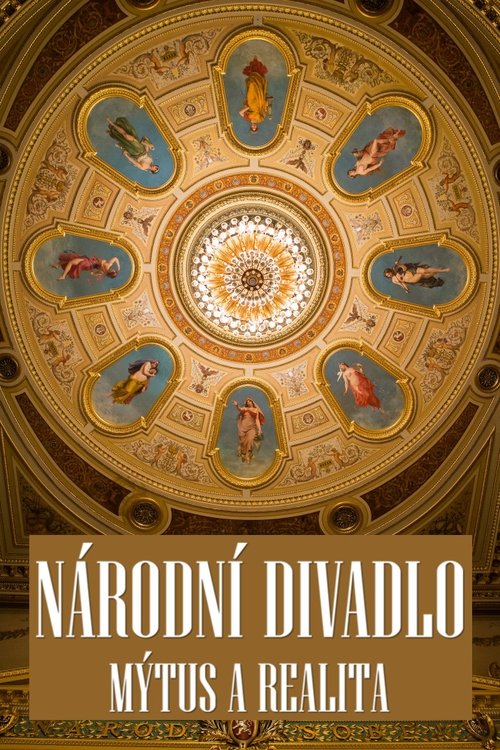
The story begins with a sweeping view of the National Theatre in Prague, a symbol of Czech culture and history. The narrative introduces the main character, a passionate young theatre director named Jakub, who is determined to revive the theatre's glory. He is deeply inspired by the rich history of the National Theatre and feels a personal connection to its legacy. Jakub's ambition is to stage a groundbreaking production that will resonate with contemporary audiences while honoring the theatre's past.
As Jakub begins his preparations, he faces resistance from the theatre's board, who are skeptical of his vision. They prefer to stick to traditional productions that guarantee ticket sales. This conflict sets the stage for Jakub's internal struggle between his artistic integrity and the commercial pressures of running a theatre. He is torn between wanting to innovate and the fear of disappointing the board and the audience.
Jakub assembles a diverse team of actors and crew members, each with their own motivations and backgrounds. Among them is a talented but troubled actress named Eva, who is struggling with her own demons. She is drawn to Jakub's vision but is also wary of the risks involved. Their relationship develops as they share their hopes and fears, creating a bond that is both professional and personal.
As rehearsals begin, tensions rise within the group. The actors grapple with the demanding nature of Jakub's direction, which pushes them out of their comfort zones. Some actors thrive under the pressure, while others falter, leading to conflicts and emotional breakdowns. Jakub's relentless pursuit of perfection alienates some of his team, causing rifts that threaten the production.
In a pivotal scene, Jakub confronts the board about their lack of support. He passionately defends his vision, arguing that art should challenge and provoke thought rather than simply entertain. This confrontation marks a turning point for Jakub, as he realizes the importance of standing up for his beliefs, even if it means risking his position at the theatre.
As the opening night approaches, the pressure mounts. Eva faces a personal crisis that threatens her ability to perform. She confides in Jakub, revealing her struggles with self-doubt and anxiety. Jakub offers her support, encouraging her to channel her emotions into her performance. This moment deepens their connection and highlights the theme of vulnerability in the creative process.
On the night of the premiere, the atmosphere is electric with anticipation. The theatre is packed, and the audience is buzzing with excitement. Jakub watches nervously from the wings, aware that this performance could make or break his career. As the curtain rises, the actors deliver a powerful performance that captivates the audience. The production is a bold reinterpretation of a classic play, infused with modern elements that resonate with contemporary issues.
However, not everything goes as planned. During a critical scene, an unexpected technical failure occurs, causing chaos on stage. The actors must improvise, and tensions flare as they struggle to maintain their composure. Jakub's heart races as he watches the situation unfold, torn between panic and the desire to support his team. In a moment of clarity, he steps in to guide the actors, helping them regain control of the performance.
The audience is initially taken aback by the disruption, but as the actors adapt, they become increasingly engaged. The raw emotion and authenticity of the moment resonate with the crowd, transforming a potential disaster into a memorable experience. By the end of the performance, the audience erupts in applause, and Jakub realizes that the true essence of theatre lies in its unpredictability.
In the aftermath of the premiere, the board acknowledges the success of the production, and Jakub's vision is validated. However, he understands that the journey is far from over. He reflects on the challenges faced during the process and the personal growth he and his team have experienced. The final scenes depict Jakub and Eva sharing a quiet moment, contemplating the future of the theatre and their roles within it. Their bond has deepened, and they are both ready to embrace the next chapter of their artistic journey, united by their shared passion for theatre.
More TV Shows Like This
Browse All TV Shows →


What is the ending?
In the ending of "Národní divadlo: Mýtus a realita," the narrative culminates in a powerful confrontation between the characters, revealing the deep-seated conflicts and emotional struggles that have been building throughout the series. The main characters face the consequences of their choices, leading to a resolution that reflects their personal journeys and the overarching themes of the show.
As the final scenes unfold, we see the characters grappling with their identities and the weight of their past decisions. The atmosphere is tense, filled with a mix of hope and despair. The fate of each character is revealed, showcasing their growth or decline as they confront the realities of their lives.
In a detailed narrative:
The final act begins in the dimly lit backstage of the National Theatre, where the air is thick with anticipation and anxiety. The stage is set for a climactic performance, but the real drama unfolds behind the curtains. The protagonist, a passionate and ambitious director, stands at the center of the chaos, her heart racing as she prepares to unveil her latest production. She is driven by a desire to prove herself, but the weight of her past failures looms over her.
As the lights dim, the director's assistant, who has been a loyal supporter, confronts her about the sacrifices she has made for her career. Their conversation is charged with emotion, revealing the assistant's own struggles with self-worth and ambition. The director, torn between her aspirations and the relationships she has neglected, feels a pang of guilt but is determined to push forward.
Meanwhile, the lead actor, who has been battling his own demons, arrives late to the rehearsal. His internal conflict is palpable; he grapples with the fear of not living up to expectations and the pressure of his role. As he steps onto the stage, the audience can see the vulnerability in his eyes, a stark contrast to the confident persona he usually portrays.
The performance begins, and the tension escalates. Each character's journey is mirrored in the unfolding story on stage, blurring the lines between reality and fiction. The director watches from the sidelines, her heart pounding as she witnesses the culmination of her vision. However, as the play progresses, it becomes clear that the characters are not just acting; they are confronting their truths.
In a pivotal moment, the lead actor breaks character, addressing the audience directly. He speaks of the struggles of being an artist, the fear of failure, and the longing for acceptance. This raw honesty resonates deeply, and the audience is captivated. The director, moved by his vulnerability, realizes that her pursuit of perfection has cost her the very connections that matter most.
As the final scene approaches, the characters come together in a moment of catharsis. They acknowledge their flaws and the impact of their choices on one another. The director, now more self-aware, embraces her assistant, recognizing the importance of collaboration and support. The lead actor, having found his voice, steps forward to take ownership of his journey, inspiring others to do the same.
The performance concludes with a standing ovation, but the true victory lies in the characters' personal revelations. The director, the assistant, and the lead actor each find a sense of closure, understanding that their paths are intertwined and that their struggles have shaped them.
In the final moments, the camera pans out, capturing the vibrant energy of the theatre, a symbol of resilience and creativity. The characters, though flawed, emerge stronger, ready to face the future with renewed purpose. The screen fades to black, leaving the audience with a sense of hope and the reminder that the journey of self-discovery is ongoing.
Is there a post-credit scene?
"Národní divadlo: Mýtus a realita" does not feature a post-credit scene. The series concludes its narrative without any additional scenes after the credits, focusing instead on the exploration of the themes and characters throughout its episodes. The final moments of the show encapsulate the emotional journeys of the characters and the overarching narrative about the significance of the National Theatre, leaving viewers with a sense of closure and reflection on the stories presented.
What role does the historical context play in the characters' motivations?
The historical context of the Národní divadlo significantly influences the characters' motivations and actions. Set against the backdrop of Czech history, the characters are often driven by a sense of national pride and the desire to preserve cultural heritage through their work. This historical lens adds depth to their struggles, as they confront not only personal ambitions but also the weight of their country's artistic legacy. Characters frequently reference past events, which shapes their decisions and fuels their passion for theater.
What are the main conflicts faced by the characters in Národní divadlo: Mýtus a realita?
The characters in Národní divadlo: Mýtus a realita grapple with various conflicts, both internal and external. One of the primary conflicts arises from the tension between artistic integrity and commercial success, as characters struggle to maintain their creative vision while facing pressure from producers and audiences. Additionally, personal relationships are strained as ambition and jealousy surface, particularly among the lead actors, who must navigate their rivalries and friendships amidst the high stakes of theatrical production.
How does the character of the director evolve throughout the series?
The director in Národní divadlo: Mýtus a realita begins as a passionate yet somewhat naive figure, driven by a desire to create groundbreaking theater. As the series progresses, the director faces numerous challenges, including criticism from peers and the demands of the theater's board. This leads to a transformation where the director becomes more pragmatic, often torn between artistic ideals and the harsh realities of the theater world. This evolution is marked by moments of self-doubt and reflection, showcasing the emotional toll of leadership in the arts.
How do the relationships between the main characters develop over the course of the series?
The relationships between the main characters in Národní divadlo: Mýtus a realita are complex and evolve significantly throughout the series. Initially, friendships are marked by camaraderie and shared goals, but as tensions rise due to competition and differing artistic visions, these relationships become strained. Key moments of betrayal and reconciliation highlight the emotional stakes involved, leading to a deeper understanding among the characters. By the end of the series, some relationships are strengthened through adversity, while others are irrevocably changed, reflecting the tumultuous nature of the theater world.
What specific challenges do the actors face during the production process?
The actors in Národní divadlo: Mýtus a realita encounter a myriad of challenges during the production process. These include intense rehearsal schedules that test their physical and emotional limits, the pressure to deliver outstanding performances under scrutiny, and the need to embody complex characters that resonate with audiences. Additionally, personal issues such as family conflicts, romantic entanglements, and mental health struggles complicate their ability to focus on their craft. The series poignantly illustrates how these challenges impact their performances and relationships, creating a rich tapestry of human experience within the theater.
Is this family friendly?
"Národní divadlo: Mýtus a realita" is a documentary series that delves into the history and significance of the National Theatre in Prague. While it primarily focuses on the artistic and cultural aspects of the theatre, there are a few elements that may be considered potentially objectionable or upsetting for children or sensitive viewers:
-
Historical Context: The series discusses various historical events, including wars and political upheaval, which may include depictions of conflict or suffering that could be distressing.
-
Emotional Themes: The exploration of personal stories of artists and their struggles can evoke strong emotions, including themes of loss, failure, and the pursuit of passion, which might be heavy for younger audiences.
-
Artistic Expression: Some performances or artistic interpretations may include darker themes or imagery that could be unsettling for some viewers, depending on their sensitivity to such content.
-
Interviews with Artists: The candid discussions with artists about their experiences may touch on personal challenges, mental health issues, or societal pressures, which could be intense for sensitive viewers.
Overall, while the series is educational and culturally enriching, it does contain elements that may require parental guidance for younger audiences.