



Popular
What types of animal babies are featured in the series?
How do the lion cubs learn to hunt in the wild?
What challenges do the elephant calves face in their first year?
How do the penguin chicks survive the harsh conditions of their environment?
What role do the animal mothers play in the development of their young?
Should I watch it?
Ask Your Own Question

What is the plot?
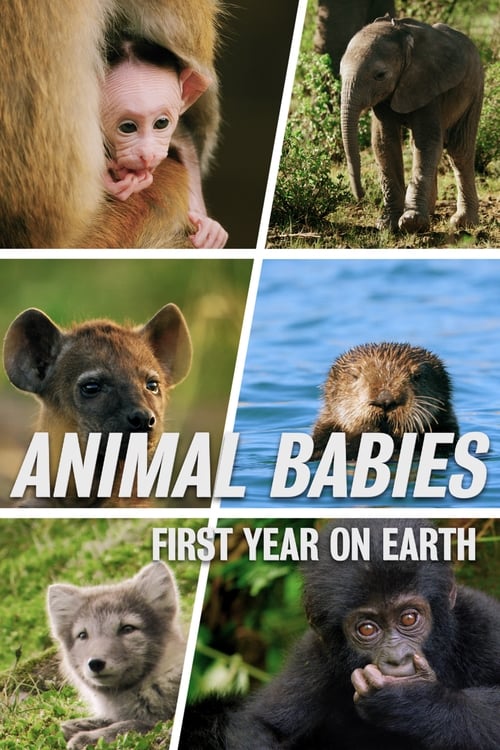
"Animal Babies: First Year On Earth" is a documentary series that follows the lives of various animal species during their first year of life. The series is divided into episodes, each focusing on different animals and their unique challenges and experiences.
The series opens with a focus on a group of newborn animals, showcasing their immediate surroundings and the environments they inhabit. The first episode introduces a litter of lion cubs in the African savanna. The cubs are born blind and rely heavily on their mother for warmth and nourishment. The scene captures the tender moments between the mother lion and her cubs as she cleans them and encourages them to nurse. The emotional bond is palpable as the mother protects her young from potential threats.
As the cubs grow, they begin to explore their surroundings. The narrative shifts to their first attempts at walking, which are clumsy and uncertain. The camera captures their playful interactions with each other, highlighting their developing personalities. The mother lion watches closely, her instincts sharp as she remains vigilant against predators. The tension builds as a nearby hyena pack is spotted, prompting the mother to lead her cubs to safety.
In another episode, the focus shifts to a family of elephants. The scene opens with a mother elephant giving birth to a calf. The birth is a lengthy process, filled with moments of struggle and determination. Once the calf is born, the mother immediately nudges it to encourage it to stand. The calf's first steps are shaky, and the mother's encouragement is crucial as she uses her trunk to support her baby. The emotional weight of this moment is underscored by the mother's protective instincts.
As the calf grows, the episode explores its interactions with the herd. The young elephant learns to communicate with its family through vocalizations and body language. The herd dynamics are illustrated as older siblings and cousins play with the calf, teaching it essential survival skills. The episode captures the joy and chaos of these interactions, emphasizing the importance of social bonds within the herd.
The series then transitions to a segment featuring a group of sea otters. The episode begins with a mother otter giving birth in the kelp forests. The newborn otter is shown floating on its mother's belly, wrapped in a piece of kelp to keep it safe. The mother's nurturing behavior is highlighted as she meticulously cleans her pup and teaches it how to dive for food. The underwater scenes are vibrant, showcasing the beauty of the ocean and the challenges the otters face in finding sustenance.
As the pup grows, it begins to explore the underwater world. The narrative captures the pup's playful nature as it tumbles through the water, learning to hunt for shellfish. The mother otter's watchful eye is ever-present, reflecting her deep concern for her pup's safety. The episode builds tension as a predator, such as a shark, is spotted nearby, forcing the mother to quickly guide her pup to safety.
The series also features a segment on a family of red foxes. The episode opens with the vixen giving birth to a litter of kits in a den. The kits are shown as they grow, their playful antics contrasting with the harsh realities of their environment. The vixen is depicted as a diligent mother, bringing food back to the den and teaching her kits how to hunt. The emotional stakes rise as the kits venture out of the den for the first time, encountering the dangers of the outside world.
As the kits mature, they begin to explore their territory. The episode captures their playful chases and the lessons they learn about stealth and survival. The tension escalates when a rival fox is spotted, leading to a confrontation that tests the vixen's protective instincts. The scene is filled with suspense as the vixen defends her territory, showcasing the fierce determination of a mother protecting her young.
Throughout the series, each episode concludes with a reflection on the growth and development of the featured animals. The final scenes often depict the young animals as they reach a significant milestone, such as their first successful hunt or their first independent exploration away from their mothers. The emotional resonance of these moments is underscored by the visual storytelling, capturing the beauty and fragility of life in the animal kingdom.
The series ends with a montage of the various animals featured, highlighting the universal themes of growth, survival, and the bond between mothers and their young. Each animal's journey is a testament to the challenges they face in their first year, leaving viewers with a sense of awe for the natural world.









What is the ending?
In the ending of "Animal Babies: First Year on Earth," the series concludes by showcasing the growth and development of various animal babies as they transition from infancy to independence. Each featured animal, including elephants, cheetahs, and meerkats, reaches significant milestones that highlight their journey through the first year of life. The narrative emphasizes the challenges they face, the bonds they form with their families, and their eventual readiness to thrive in the wild.
As the final scenes unfold, we see the young elephants learning to use their trunks, the cheetah cubs honing their hunting skills, and the meerkat pups becoming more adept at foraging and socializing within their groups. The series wraps up with a sense of hope and resilience, illustrating the beauty of nature and the instinctual drive of these young animals to survive and flourish.
The ending of "Animal Babies: First Year on Earth" unfolds with a series of poignant scenes that encapsulate the growth and transformation of the featured animal babies.
The first scene opens in the vast savannah, where a young elephant, now nearly a year old, is seen practicing with its trunk. The sun casts a warm glow over the landscape, illuminating the playful interactions between the calf and its mother. The elephant calf, once wobbly and unsure, now confidently reaches for branches, demonstrating newfound strength and dexterity. The mother watches with pride, her protective instincts evident as she encourages her child to explore. This moment signifies the calf's transition from dependence to independence, a crucial milestone in its development.
Next, the scene shifts to a cheetah family, where the cubs are now more agile and curious. The camera captures the cubs as they engage in playful mock hunts, darting through the tall grass with bursts of energy. Their mother, a sleek and watchful figure, observes from a distance, her eyes filled with a mix of concern and encouragement. The cubs' playful antics are interspersed with moments of seriousness as they practice stalking and pouncing, essential skills for their survival. This scene highlights the balance between play and learning, showcasing the instinctual drive that propels them toward adulthood.
In another part of the savannah, a group of meerkat pups emerges from their burrow, their tiny bodies brimming with curiosity. The camera captures their first forays into the outside world, where they cautiously explore their surroundings. The meerkat parents are vigilant, standing guard while the pups learn to forage for food. The pups mimic their parents, practicing the social behaviors that will be vital for their survival in a community. This scene emphasizes the importance of social learning and the bonds formed within the meerkat family.
As the series progresses toward its conclusion, we see a montage of these animal babies reaching their respective milestones. The young elephant, now more confident, joins a larger herd, symbolizing its readiness to integrate into the community. The cheetah cubs, having honed their skills, are seen successfully catching their first prey, a moment of triumph that marks their transition into skilled hunters. The meerkat pups, now adept at foraging, are shown interacting with other members of their group, solidifying their place within the social structure.
The final scenes bring a sense of closure as the camera pans over the diverse landscapes where these animals thrive. The young elephant, cheetah, and meerkat are all depicted in their natural habitats, embodying the resilience and adaptability of wildlife. The series concludes with a powerful message about the journey of life, the challenges faced, and the innate instincts that guide these young animals toward independence.
In summary, the ending of "Animal Babies: First Year on Earth" encapsulates the growth of the featured characters: the elephant calf learns to navigate its environment, the cheetah cubs become proficient hunters, and the meerkat pups establish their roles within their family. Each character's journey reflects the overarching themes of survival, family bonds, and the beauty of nature's cycles.
Is there a post-credit scene?
Animal Babies: First Year On Earth does not feature a post-credit scene. The series focuses on the early lives of various animal babies, showcasing their struggles and triumphs as they navigate their first year in the wild. Each episode concludes with a summary of the key themes and lessons learned from the featured animals, but there are no additional scenes or content after the credits. The emphasis remains on the emotional and physical journeys of the young animals, highlighting their development and the challenges they face in their natural habitats.
What types of animal babies are featured in the series?
The series showcases a variety of animal babies, including lion cubs, elephant calves, and penguin chicks, each highlighting their unique challenges and experiences during their first year of life.
How do the lion cubs learn to hunt in the wild?
The lion cubs are shown observing their mothers and older siblings as they hunt, gradually learning the techniques and skills necessary for survival, while also experiencing moments of play that mimic hunting behavior.
What challenges do the elephant calves face in their first year?
The elephant calves encounter numerous challenges, such as learning to use their trunks, navigating social dynamics within the herd, and facing threats from predators, all while relying on their mothers for guidance and protection.
How do the penguin chicks survive the harsh conditions of their environment?
The penguin chicks are depicted huddling together for warmth, relying on their parents for food and protection, and learning to swim as they grow, showcasing their resilience against the cold and their dependence on family.
What role do the animal mothers play in the development of their young?
The animal mothers are portrayed as nurturing and protective figures, teaching their young essential survival skills, providing food, and ensuring their safety, which highlights the deep bond between them and their offspring.
Is this family friendly?
"Animal Babies: First Year On Earth" is generally considered family-friendly, as it showcases the early lives of various animal species in a documentary format. However, there are a few aspects that might be potentially objectionable or upsetting for children or sensitive viewers:
-
Predation: The series depicts natural predatory behaviors, where young animals may be shown in vulnerable situations, potentially facing threats from predators. This can be intense and may evoke feelings of fear or sadness.
-
Survival Struggles: Scenes illustrating the harsh realities of survival in the wild, such as young animals struggling to find food or facing environmental challenges, may be distressing for some viewers.
-
Loss of Life: There are moments where the fate of certain animal babies is uncertain, and while the series does not dwell on graphic content, the implication of loss can be emotionally impactful.
-
Natural Instincts: The portrayal of animal instincts, including competition among siblings for resources, may be unsettling for some, as it highlights the sometimes harsh realities of nature.
Overall, while the series aims to educate and inspire awe about wildlife, these elements may require parental guidance for younger viewers or those who are particularly sensitive.