




Popular
What challenges do the zookeepers face while caring for the animals in Season 2?
How does the relationship between the zookeepers and the animals evolve throughout Season 2?
What specific events lead to the rescue of an injured animal in Season 2?
What new animal exhibits are introduced in Season 2, and how do they impact the zoo's dynamics?
How do the zookeepers handle the emotional challenges of animal loss in Season 2?
Should I watch it?
Ask Your Own Question

What is the plot?
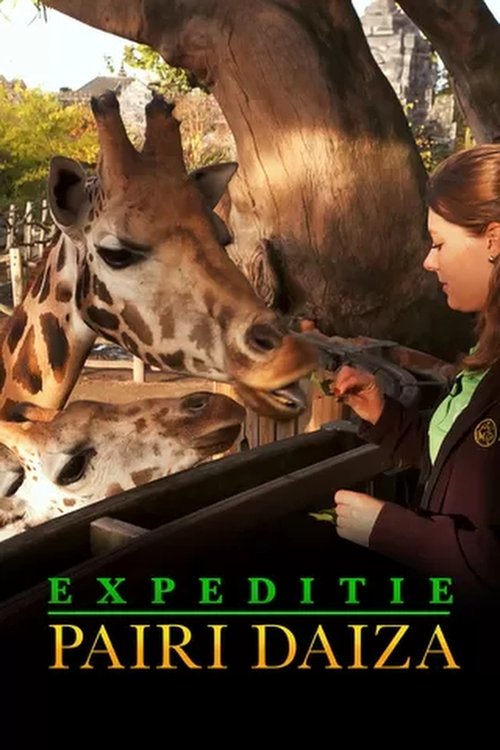
In Season 2 of "Real Life in the Zoo," the series continues to explore the daily operations and challenges faced by the staff at the zoo. The season opens with a focus on the arrival of a new baby giraffe, which brings excitement and joy to both the staff and visitors. The zookeepers are particularly invested in the health and well-being of the newborn, as they monitor its interactions with its mother and ensure it is nursing properly. The emotional stakes are high, as the team reflects on the challenges of raising a young animal in captivity.
As the season progresses, the narrative shifts to the care of the zoo's resident elephants. The staff is faced with a critical decision regarding the introduction of a new male elephant to the herd. Tensions rise as the zookeepers debate the potential risks and benefits of this introduction. Some staff members are concerned about the established social dynamics among the elephants, while others are eager to see the new male integrated into the group. This decision-making process is fraught with emotional weight, as the team grapples with the implications for the animals' welfare.
In a pivotal episode, the zookeepers conduct a careful introduction of the new male elephant to the existing herd. The scene is tense, with the staff watching closely for any signs of aggression or distress. As the new elephant approaches the females, there is a moment of hesitation, but eventually, the herd begins to accept him. The zookeepers breathe a sigh of relief, celebrating the successful integration, but remain vigilant as they monitor the elephants' interactions in the following days.
Meanwhile, the season also highlights the ongoing rehabilitation efforts for injured or orphaned animals. A particularly heart-wrenching subplot involves a young fox that has been rescued after being hit by a car. The veterinary team works tirelessly to nurse the fox back to health, showcasing the emotional toll of caring for an animal in distress. The zookeepers form a bond with the fox, and their dedication is palpable as they celebrate small victories in its recovery.
As the season nears its climax, a crisis unfolds when a severe storm hits the area, threatening the safety of the animals and the zoo infrastructure. The staff springs into action, implementing emergency protocols to secure the enclosures and ensure the animals are safe. The tension is palpable as they work against the clock, battling the elements while also managing the animals' stress levels. The emotional strain on the staff is evident, as they worry about the well-being of both the animals and their colleagues.
In the aftermath of the storm, the zoo faces significant damage, leading to a series of difficult decisions about repairs and resource allocation. The staff must come together to prioritize which areas need immediate attention, and the emotional weight of these choices weighs heavily on them. The community rallies to support the zoo, showcasing the strong bond between the institution and its visitors.
The season concludes with a heartwarming moment as the baby giraffe takes its first steps outside, symbolizing hope and resilience. The zookeepers gather to witness this milestone, their faces filled with pride and joy. The emotional journey of the season culminates in a celebration of life and the dedication of the staff, who have navigated numerous challenges while caring for the animals they love. The final scenes reflect on the importance of teamwork and the deep connections formed between the zookeepers and the creatures they protect.








What is the ending?
In the ending of "Real Life in the Zoo," Season 2, the zookeepers face various challenges as they work to ensure the well-being of the animals in their care. The season culminates in a series of emotional moments as the staff reflects on their experiences, the bonds they have formed with the animals, and the impact of their work. Each character experiences personal growth, and the season concludes with a sense of hope and commitment to the future of the zoo and its inhabitants.
As the final scenes unfold, the zookeepers gather for a meeting to discuss the upcoming changes and improvements to the zoo. They share stories of their favorite moments from the season, highlighting the successes and challenges they faced. The emotional weight of their responsibilities is palpable, as they express their dedication to the animals and the mission of the zoo. The season ends on a hopeful note, with the staff looking forward to the future and the continued care of the animals.
In a more detailed narrative:
The final episode opens with a sweeping shot of the zoo at dawn, the sun rising over the enclosures, casting a warm glow on the animals waking up. The camera pans to the zookeepers arriving for their morning shift, each one carrying the weight of the experiences they have shared throughout the season. There is a sense of camaraderie among them, but also an undercurrent of anxiety as they prepare for a meeting that will outline the future of the zoo.
As the zookeepers gather in the staff room, the atmosphere is charged with anticipation. The head zookeeper stands at the front, ready to address the team. She begins by acknowledging the hard work and dedication everyone has shown, recounting specific instances where their efforts made a significant difference in the lives of the animals. The zookeepers nod in agreement, their faces reflecting pride and a hint of exhaustion.
Next, the head zookeeper introduces the topic of upcoming changes to the zoo. She explains that there will be new enclosures built to better mimic the animals' natural habitats, which elicits a mix of excitement and concern among the staff. They discuss the logistics of the changes, and the conversation shifts to the emotional bonds they have formed with the animals. Each zookeeper shares a personal story, revealing their deep connections and the challenges they faced in caring for the creatures.
One zookeeper recounts a particularly touching moment with a young elephant, who had been struggling to adapt to its new environment. The zookeeper describes how they spent hours sitting with the elephant, slowly gaining its trust. The emotional weight of this story resonates with the group, and they all reflect on their own experiences of connection and care.
As the meeting progresses, the zookeepers express their hopes for the future. They discuss the importance of education and conservation, emphasizing their commitment to not only caring for the animals but also educating the public about wildlife preservation. The atmosphere shifts from one of anxiety to one of determination and hope, as they realize the impact they can have on both the animals and the community.
The episode concludes with the zookeepers stepping outside, ready to face the day. They walk through the zoo together, stopping to interact with the animals, their faces lit up with joy and purpose. The camera captures the vibrant life of the zoo, the sounds of animals calling, and the laughter of the zookeepers as they share light-hearted moments.
In the final scene, the head zookeeper looks out over the zoo, a smile on her face as she reflects on the journey they have all taken together. The screen fades to black, leaving viewers with a sense of hope and the understanding that the work of the zookeepers is far from over, but they are ready to face whatever challenges lie ahead, united in their mission to protect and care for the animals they love.
Is there a post-credit scene?
In "Real Life in the Zoo," Season 2, there are no post-credit scenes. The episodes focus on the daily operations and challenges faced by the staff at the zoo, showcasing the interactions between the animals and their caretakers. Each episode concludes with a wrap-up of the events that took place, emphasizing the emotional connections and the dedication of the zookeepers, but there are no additional scenes or content after the credits. The series maintains a straightforward narrative structure, concentrating on the real-life experiences within the zoo environment.
What challenges do the zookeepers face while caring for the animals in Season 2?
In Season 2 of Real Life in the Zoo, the zookeepers encounter various challenges, including the need to manage the health and well-being of the animals during extreme weather conditions. For instance, they must ensure that the animals are kept cool during a heatwave, which involves creating shaded areas and providing plenty of water. Additionally, they face the emotional strain of dealing with sick animals, such as a young elephant that requires special attention after showing signs of illness.
How does the relationship between the zookeepers and the animals evolve throughout Season 2?
Throughout Season 2, the bond between the zookeepers and the animals deepens as they learn to understand the individual personalities of each creature. For example, a zookeeper named Sarah develops a special connection with a playful otter, which leads to heartwarming moments of interaction. This evolving relationship is highlighted during feeding times, where the zookeepers use positive reinforcement techniques to build trust and encourage natural behaviors.
What specific events lead to the rescue of an injured animal in Season 2?
In one of the episodes of Season 2, a dramatic rescue unfolds when a zookeeper discovers a wounded bird that has fallen from its nest. The zookeeper, driven by a sense of duty and compassion, quickly mobilizes a team to assess the bird's injuries. They work together to safely capture the bird and transport it to the veterinary clinic, where the emotional tension peaks as they await the vet's diagnosis and treatment plan.
What new animal exhibits are introduced in Season 2, and how do they impact the zoo's dynamics?
Season 2 introduces several new animal exhibits, including a vibrant butterfly house and a family of meerkats. The butterfly house becomes a focal point for educational programs, drawing in visitors and creating a buzz among the staff. The meerkats, with their playful antics, bring a lively energy to the zoo, prompting the zookeepers to adapt their care routines and engage with the public through interactive demonstrations.
How do the zookeepers handle the emotional challenges of animal loss in Season 2?
In Season 2, the zookeepers face the heartbreaking loss of a beloved animal, which profoundly affects the entire team. The episode captures their grief and the support they provide each other, showcasing their vulnerability. Zookeeper Mark, in particular, struggles with the loss, reflecting on the bond he had with the animal. The team holds a memorial to honor the animal's life, illustrating their commitment to the animals they care for and the emotional toll of their work.
Is this family friendly?
"Real Life in the Zoo," Season 2, is generally family-friendly, focusing on the daily operations and challenges faced by zookeepers and the care of animals. However, there are a few aspects that might be considered objectionable or upsetting for children or sensitive viewers:
-
Animal Health Issues: The show occasionally depicts animals that are sick or injured, which may be distressing for younger viewers or those sensitive to animal welfare topics.
-
Animal Behavior: Some scenes may show aggressive or territorial behavior among animals, which could be alarming for children.
-
Euthanasia Discussions: There are moments when the zookeepers discuss the difficult decisions surrounding animal euthanasia, which can be a heavy topic for sensitive audiences.
-
Emotional Moments: The emotional weight of caring for animals, including the loss of animals or the challenges of rehabilitation, may evoke sadness.
-
Natural Predation: The show may include scenes of predation or the natural cycle of life and death in the animal kingdom, which could be upsetting for some viewers.
Overall, while the series aims to educate and entertain, these elements may require parental guidance for younger audiences.









