


Popular
What challenges do the zookeepers face while caring for the new baby animals introduced in Season 4?
How does the relationship between the zookeepers and the animals evolve throughout Season 4?
What specific incidents highlight the dangers of working with wild animals in Season 4?
How do the zookeepers handle the introduction of new species to the zoo in Season 4?
What personal stories of the zookeepers are explored in Season 4, and how do they impact their work?
Should I watch it?
Ask Your Own Question

What is the plot?
In the fourth season of "Real Life in the Zoo," the series opens with a focus on the daily operations of the zoo as staff prepare for the busy summer season. The episode begins with the zookeepers conducting health checks on the animals, emphasizing the importance of monitoring their well-being. The camera captures the zookeepers gently handling the animals, showcasing their deep bond and commitment to their care. The emotional stakes are high as they discuss the challenges of keeping the animals healthy and happy, particularly with the arrival of new species.
As the season progresses, the narrative shifts to the introduction of a new animal exhibit featuring a pair of red pandas. The zookeepers are excited but also anxious about the pandas' acclimatization to their new environment. The staff works diligently to create a habitat that mimics their natural surroundings, filled with climbing structures and foliage. Tension arises when one of the pandas, named Mei, appears to be stressed and reluctant to explore her new space. The zookeepers brainstorm strategies to encourage her to adapt, showcasing their dedication and emotional investment in the animals' welfare.
In a pivotal episode, the zookeepers face a crisis when a severe storm hits the area, causing flooding in certain parts of the zoo. The staff springs into action, prioritizing the safety of the animals. They work tirelessly to secure enclosures and move vulnerable animals to higher ground. The emotional weight of the situation is palpable as the zookeepers express their fears for the animals' safety. The storm's aftermath reveals significant damage, and the team must assess the situation and make tough decisions about repairs and animal care.
As the season continues, the narrative delves into the personal lives of the zookeepers, highlighting their motivations and challenges outside of work. One zookeeper, Sarah, struggles with balancing her demanding job and her family life. Her emotional turmoil is evident as she grapples with feelings of guilt for not being present for her children. This subplot adds depth to her character, showcasing the sacrifices made by those who dedicate their lives to animal care.
In a dramatic turn, the zookeepers discover that one of the animals, a young elephant named Tandi, is exhibiting signs of illness. The team rallies together to diagnose and treat her, leading to a series of tense moments as they monitor her condition. The emotional stakes rise as the zookeepers share their fears about Tandi's health, reflecting their deep connection to the animals. The episode culminates in a heartwarming scene where Tandi begins to show signs of recovery, bringing relief and joy to the staff.
The season also features a subplot involving a new intern, Jake, who is eager to prove himself but struggles with the physical demands of the job. His journey is marked by moments of self-doubt and determination as he learns from the experienced zookeepers. A key decision comes when Jake must step up during a critical moment, helping to calm a distressed animal, which earns him the respect of his colleagues and boosts his confidence.
As the season nears its conclusion, the zookeepers prepare for a major fundraising event aimed at supporting the zoo's conservation efforts. The event is filled with excitement and anticipation, but also stress as the team works to ensure everything goes smoothly. The emotional stakes are high as they reflect on the importance of their work and the impact it has on wildlife conservation. The event itself is a success, showcasing the community's support and the zookeepers' dedication.
In the final episode, the season wraps up with a focus on the relationships formed among the staff and their shared commitment to the animals. The zookeepers gather for a heartfelt celebration, reflecting on the challenges they faced throughout the season. The emotional bonds they have developed are evident as they share stories and laughter, reinforcing the theme of teamwork and dedication. The season concludes on a hopeful note, with the zookeepers looking forward to the future and the continued care of their beloved animals.





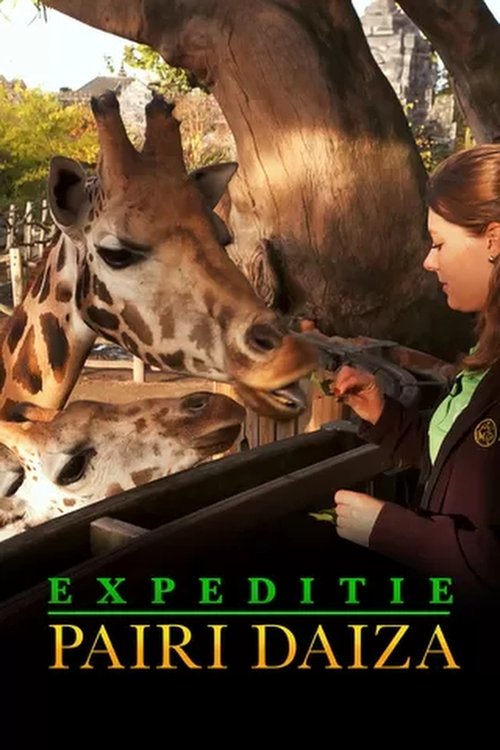



What is the ending?
In the ending of "Real Life in the Zoo," Season 4, the zookeepers face a series of challenges as they work to ensure the well-being of the animals in their care. The season culminates in a heartwarming resolution where the team successfully rehabilitates a group of injured animals, showcasing their dedication and teamwork. The zookeepers reflect on their experiences, emphasizing the importance of compassion and commitment to wildlife conservation.
As the final scenes unfold, the camera captures the zookeepers celebrating their achievements, with a focus on the emotional bonds they have formed with the animals. The season concludes with a sense of hope and renewal, as the zookeepers look forward to the future, ready to tackle new challenges together.
The final episode of "Real Life in the Zoo," Season 4, opens with a panoramic view of the zoo at dawn, the sun casting a golden hue over the enclosures. The zookeepers are already bustling about, preparing for a day filled with critical tasks. The camera zooms in on Sarah, a dedicated zookeeper, who is particularly anxious about the rehabilitation of a young injured bird that has been under their care for several weeks. Her emotional investment in the bird's recovery is palpable, as she gently speaks to it, hoping to encourage its healing.
Scene transitions to the veterinary clinic within the zoo, where Dr. Mark is examining the bird. The tension is high as he discusses the bird's prognosis with Sarah. The stakes are clear: if the bird does not recover, it may not be able to return to the wild. Sarah's determination shines through as she vows to do everything possible to support the bird's recovery, showcasing her deep commitment to the animals.
Next, the narrative shifts to the elephant enclosure, where the team is preparing for a special event aimed at raising awareness for wildlife conservation. The zookeepers, including Tom and Lisa, are seen setting up educational displays and engaging with visitors. Their enthusiasm is infectious, and the scene captures the joy of sharing their passion for animals with the public. However, there is an underlying tension as they worry about the impact of the event on the animals' routines.
As the day progresses, the event draws a large crowd, and the zookeepers take turns speaking about their experiences and the importance of conservation. The emotional connection between the zookeepers and the animals is highlighted through personal anecdotes, revealing their motivations and the challenges they face daily. The audience is visibly moved, and the zookeepers feel a renewed sense of purpose.
In a pivotal moment, Sarah receives a call about the bird's condition. The news is promising; the bird has shown signs of improvement. Overwhelmed with relief, Sarah shares the news with her colleagues, and they celebrate this small victory together. The camaraderie among the zookeepers is evident, as they rally around each other, reinforcing their shared mission.
The episode culminates in a heartwarming scene where the zookeepers gather to release the rehabilitated bird back into the wild. The atmosphere is charged with emotion as they watch the bird take flight, a symbol of hope and resilience. Each zookeeper reflects on their journey, acknowledging the challenges they have faced but also the joy that comes from their work.
As the sun sets, the camera captures the zookeepers standing together, looking out over the zoo. They express their commitment to continue their efforts in wildlife conservation, ready to face whatever challenges lie ahead. The season ends on a hopeful note, emphasizing the importance of teamwork, compassion, and the impact of their work on the lives of the animals they care for. Each character, having grown through their experiences, is left with a sense of fulfillment and a renewed dedication to their mission.
Is there a post-credit scene?
In Season 4 of "Real Life in the Zoo," there is no post-credit scene. The episodes conclude with a focus on the main narratives and the daily lives of the animals and staff at the zoo, wrapping up the stories without additional scenes after the credits. Each episode emphasizes the emotional connections between the zookeepers and the animals, showcasing their dedication and the challenges they face, but there are no extra scenes to extend the story beyond the main content.
What challenges do the zookeepers face while caring for the new baby animals introduced in Season 4?
In Season 4, the zookeepers face numerous challenges while caring for the new baby animals, particularly a baby elephant named Tandi. The staff must navigate the delicate balance of ensuring Tandi's health while also managing the protective instincts of her mother, who is wary of human interaction. The emotional stakes are high as the zookeepers work tirelessly to build trust with the mother elephant, often spending long hours near the enclosure, using calming techniques and gentle voices to create a safe environment.
How does the relationship between the zookeepers and the animals evolve throughout Season 4?
Throughout Season 4, the relationship between the zookeepers and the animals deepens significantly. For instance, zookeeper Sarah develops a special bond with a young cheetah named Zuri, who initially shows signs of fear towards humans. Sarah's patience and dedication lead to breakthrough moments where Zuri begins to approach her, showcasing the emotional connection that can develop through trust and care. This evolution is depicted through intimate scenes of Sarah spending quiet moments with Zuri, highlighting her determination to help the animal feel safe.
What specific incidents highlight the dangers of working with wild animals in Season 4?
In Season 4, there are several incidents that underscore the dangers of working with wild animals. One notable scene involves a close call with a male lion during feeding time, where a zookeeper misjudges the lion's behavior, leading to a tense moment that requires quick thinking and teamwork to ensure everyone's safety. The zookeepers' adrenaline is palpable as they work together to secure the area, showcasing the unpredictable nature of the animals and the risks involved in their care.
How do the zookeepers handle the introduction of new species to the zoo in Season 4?
The introduction of new species, such as a pair of red pandas, is handled with meticulous planning and care in Season 4. The zookeepers conduct extensive research on the red pandas' natural behaviors and habitat needs, leading to a series of preparatory scenes where they create a suitable environment for the animals. The emotional tension builds as they monitor the pandas' adjustment to their new home, with moments of concern when the animals initially refuse to eat. The zookeepers' dedication shines through as they experiment with different foods and enrichment activities to encourage the pandas to thrive.
What personal stories of the zookeepers are explored in Season 4, and how do they impact their work?
Season 4 delves into the personal stories of several zookeepers, particularly focusing on Mark, who is dealing with the recent loss of a family member. His grief affects his interactions with the animals, leading to moments of vulnerability where he finds solace in caring for a wounded bird. This emotional journey is depicted through poignant scenes where Mark reflects on his loss while tending to the bird, illustrating how personal struggles can influence their professional lives and the deep connections they form with the animals.
Is this family friendly?
"Real Life in the Zoo," Season 4, produced in 2022, is generally family-friendly, focusing on the daily operations and challenges faced by zookeepers and the care of animals. However, there are a few aspects that might be considered potentially objectionable or upsetting for children or sensitive viewers:
-
Animal Health Issues: The show occasionally depicts animals that are sick or injured, which may be distressing for younger viewers or those sensitive to animal welfare topics.
-
Animal Behavior: Scenes may include natural animal behaviors that can be intense, such as predation or aggression, which could be unsettling for some.
-
Emotional Moments: There are instances where animals may be euthanized due to health reasons, leading to emotional farewells from the staff, which could be poignant and upsetting.
-
Conservation Challenges: The show addresses issues related to wildlife conservation and habitat loss, which may evoke feelings of sadness or concern about the environment.
-
Personal Struggles: Zookeepers may share personal stories of loss or challenges in their work, which can be emotionally charged and might resonate deeply with sensitive viewers.
Overall, while the show aims to educate and entertain, these elements may require parental guidance for younger audiences.