










Popular
What motivates Gogol to investigate the murders in the story?
How does the character of Akulina influence Gogol's journey?
What role does the supernatural play in Gogol's investigation?
How does Gogol's relationship with his father affect his character development?
What is the significance of the character of the Inspector in the story?
Should I watch it?
Ask Your Own Question

What is the plot?
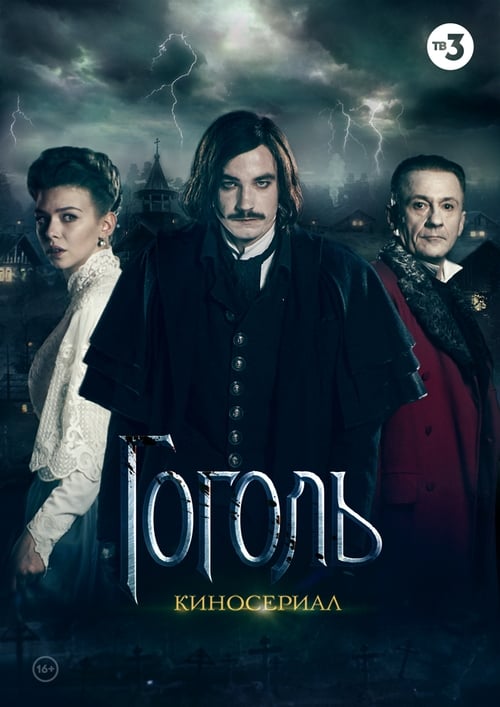
In the opening scenes of "Gogol," we are introduced to the protagonist, Nikolai Gogol, a young police officer in 19th-century Russia. He is portrayed as a sensitive and introspective man, struggling with his identity and the expectations of his role. Gogol is haunted by strange visions and dreams that blur the line between reality and the supernatural. His internal conflict is evident as he grapples with his duties as a law enforcer while being drawn to the world of literature and the arts.
As the story unfolds, Gogol is assigned to investigate a series of mysterious murders in his town. The victims are found with their eyes gouged out, and the gruesome nature of the crimes unsettles the community. Gogol's investigation leads him to a local tavern where he meets a group of suspicious characters, including a charismatic but enigmatic figure named Yakov. Gogol's interactions with Yakov reveal a deeper connection to the supernatural elements that plague him, as Yakov seems to possess knowledge about Gogol's visions.
During his investigation, Gogol encounters a beautiful woman named Maria, who becomes a significant figure in his life. Their relationship develops as they share moments of vulnerability and connection. Maria is intrigued by Gogol's artistic aspirations and encourages him to pursue his passion for writing. However, Gogol's commitment to his police work creates tension between them, as he struggles to balance his duties with his desire for a more creative life.
As Gogol delves deeper into the case, he uncovers a dark secret involving a powerful and corrupt nobleman, who is linked to the murders. This nobleman, Countess Anna, is revealed to have a sinister agenda, using the murders to cover up her own crimes. Gogol's determination to bring her to justice intensifies, leading him to confront the moral complexities of his role as a police officer.
In a pivotal scene, Gogol confronts Countess Anna at her lavish estate. The tension escalates as Gogol accuses her of being involved in the murders. Anna, calm and collected, manipulates the situation, attempting to sway Gogol with her charm and power. This confrontation forces Gogol to confront his own fears and insecurities, as he realizes the extent of corruption in the society he serves.
As the investigation progresses, Gogol's visions become more intense and disturbing. He begins to see apparitions of the victims, which further complicates his mental state. These visions serve as a manifestation of his guilt and the weight of his responsibilities. Gogol's emotional turmoil is palpable as he struggles to maintain his grip on reality while being drawn deeper into the supernatural elements of the case.
In a climactic moment, Gogol discovers that Yakov is not who he seems. It is revealed that Yakov is a spirit tied to the murders, seeking revenge for his own tragic fate. This revelation forces Gogol to confront the consequences of his actions and the impact of the supernatural on his life. The confrontation between Gogol and Yakov is charged with tension, as Gogol must choose between embracing the darkness or fighting against it.
The final act of the series sees Gogol making a desperate attempt to save Maria, who has become entangled in the web of corruption and danger surrounding the nobleman. In a race against time, Gogol confronts Countess Anna once more, leading to a dramatic showdown. The stakes are high as Gogol fights not only for Maria's life but also for his own redemption.
In the series' conclusion, Gogol's journey culminates in a bittersweet resolution. He manages to expose Countess Anna's crimes, but at a great personal cost. The emotional weight of his choices leaves Gogol forever changed, as he grapples with the consequences of his actions and the haunting memories of the lives lost. The series ends on a poignant note, with Gogol standing at a crossroads, contemplating his future as both a police officer and a writer, forever marked by the experiences that have shaped him.

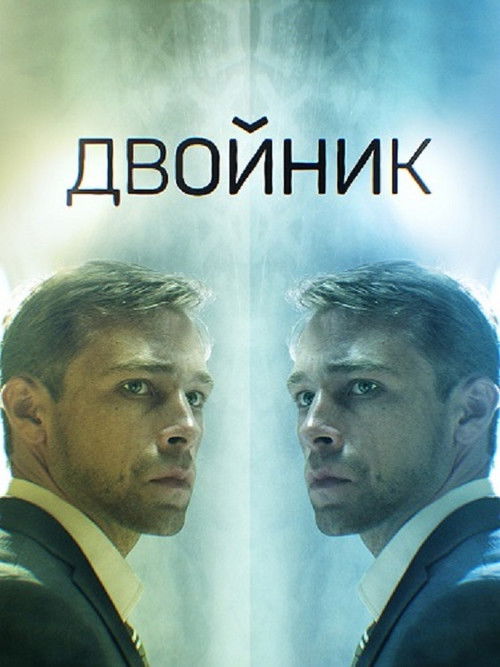

What is the ending?
In the ending of the TV show "Gogol'" produced in 2019, the protagonist, Nikolai Gogol, confronts the dark forces that have been haunting him throughout the series. He faces the ultimate battle against the evil entity, which has been manipulating events and people around him. In a climactic showdown, Gogol manages to defeat the malevolent spirit, but at a great personal cost. The series concludes with Gogol's realization of his own identity and purpose, leaving viewers with a sense of unresolved tension regarding the supernatural elements and the fate of the characters.
As the final episodes unfold, we find ourselves in a dimly lit, eerie setting that reflects the turmoil within Nikolai Gogol. The air is thick with tension as he prepares for the confrontation that has been building throughout the series. Gogol, portrayed with a mix of determination and fear, steps into a shadowy realm where the boundaries between reality and the supernatural blur. The atmosphere is charged with an ominous energy, and the viewer can feel the weight of Gogol's internal struggle as he grapples with his identity as both a writer and a man caught in a web of dark forces.
In the first scene of the climax, Gogol stands alone, surrounded by swirling shadows that seem to whisper his name. He recalls the moments of doubt and fear that have plagued him, the visions of death and despair that have haunted his dreams. His heart races as he confronts the malevolent spirit, a manifestation of the darkness that has been pursuing him. The spirit, a grotesque figure with piercing eyes, taunts Gogol, reminding him of his failures and the lives lost due to his inaction.
As the confrontation escalates, Gogol's emotions shift from fear to resolve. He recalls the people he loves, including his friends and the woman he cares for, and this fuels his determination to fight back. The scene is filled with dramatic visuals: flashes of light and dark, the spirit's menacing laughter echoing in the background, and Gogol's face reflecting a mix of anger and sorrow. He realizes that he must embrace his role as a writer, using his gift to confront the darkness rather than succumb to it.
In a pivotal moment, Gogol channels his creative energy, transforming his fear into a powerful force. He begins to write, the words flowing from him like a torrent, illuminating the darkness around him. The spirit shrieks in rage as Gogol's writing takes form, creating a barrier that pushes back against the evil entity. The struggle is intense, with the environment shifting dramatically--walls crack, shadows writhe, and the air crackles with energy.
As the battle reaches its peak, Gogol's physical and emotional state is pushed to the limit. He feels the weight of his choices, the burden of his past, and the hope for a better future. In a final act of defiance, he confronts the spirit directly, declaring that he will not be a pawn in its game any longer. With a surge of strength, he unleashes the full power of his writing, and the spirit is engulfed in a blinding light, dissipating into nothingness.
In the aftermath, Gogol stands alone in the now-quiet space, breathing heavily as he processes the enormity of what has just occurred. The shadows that once loomed over him have vanished, but the emotional scars remain. He reflects on the journey he has taken, the friends he has lost, and the battles he has fought. The viewer can see the change in him; he is no longer just a man haunted by his fears but a writer who has faced the darkness and emerged stronger.
As the series concludes, we see glimpses of the fates of the other main characters. Gogol's friend, the loyal and brave character who stood by him, is shown recovering from the trauma they endured together, hinting at a new beginning. The woman he loves, who has been a source of strength for him, is seen moving forward with her life, carrying the memories of their shared experiences. The final scenes leave a lingering sense of hope, but also a reminder of the complexities of life and the shadows that can return.
The series ends with Gogol looking out into the distance, a mix of determination and uncertainty on his face. He understands that while he has defeated the immediate threat, the journey of a writer--and a person--is never truly over. The screen fades to black, leaving the audience to ponder the implications of Gogol's choices and the ongoing battle between light and darkness in their own lives.
Is there a post-credit scene?
In the 2019 TV show "Gogol," there is indeed a post-credit scene that adds an intriguing layer to the narrative. After the main credits roll, the screen fades back in to reveal a dimly lit room filled with shadows. The atmosphere is thick with tension, and the sound of a clock ticking echoes in the background, heightening the sense of anticipation.
In this scene, we see a figure hunched over a desk, scribbling furiously in a notebook. The camera slowly zooms in, revealing the familiar face of Nikolai Gogol, the protagonist. His expression is one of deep concentration mixed with a hint of desperation. The pages of the notebook are filled with chaotic sketches and frantic notes, reflecting his inner turmoil and the weight of the supernatural events he has encountered.
As he writes, flashes of previous scenes from the series flicker in his mind--visions of the characters he has met, the mysteries he has unraveled, and the dark forces he has battled. Each flash is accompanied by a surge of emotion, showcasing his fear, determination, and the burden of his gift as a writer who can see beyond the veil of reality.
Suddenly, he pauses, looking up as if sensing an unseen presence in the room. The atmosphere shifts, and a chilling breeze sweeps through, causing the pages to flutter. Gogol's eyes widen with a mix of fear and curiosity, hinting at the unresolved mysteries that still linger in his world.
The scene ends with a close-up of Gogol's face, a mixture of resolve and uncertainty etched across his features. The screen fades to black, leaving viewers with a sense of anticipation for what lies ahead, suggesting that Gogol's journey is far from over and that new challenges await him in the shadows. This post-credit scene effectively encapsulates the show's themes of the supernatural and the struggle of the artist, leaving the audience eager for more.
What motivates Gogol to investigate the murders in the story?
Gogol is driven by a deep sense of curiosity and a desire for truth. As a young and ambitious writer, he feels compelled to uncover the mystery behind the gruesome murders that plague his town. His personal connection to the victims and the fear that the killer may strike again intensifies his determination. Additionally, Gogol grapples with his own identity and the expectations placed upon him, which fuels his need to prove himself through this investigation.
How does the character of Akulina influence Gogol's journey?
Akulina serves as a pivotal figure in Gogol's life, representing both a romantic interest and a source of emotional support. Her unwavering belief in Gogol's abilities encourages him to pursue his investigation despite the dangers. As their relationship develops, Akulina becomes a symbol of hope and inspiration for Gogol, motivating him to confront his fears and insecurities. Her presence also highlights the personal stakes involved in his quest for truth.
What role does the supernatural play in Gogol's investigation?
The supernatural elements in Gogol's investigation add layers of complexity and intrigue to the narrative. Throughout the series, Gogol encounters mysterious occurrences and eerie phenomena that blur the lines between reality and the supernatural. These elements not only heighten the tension but also reflect Gogol's internal struggles with his own beliefs and fears. The supernatural serves as both a catalyst for his actions and a metaphor for the chaos surrounding the murders.
How does Gogol's relationship with his father affect his character development?
Gogol's relationship with his father is fraught with tension and expectations, significantly impacting his character development. His father's traditional views and pressure to conform to societal norms create a rift between them, leading Gogol to question his own identity and purpose. This conflict drives Gogol to seek validation through his investigation, as he attempts to prove himself not only to his father but also to the world. The emotional turmoil stemming from this relationship shapes Gogol's motivations and decisions throughout the series.
What is the significance of the character of the Inspector in the story?
The Inspector serves as a foil to Gogol, representing the established authority and traditional methods of investigation. His skepticism and adherence to protocol contrast sharply with Gogol's intuitive and unconventional approach. This dynamic creates tension between the two characters, as Gogol struggles to gain the Inspector's respect while pursuing his own methods. The Inspector's character also embodies the challenges Gogol faces in navigating the bureaucratic obstacles that hinder his investigation, highlighting the theme of individual versus authority.
Is this family friendly?
The TV show "Gogol" produced in 2019 contains several elements that may not be suitable for children or sensitive viewers. Here are some potentially objectionable aspects:
-
Violence and Gore: The series features scenes of murder and supernatural occurrences that can be graphic and unsettling. The depiction of crime scenes and the aftermath of violent acts may be disturbing.
-
Supernatural Themes: The show delves into dark supernatural elements, including ghosts and otherworldly beings, which may be frightening for younger audiences.
-
Psychological Tension: There are moments of intense psychological drama that explore themes of madness and existential dread, which could be distressing for sensitive viewers.
-
Mature Themes: The narrative includes themes of betrayal, moral ambiguity, and the darker sides of human nature, which may not be appropriate for younger viewers.
-
Language and Dialogue: The dialogue may include strong language or adult themes that could be unsuitable for children.
Overall, while "Gogol" offers a rich narrative and complex characters, its darker elements and mature themes suggest it may be more appropriate for older teens and adults.